Maasai Mara Safari by Road: Everything You Need to Know
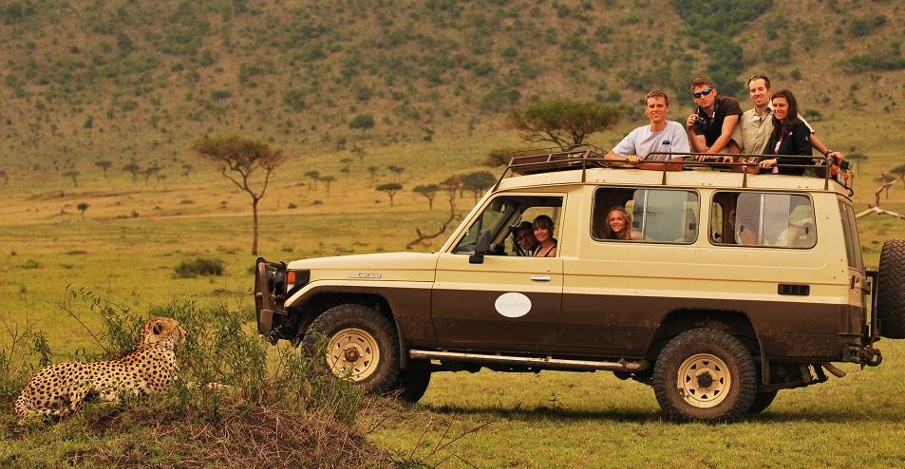
There are few experiences in the world that come close to a Maasai Mara safari adventure. The endless golden savannah, the thundering river crossings of the Great Migration, the sight of a lion pride at dawn — it is the kind of trip that changes people. And while many travellers assume the only comfortable way to get there is by charter flight, the road journey from Nairobi tells its own incredible story. Here at Rent A Driver Kenya, we have been driving visitors to the Maasai Mara for years, and in this complete guide, we share everything you need to plan a smooth, memorable road safari.
How Far Is the Maasai Mara from Nairobi?
The Maasai Mara National Reserve sits approximately 225 to 275 kilometres southwest of Nairobi, depending on which entry gate you are heading to. The most commonly used gate is Sekenani, and on the well-maintained A104–B3 highway route, you can expect the journey to take around 5.5 to 6.5 hours, including a fuel and comfort stop in Narok town.
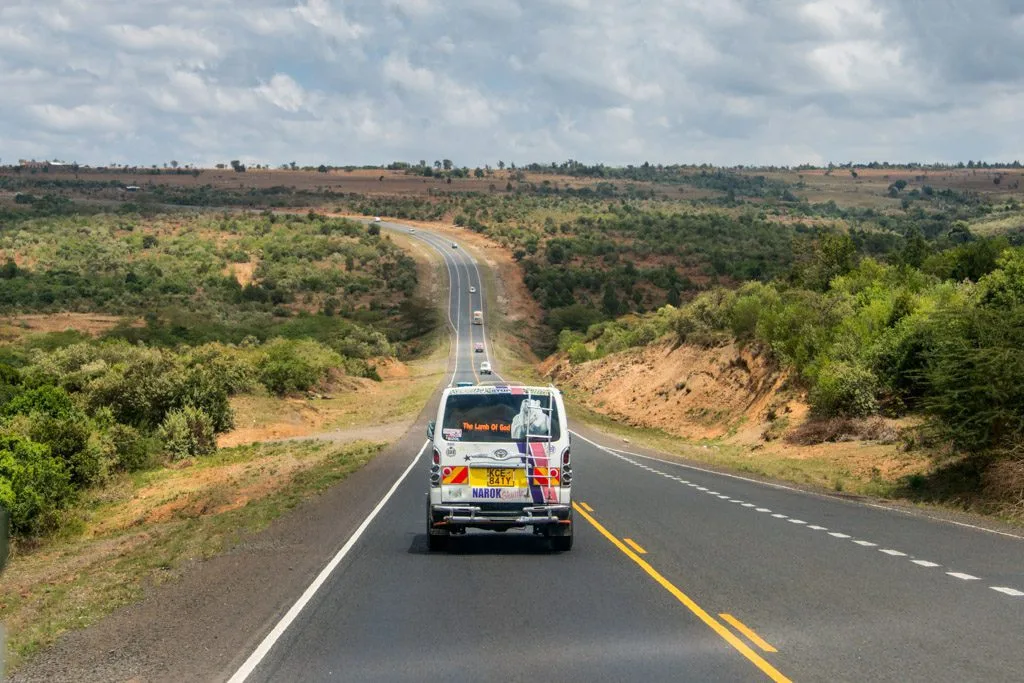
The road from Nairobi to Narok (roughly 140 km) is paved and in good condition. From Narok onwards to the reserve gates, the road becomes more rugged, and this is where having the right vehicle — and the right driver — makes all the difference.
Why Choose the Road Over Flying?
Flying to the Mara from Wilson Airport is faster, no question. But it costs significantly more, it limits your flexibility, and it robs you of one of Kenya’s most scenic drives. The road journey takes you through the Great Rift Valley viewpoint, where you stop to look out over one of the world’s greatest geological formations — a view alone worth the drive.
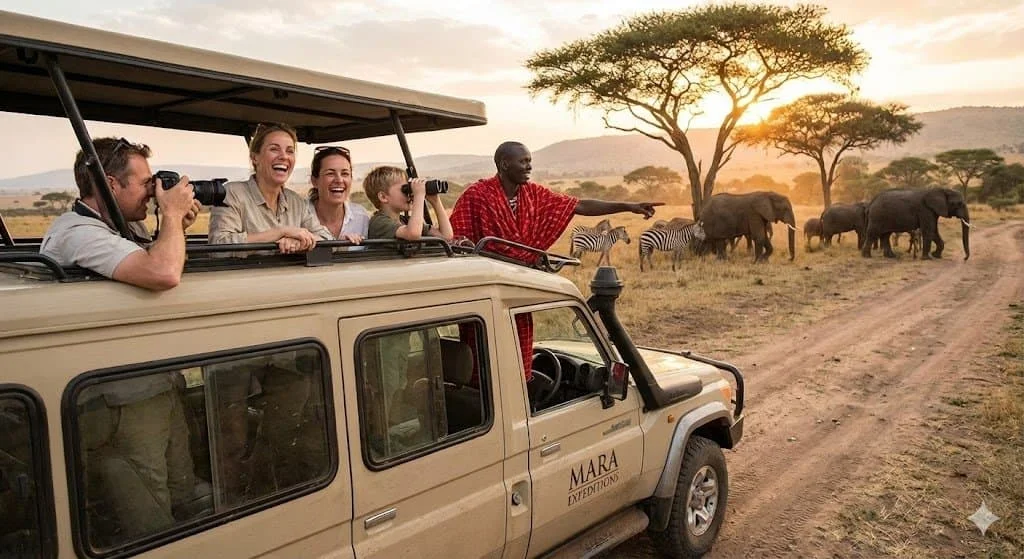
You also pass through the rolling green hills of Limuru, the market town of Narok where local life unfolds in full colour, and the vast open plains that gradually begin to hint at the wildlife you are about to encounter. Many of our clients tell us the drive itself is part of the safari.
Practically speaking, travelling by road with Rent A Driver Kenya also means:
- Door-to-door convenience — we pick you up from your Nairobi hotel or JKIA airport
- No luggage restrictions — pack your full camera gear, camping equipment, or family bags without airline weight limits
- Complete flexibility — stop at the Rift Valley viewpoint, a roadside curio market, or wherever you choose
- Significantly lower cost — charter flights can cost $200–$500+ per person one way; road transfers are a fraction of that
Which Vehicle Do You Need?
This is important. A standard saloon car is fine for the Nairobi–Narok stretch, but once you leave Narok and approach the reserve, the road becomes rough, dusty, and in rainy season, deeply muddy. You need a 4×4 vehicle, full stop.
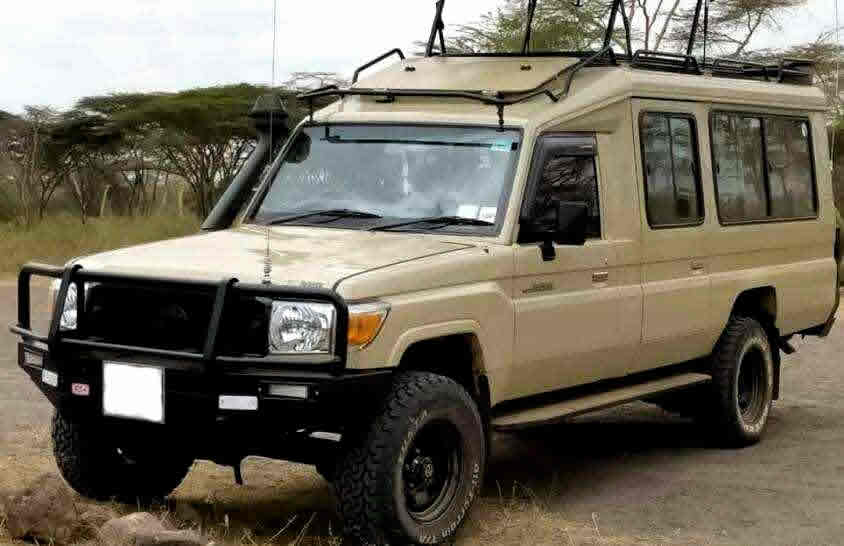
At Rent A Driver Kenya, we recommend the following for a Maasai Mara road safari:
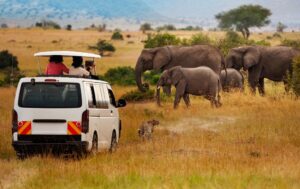
- Safari Land Cruiser — the gold standard. Seats up to 8 people, features a pop-up roof for standing game drives, and handles any terrain the Mara throws at it. Ideal for groups and serious wildlife photographers.
- Safari Van (4×4) — seats up to 9 and also has a pop-up roof. Great for larger families or groups wanting more space.
- Toyota Rav4 — a good budget option for couples or solo travellers on shorter, drier-season trips.
- Land Cruiser Prado TX — a comfortable mid-range option balancing space, performance, and price.
All our vehicles come with a professional driver-guide who knows the Mara roads, the shortcuts, and crucially, which areas the animals are frequenting on any given day.
The Best Time to Visit the Maasai Mara
The Maasai Mara is genuinely worth visiting any month of the year, but the timing of your trip dramatically affects what you see — and what you pay.
Peak Season: July to October This is when the Great Migration arrives in the Mara. Over a million wildebeest, zebra, and gazelle cross from Tanzania’s Serengeti, and the famous Mara River crossings — where crocodiles lie in wait — happen during this period. August is considered the peak of peak season. Park entry fees for non-residents rise to USD 200 per person per day during July to December. Book your accommodation and transport months in advance.
Shoulder Season: January to February This is calving season in the Serengeti, which draws large predator concentrations across the ecosystem. The Mara is drier, less crowded, and skies are clear. Entry fees drop to USD 100 per person per day. An excellent time for wildlife photography and budget-conscious travellers.
Green Season: April to June The long rains bring challenges on some roads but also bring lush landscapes, dramatic skies, near-empty parks, discounted lodges, and exceptional birdwatching. Accommodation rates can drop 30–40%. Our experienced drivers handle wet-season roads confidently with the right 4×4.
Park Entry Fees in 2026
Understanding the fees before you arrive avoids surprises at the gate. For non-resident adults in 2026:
- January to June: USD 100 per person per 12-hour entry (6 AM to 6 PM)
- July to December: USD 200 per person per 12-hour entry
East African residents pay KSh 2,500–5,000, while Kenyan citizens pay KSh 1,500–3,000 depending on season. Children aged 9–17 pay approximately USD 50. Children under 8 enter free.
Note that since a rule change in recent seasons, the standard ticket is valid for 12 hours (6 AM to 6 PM), not 24 hours. If you plan morning and afternoon game drives across two days, you will need two separate tickets per day unless your lodge is inside the reserve. Our team advises all clients on how to structure days efficiently to maximise value.
What to Expect on a Game Drive
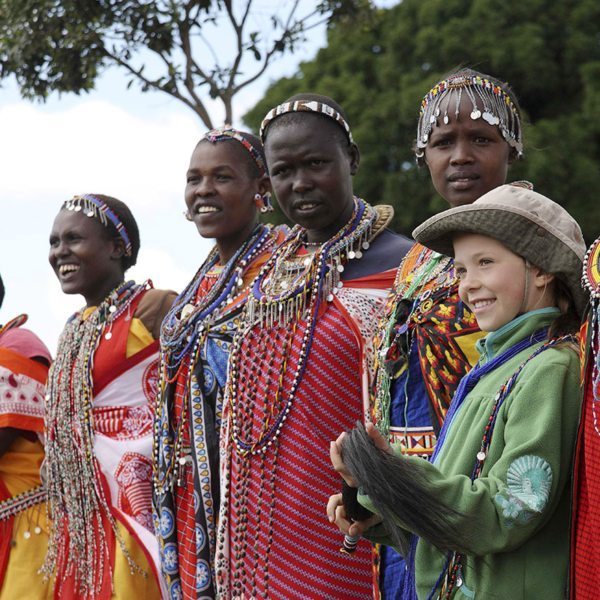
Inside the Mara, our driver-guides do far more than drive. They scan the horizon with trained eyes, communicate with fellow guides on radio to track predator movements, and share deep knowledge of Maasai culture and the ecology of the reserve.
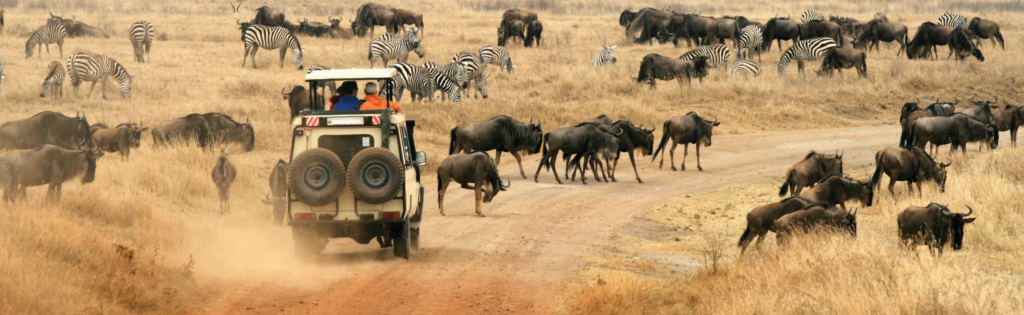
You can expect to encounter:
- The Big Five — lion, leopard, elephant, buffalo, and rhino are all present in the Mara
- Cheetah — the open plains of the Mara are one of the best places in Africa to watch cheetah hunts
- Hippo pods on the Mara River
- Over 450 species of birds, including the spectacular martial eagle and lilac-breasted roller
- During migration season — wildebeest river crossings that no film or photograph fully prepares you for
The most productive game drive times are early morning (6–9 AM) and late afternoon (4–6 PM). Midday is when most animals rest in shade. Plan your days around this rhythm and you will see far more.
Practical Tips Before You Go
Book early for peak season. Lodges inside and around the Mara fill up by February for the July–October migration window. Our team can assist with accommodation recommendations across all budgets.
Pack layers. Early morning game drives at altitude can be surprisingly cold. Bring a warm jacket even in the dry season, and always have sun protection for the midday hours.
Bring a dust cover for your camera. The tracks inside the reserve are unpaved, and dust is constant — especially in dry season when many vehicles are moving.
Carry some cash in Kenyan Shillings. Narok is your last reliable stop before the reserve for ATMs, fuel, and supplies.
Respect the rules. No off-road driving, no standing in open vehicles outside designated areas, and no feeding animals. Our driver-guides enforce these standards both for your safety and for the health of the ecosystem.
How to Book a Maasai Mara Safari with Rent A Driver Kenya
Planning a Mara road safari is simpler than most people expect. Contact us with your travel dates, group size, preferred vehicle, and any accommodation questions. We handle the logistics — vehicle, driver, routing, and advice — so you can focus entirely on the experience ahead.
Our team is reachable by email at info@rentadriverkenya.com or by phone at +254-700135510. We respond fast, quote clearly, and have spent years earning the trust of travellers who return to us every time they visit Kenya.
The Maasai Mara is waiting. The road is the way to get there. Let us drive you.
Rent A Driver Kenya — Professional Driver & Car Hire Services in Nairobi and across Kenya. Operating under Mumwe Safaris.