If Rwanda is the surprise of East Africa, Kenya is its legend. Few countries on earth carry so much weight in the imagination of travellers. The name alone conjures images immediately and indelibly: vast golden plains, elephants silhouetted against Kilimanjaro, Maasai warriors, the thundering Mara River crossing, dhow-sailed coastlines, and the smell of the first rains on red dust. Kenya is where the modern safari was born, and it remains, for many, the definitive African travel experience. Yet it is far more than its famous parks — a country of 47 million people, remarkable cultural diversity, dramatic landscapes from tropical coast to equatorial glaciers, and a tourism infrastructure that ranges from rustic bush camps to some of the most celebrated luxury lodges on the planet.
Tourism: The Safari Capital of the World
The Maasai Mara — The Greatest Show on Earth
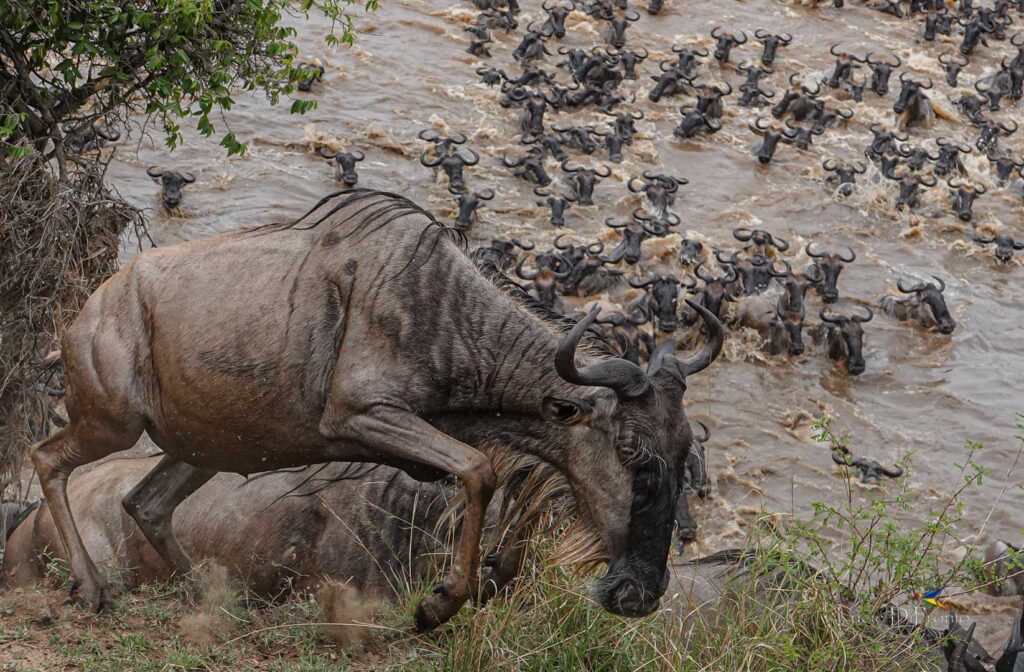
Kenya’s most celebrated wildlife destination needs little introduction. The Maasai Mara National Reserve in the southwest, contiguous with Tanzania’s Serengeti, is the stage for the Great Migration — the annual movement of over 1.5 million wildebeest and hundreds of thousands of zebra and gazelle in a vast circuit across the ecosystem in search of fresh grass.
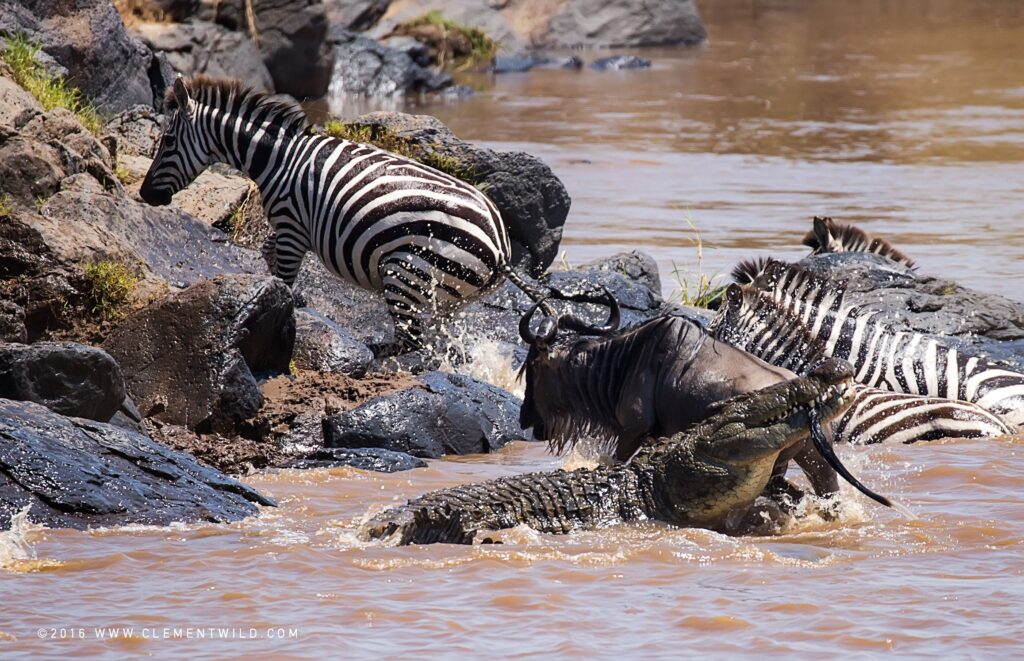
The Mara River crossing, when columns of wildebeest hurl themselves into crocodile-filled water in their desperate passage from one side to the other, is one of the most dramatic wildlife spectacles on earth. It typically occurs between July and October, and the Mara in those months attracts wildlife photographers and safari-goers from every corner of the world. But the Mara is exceptional year-round — its resident populations of lion, leopard, cheetah, elephant, buffalo, hippo, and an extraordinary diversity of birds ensure that no visit disappoints.
The reserve is also the ancestral homeland of the Maasai people, and cultural visits to Maasai villages offer a window into one of Africa’s most iconic and resilient communities, who have maintained their pastoral way of life alongside the wildlife with remarkable continuity.
Amboseli National Park — Elephants and a Giant Backdrop
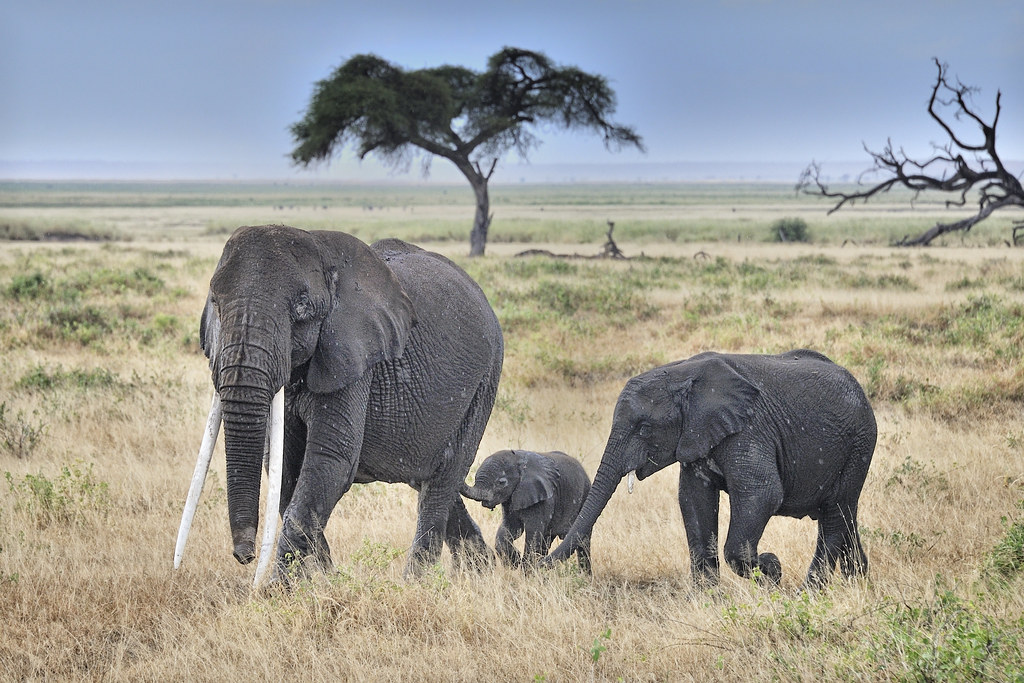
On Kenya’s southern border with Tanzania, Amboseli National Park delivers what may be the single most iconic wildlife image in Africa: large-tusked elephants moving across open ground with the snow-capped summit of Mount Kilimanjaro — on the Tanzanian side of the border — rising massively behind them on a clear morning.
Amboseli is home to some of Africa’s most studied elephant families, and the park’s relatively open landscape means game viewing is superb — lions, cheetahs, buffaloes, zebras, and wildebeest are all regularly seen. The Amboseli ecosystem also supports over 400 bird species and is a vital research site for elephant behaviour.
Mount Kenya — Roof of the Nation
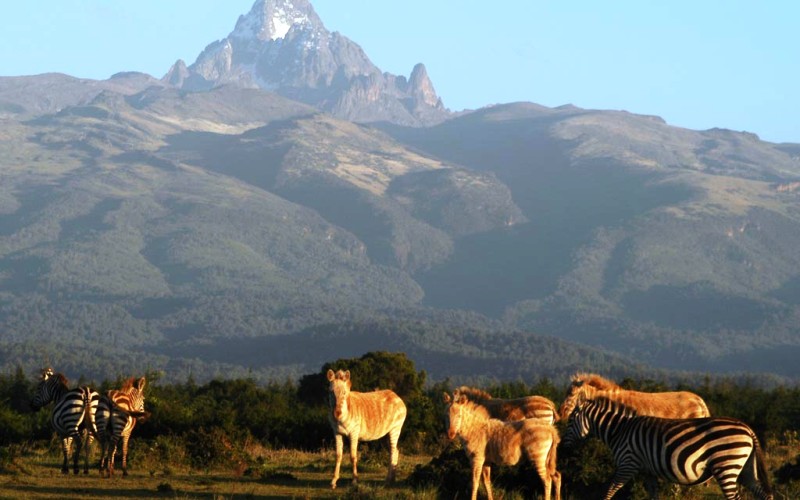
Rising to 5,199 metres at its highest point (Batian Peak), Mount Kenya is Africa’s second-tallest mountain and one of its most spectacular. A UNESCO World Heritage Site, the mountain is an extinct volcano whose jagged peaks, permanent glaciers, and unique Afro-alpine vegetation zones draw both serious mountaineers and more casual trekkers.
The most popular trekking route leads to Point Lenana at 4,985 metres — a non-technical but demanding ascent that rewards with views across a landscape spanning equatorial forest, moorland, and the surreal high-altitude zone of giant lobelias and senecios. The mountain is also the source of several of Kenya’s major rivers and the water supply for millions of people, making it a site of ecological as well as aesthetic significance.
The Kenyan Coast — Swahili Splendour
Kenya’s Indian Ocean coastline is one of East Africa’s great pleasures — a 480-kilometre sweep of white sand beaches, coral reefs, mangrove estuaries, and ancient Swahili port towns whose architecture and culture reflect a thousand years of trade with Arabia, Persia, and India.
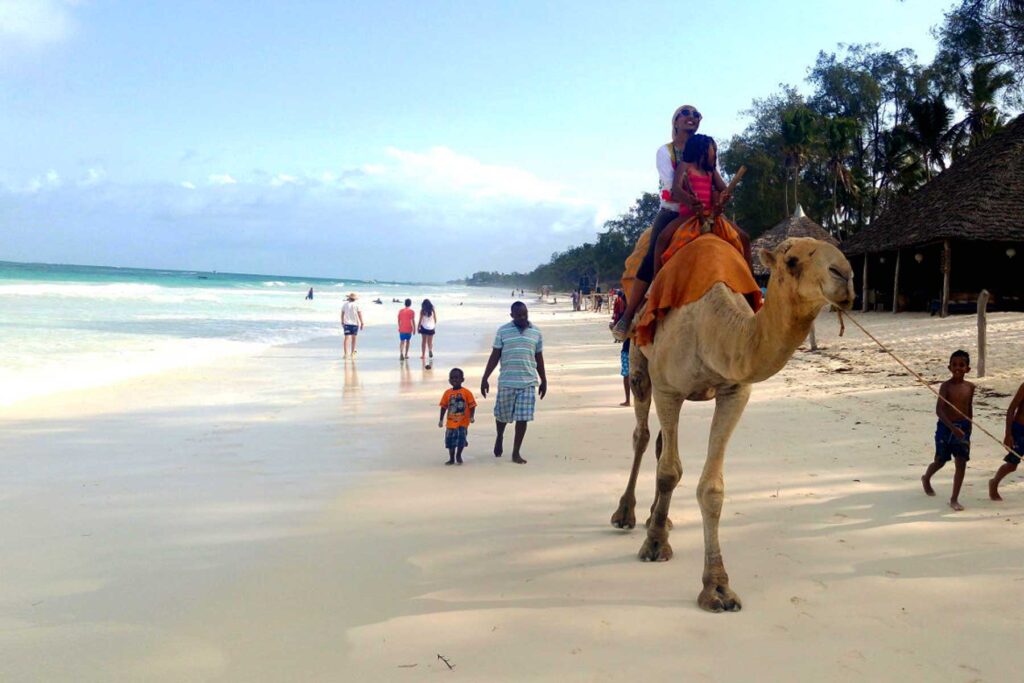
Diani Beach, south of Mombasa, is Kenya’s premier beach destination — a seemingly endless stretch of powdery white sand backed by palm trees and the Indian Ocean’s warm, turquoise waters. Watersports, snorkelling, diving on the offshore reefs, and sunset dhow cruises are the main activities, and the beach is lined with accommodation ranging from backpacker hostels to high-end boutique resorts.
Further north, the island town of Lamu is Kenya’s most atmospheric destination and one of the best-preserved Swahili settlements in the world. Its narrow coral-stone lanes, ornately carved wooden doors, and complete absence of motor vehicles give it the quality of a living museum. The annual Lamu Cultural Festival, held in November, draws visitors for traditional dhow races, Swahili poetry, and donkey racing — a celebration of Lamu’s distinctive heritage that is entirely unlike anything else in East Africa.
The ruins of Gedi, near Watamu on the north coast, are the remains of a thirteenth-century Swahili city abandoned under mysterious circumstances and now half-swallowed by forest — a hauntingly beautiful site.
Samburu, Laikipia, and the Wild North
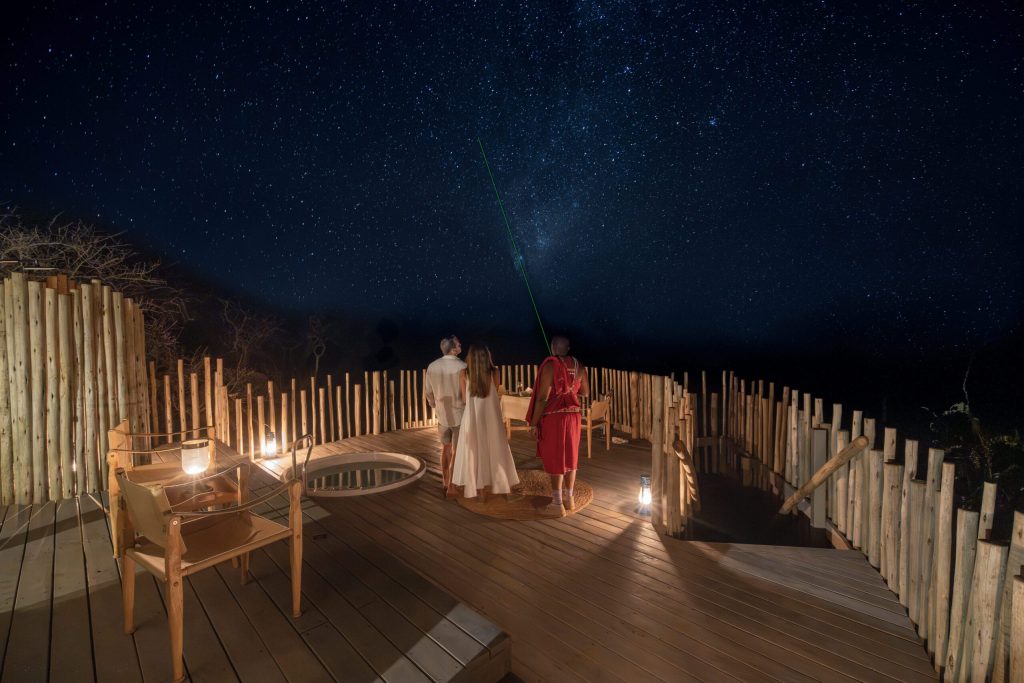
North of Mount Kenya, the tourist trail thins out and the landscapes become drier, wilder, and in many ways more compelling. Samburu National Reserve protects semi-arid savannah along the Ewaso Ng’iro River and is famous for its “Samburu Special Five” — species found here but not in the south: the Grevy’s zebra, reticulated giraffe, Somali ostrich, gerenuk, and Beisa oryx.
The Laikipia Plateau to the south of Samburu is Kenya’s fastest-growing conservation area and one of Africa’s most innovative wildlife regions, where community and private conservancies have created a patchwork of protected land that now supports one of the largest populations of black rhino outside a national park, as well as wild dogs, cheetahs, and the full range of East African megafauna.
Amboseli to the Rift Valley — Lakes and Flamingos
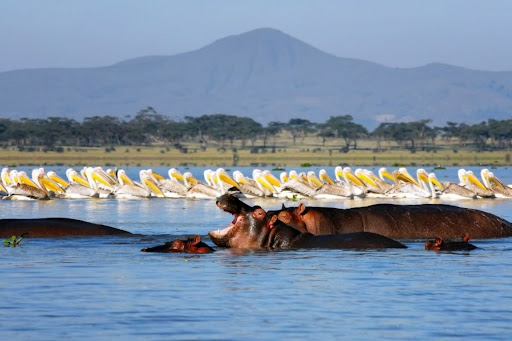
The Great Rift Valley cuts dramatically through Kenya from north to south, its escarpment walls rising hundreds of metres above a chain of soda lakes that are among the most extraordinary spectacles in nature. Lake Nakuru is famous for its flamingos — at peak times, hundreds of thousands of lesser and greater flamingos ring the lake’s shores in a shimmering pink halo. Lake Naivasha, freshwater and set amid green hills, is home to hippos, over 400 bird species, and a thriving flower industry. Lake Bogoria and Lake Baringo to the north offer superb birdwatching and, at Bogoria, geysers and hot springs that add a geothermal drama to the scene.
Nairobi — The Safari City
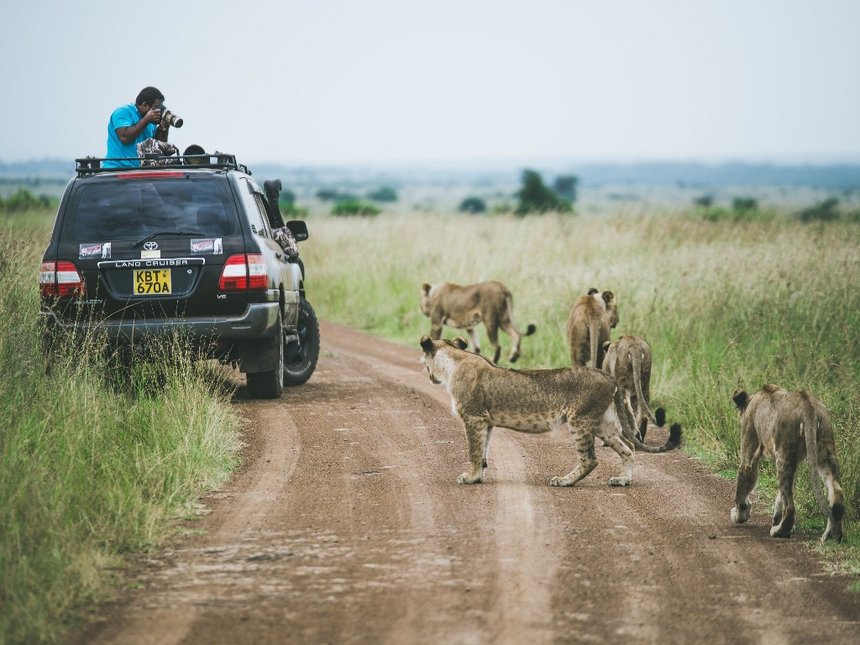
Kenya’s capital is a city of genuine contrasts — sprawling, energetic, chaotic in places, and full of surprises. Nairobi National Park sits on the city’s southern edge, offering the remarkable spectacle of lions and rhinos with the downtown skyline behind them. The David Sheldrick Elephant Orphanage and the Giraffe Centre are beloved institutions where rescued animals are cared for and visitors can interact with them at close range.
The Karen Blixen Museum, set in the house that provided the setting for Out of Africa, is a beautifully preserved colonial homestead that captures a particular chapter of Kenya’s complex history. The city’s restaurant and nightlife scene, centred on the Westlands, Kilimani, and Karen neighbourhoods, is among the most cosmopolitan in sub-Saharan Africa.
Practical Information
Kenya’s dry seasons — January to March and June to October — are generally the best times to visit, with the latter period coinciding with the Mara Migration. Jomo Kenyatta International Airport in Nairobi is one of Africa’s busiest hubs, with connections across Europe, Asia, and the Middle East. The Kenyan Shilling is the currency, English and Swahili are both official languages, and visas are available through Kenya’s eTA (Electronic Travel Authorisation) system. Travel infrastructure is extensive, with domestic flight networks connecting all major parks and coastal destinations.
Planning to visit Kenya and would love to rent a private car and driver for safari, business or family vacation- simply contact us now by sending an email to info@rentadriverkenya.com or call us now on +256-700135510.