Amboseli National Park Safari Guide: What to Expect
#image_title
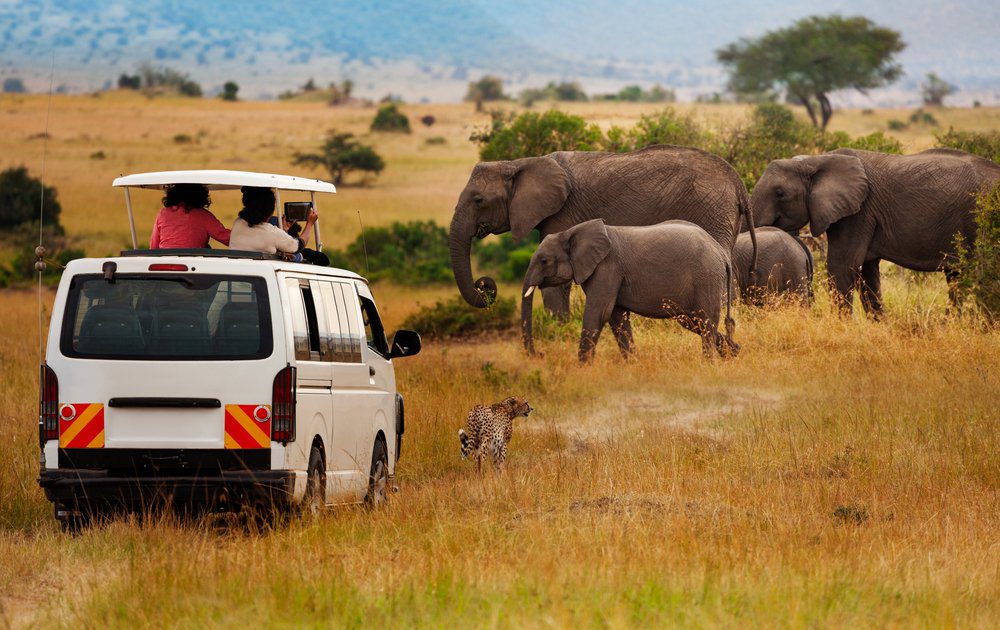
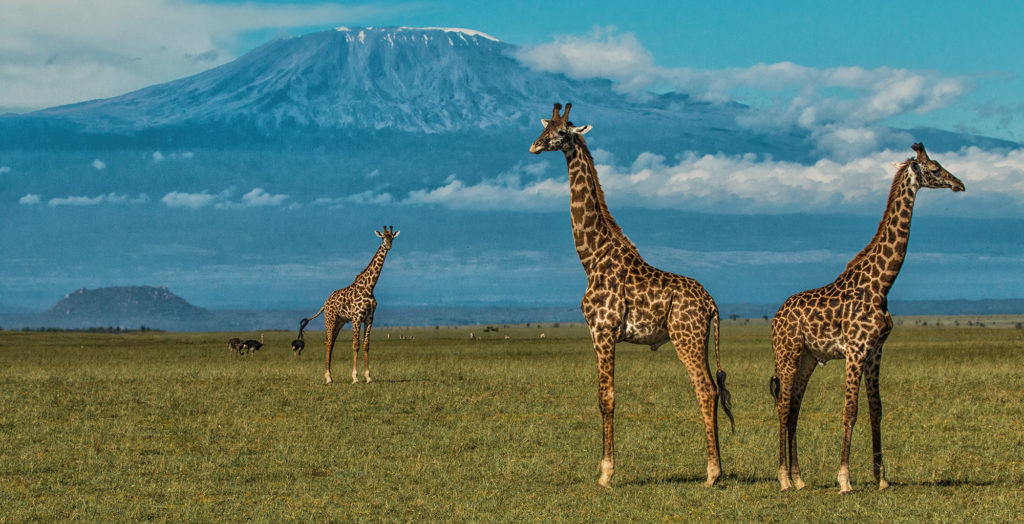
There’s one image that draws more travelers to Kenya than almost any other: a herd of elephants moving across golden grassland with the snow-capped peak of Mount Kilimanjaro rising behind them. That image belongs to Amboseli National Park, and it’s every bit as breathtaking in person as it looks in photographs. If you’re planning a Kenya safari and wondering whether Amboseli deserves a spot on your itinerary, here’s everything you need to know before you go.
A Quick Introduction to Amboseli
Established in 1974 and recognized as a UNESCO Biosphere Reserve, Amboseli National Park covers around 392 square kilometers in Kajiado County, close to the Tanzania border in southern Kenya. Despite being one of Kenya’s smaller parks, it’s one of the most visited, ranking just behind the Maasai Mara in popularity.
The name “Amboseli” comes from the Maasai word for “salty dust,” a fitting description of the dry, cracked lake bed that dominates parts of the landscape during drier months. But don’t let the name fool you — beneath that dusty surface, Amboseli is sustained by an extraordinary underground water system. Rain and melting snow from Kilimanjaro filter through volcanic rock and resurface as permanent springs and swamps within the park, keeping wildlife concentrated here even during the harshest droughts.
The Wildlife You’ll See
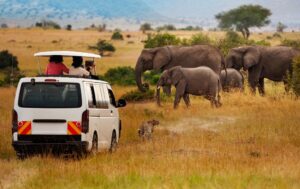
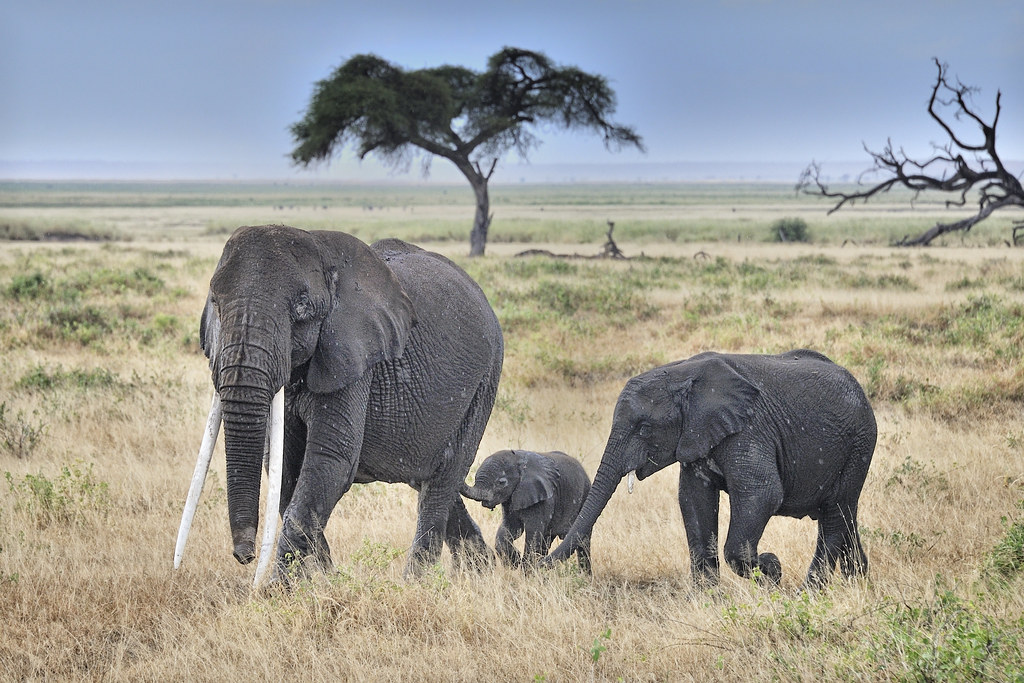
Amboseli is best known as Kenya’s premier elephant destination. The park is home to over 1,000 free-ranging African elephants, including some of the last remaining “Super Tuskers” — bulls with tusks so large they nearly touch the ground. Many of these elephants have been studied continuously since 1972 through the Amboseli Elephant Research Project, making this one of the most closely observed elephant populations on Earth.
Beyond elephants, you can expect to see:
- Big cats — lions and cheetahs are regularly spotted moving across the open plains
- Buffalo, zebra, giraffe, and wildebeest grazing near the swamp edges
- Over 400 bird species, particularly around Enkongo Narok and Ol Okenya swamps
- Hippos and waterbirds in the permanent wetlands
The park’s flat, open terrain makes for excellent visibility — there’s little vegetation to obstruct your view, so game drives here tend to deliver reliably good sightings even for first-time safari-goers.
Getting There From Nairobi
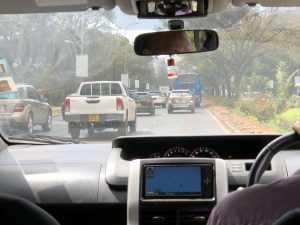
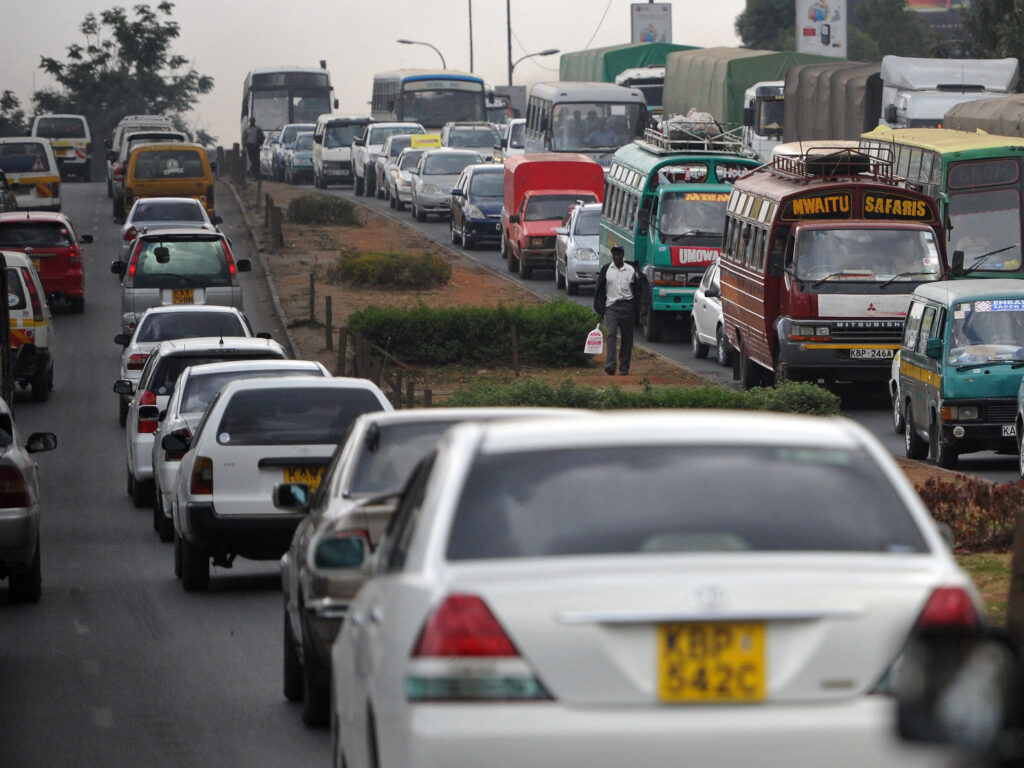
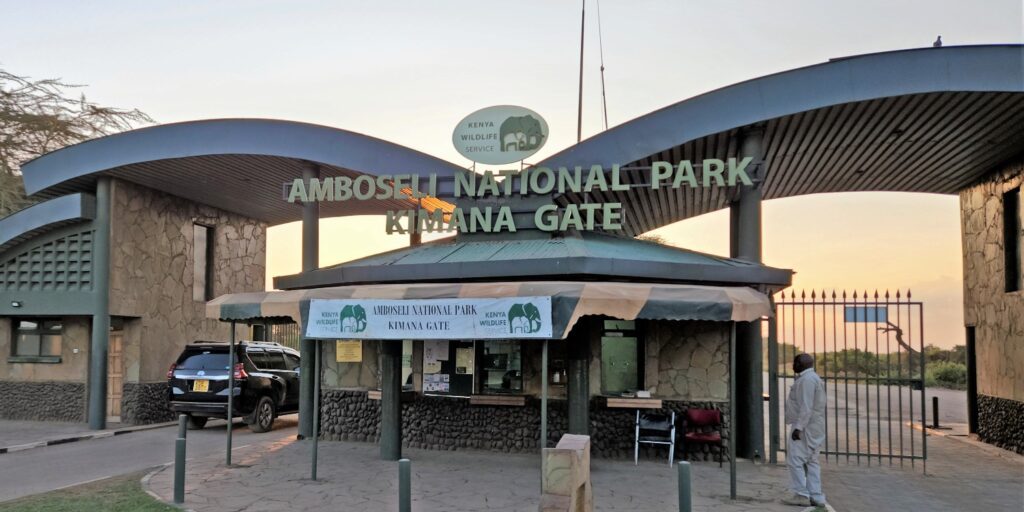
Amboseli sits roughly 220–240 km southeast of Nairobi, and the drive typically takes between four and five hours by road. The most common route follows the Nairobi–Mombasa highway to Emali before turning west toward the park, passing through gates such as Meshanani, Kimana, or Iremito. The road is tarmacked as far as Emali, after which the final stretch becomes gravel — manageable in the dry season, but a 4×4 is strongly recommended, especially if you’re traveling during the rains.
For travelers short on time, scheduled flights connect Nairobi’s Wilson Airport to Amboseli’s airstrip in around 40–45 minutes, though this comes at a higher cost than a road transfer.
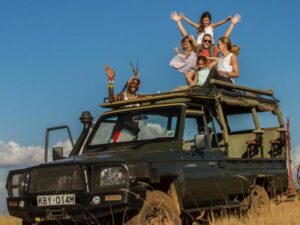
If you’d rather skip the logistics altogether, Rent A Driver Kenya can arrange the entire Amboseli trip for you — a well-maintained 4×4, an experienced driver-guide who knows the route and the park, and a comfortable ride door-to-door from Nairobi, whether you’re going for a single day or a multi-park circuit.
When to Visit
Amboseli is a year-round destination, but timing affects both the wildlife viewing and your chances of a clear Kilimanjaro view.
- Dry season (June–October and January–March): The best time for wildlife viewing, as animals concentrate around the park’s permanent swamps. Mornings tend to have the clearest skies for photographing Kilimanjaro before clouds build up later in the day.
- Green season (April–May and November): Fewer crowds, lush scenery, and lower rates at many lodges — a good option for travelers prioritizing value and quieter game drives over guaranteed mountain views.
If a clear shot of Kilimanjaro is high on your list, plan your game drive for early morning, ideally departing camp around 6 a.m., before clouds typically roll in around mid-morning.
Park Entry Fees
Kenya Wildlife Service (KWS) entry fees for Amboseli vary by residency status and are billed per person, per 24-hour period. As of 2026, non-resident adult fees generally fall in the range of roughly $80–100 per day, with reduced rates for children, Kenyan citizens, and East African Community residents. Fees are subject to periodic revision, so it’s worth confirming current rates before you travel — something your driver-guide or tour operator can handle for you as part of your booking.
Payment at Amboseli is fully cashless, processed through the KWS eCitizen platform via M-Pesa, Visa, Mastercard, or bank transfer.
What to Do Inside the Park
- Game drives — Morning and late-afternoon drives offer the best light and the most active wildlife, particularly around the swamp edges.
- Observation Hill — One of the few spots where visitors can safely leave their vehicle, offering panoramic views over the swamps, plains, and Kilimanjaro on a clear day.
- Maasai cultural visits — Amboseli sits within Maasai land, and many camps arrange visits to a local boma (village), where you can learn about traditional cattle-herding culture, beadwork, and how local communities coexist with the park’s wildlife.
- Sundowners — Many lodges arrange evening drinks out on the plains as the sun sets behind Kilimanjaro, a fitting way to close out a day of game viewing.
- Stargazing — With minimal light pollution and an elevation of around 1,150 to 1,180 meters, Amboseli’s night skies are exceptional once the sun goes down.
Where to Stay
Accommodation options range widely depending on your budget and travel style:
- Lodges inside the park offer the convenience of being close to wildlife for early-morning and late-evening drives, along with reliable comfort and mountain views — a solid choice for first-time visitors and families.
- Tented camps on neighboring conservancies provide a more exclusive experience, with fewer vehicles on shared game drives and closer contact with Maasai communities.
- Budget and mid-range camps just outside the main gates offer a more affordable base while still keeping you within easy reach of the park each morning.
Practical Tips for Your Amboseli Safari
- Bring a 4×4. The final stretch of road into the park is unpaved and can be rough, particularly after rain.
- Pack for dust. Amboseli’s dry lake bed lives up to its name — expect fine dust on vehicles, camera gear, and clothing.
- Stay in the vehicle. Aside from designated spots like Observation Hill and lodge grounds, KWS rules require visitors to remain inside their vehicle for safety.
- Bring layers. Mornings and evenings can be cool, even though daytime temperatures on the plains run warm.
- Book early for peak season. July through October and the new year period draw the highest visitor numbers, so lodges and camps fill up quickly.
- Consider a multi-park itinerary. Amboseli combines well with the Maasai Mara or Tsavo West for travelers with more time, and a private driver makes the logistics of a multi-park route far easier to manage.
Plan Your Amboseli Safari With Rent A Driver Kenya
An Amboseli safari rewards travelers who take their time — early starts, patient game drives, and a guide who knows exactly where to position your vehicle for that classic elephants-and-Kilimanjaro shot. At Rent A Driver Kenya, we handle every part of that experience, from a comfortable 4×4 and an experienced local driver-guide to help with park fees, route planning, and accommodation recommendations that suit your budget.
Whether you’re adding Amboseli to a longer Kenya safari or booking it as a standalone trip from Nairobi, get in touch and we’ll help you plan a safe, well-timed, and unforgettable visit.
Email: info@rentadriverkenya.com Phone: +256-700135510