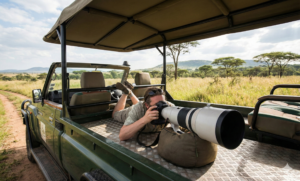
The Rise of MICE Tourism In Kenya
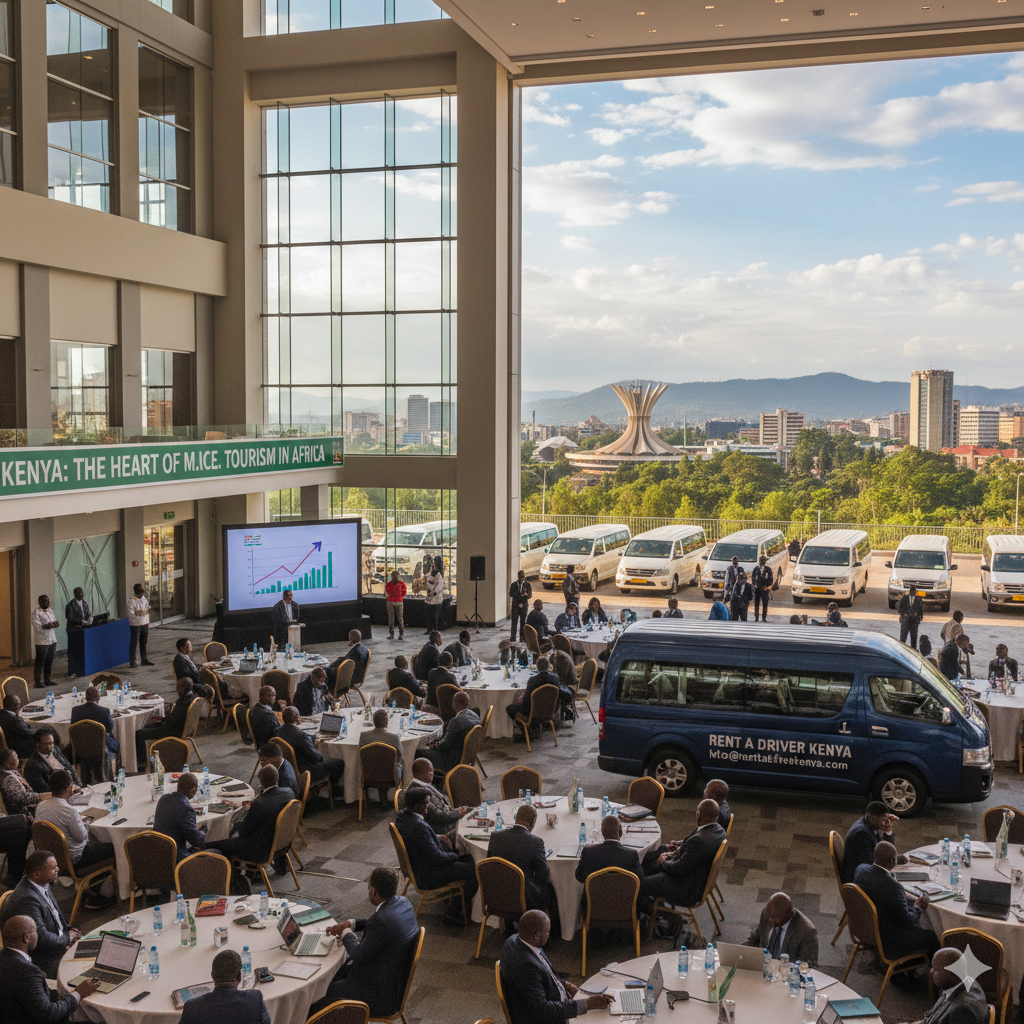
While wildlife safaris and pristine beaches have long defined Kenya’s tourism narrative, a quieter revolution is reshaping the sector’s economic landscape. Meetings, Incentives, Conferences, and Exhibitions—collectively known as MICE tourism—has emerged as one of Kenya’s fastest-growing tourism segments, transforming Nairobi into East Africa’s premier business events destination and challenging the conventional wisdom about what drives tourism prosperity.
The numbers tell a compelling story. In 2024, MICE tourism in Kenya accounted for 27% of the country’s total international arrivals, bringing 643,595 visitors to the country—a 12.5% increase from the 599,114 MICE travelers recorded in 2023. These aren’t typical tourists. They stay longer, spend more, and generate economic activity that ripples through multiple sectors beyond traditional hospitality.
The Economic Calculus: Why MICE Matters
MICE tourists represent a fundamentally different economic proposition than leisure travelers. Where a safari visitor might stay seven days at a lodge, a conference delegate extends their visit, books urban hotels, dines at city restaurants, contracts local transportation, and often brings colleagues who explore the country before or after business obligations.
Kenya Tourism Board CEO June Chepkemei emphasized this multiplier effect when reviewing 2024’s performance. The sector contributed significantly to Kenya’s record-breaking tourism earnings of KES 452.2 billion—a 19.79% increase from the previous year. But beyond raw revenue, MICE tourism provides something equally valuable: year-round stability.
Unlike beach holidays concentrated in specific seasons or safari circuits dependent on wildlife migration patterns, business events occur throughout the calendar. A February medical conference fills hotels during traditional low season. An August technology summit brings international visitors when domestic tourism might otherwise dominate. This consistency allows hospitality businesses to maintain staff, plan investments, and achieve sustainable growth rather than managing boom-and-bust cycles.
Infrastructure: The Foundation of Success
At the heart of Kenya’s MICE ascendancy stands the iconic Kenyatta International Convention Centre, the 32-story landmark that has become synonymous with the sector’s ambitions. Established under the Tourism Act of 2011, KICC is more than a venue—it’s a statement of intent.
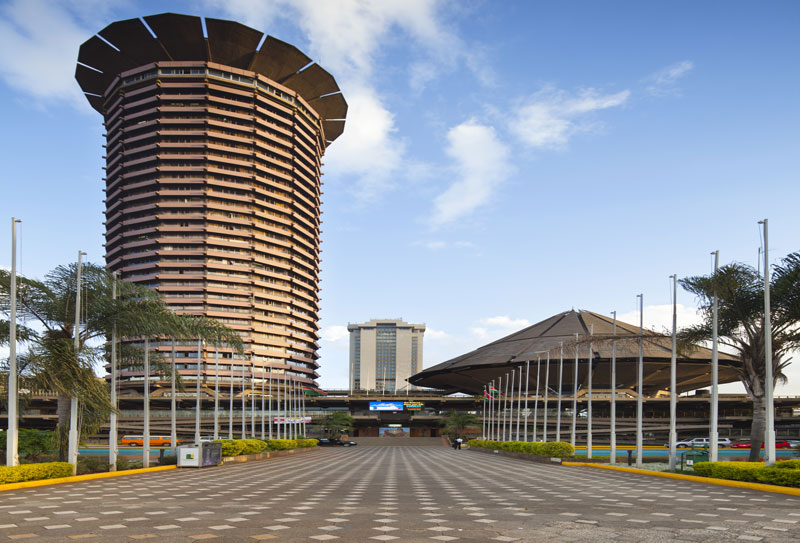
The facility boasts the largest convention space in East Africa, with the Tsavo Ballroom alone accommodating over 4,000 delegates. Eight meeting halls equipped with simultaneous interpretation equipment supporting seven languages, a modern business center, and state-of-the-art audio-visual technology position KICC to compete with premier convention centers globally.
Recent renovations have modernized the facility while preserving its distinctive architecture—the cylindrical tower, cuboid structures, and conical amphitheater reflecting traditional African design principles. The 800-seat amphitheater, with its three surrounding balconies and soundproof construction, serves medium-sized events, while smaller caucus rooms facilitate breakout sessions and intimate gatherings.
Beyond KICC, Kenya’s MICE infrastructure continues expanding. The coast region, traditionally dominated by beach resorts, has invested heavily in conference facilities. Data shows that conferences and events now drive significant bed-night occupancy at coastal properties, diversifying the region’s tourism portfolio and reducing vulnerability to seasonal demand fluctuations.
The Competitive Regional Landscape
Kenya’s MICE sector operates within a fiercely competitive African marketplace. According to the International Congress and Convention Association’s 2018 report, Africa hosted just 434 meetings compared to 12,951 globally—a mere 3.4% market share. Kenya captured 31 of those meetings, representing 0.2% of the global MICE market despite hosting approximately 13,102 meetings annually when domestic and corporate events are included.
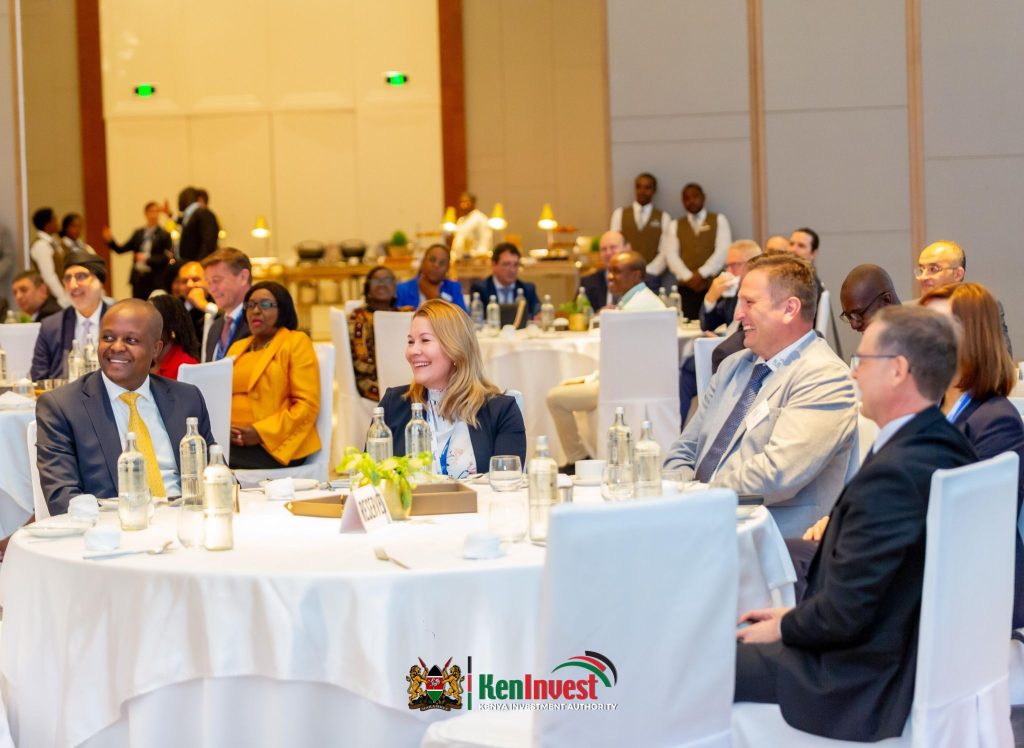
South Africa, Morocco, and Egypt currently lead the continent in international meetings, but Kenya is positioning itself as the preferred East African hub. Its advantages include political stability, world-class telecommunications infrastructure, an educated English-speaking workforce, and strategic location making it accessible from Europe, Asia, and the Americas.
The East African Community’s integration also works in Kenya’s favor. Improved regional connectivity means delegates from Tanzania, Uganda, Rwanda, and beyond can reach Nairobi quickly and affordably, creating a regional MICE market that transcends national boundaries.
The Corporate and Government Partnership Model
Kenya’s MICE success reflects coordinated public-private sector collaboration. The government provides infrastructure and policy support—upgrading airports, streamlining visa processes, and marketing Kenya internationally as a business destination. Private sector players deliver world-class hotels, professional event management services, and specialized MICE products that combine business with leisure.
This partnership extends to event bidding. When international organizations evaluate potential conference hosts, they assess not just facilities but government support, local expertise, and the broader destination appeal. Kenya increasingly wins these bids by offering comprehensive packages: state-of-the-art venues, nearby five-star accommodations, optional safari extensions, and a government committed to facilitating seamless events.
Beyond Nairobi: Diversifying MICE Geography
While Nairobi dominates Kenya’s MICE landscape, strategic efforts are underway to distribute business events more broadly. Mombasa’s improved conference infrastructure allows coastal venues to host regional summits and corporate retreats. Kisumu, on Lake Victoria’s shores, markets itself for smaller conferences combining business with freshwater tourism. Even Nakuru and Eldoret are developing MICE capacity, recognizing that not every event requires capital city scale.
This geographic diversification serves multiple objectives. It develops regional economies, reduces pressure on Nairobi’s infrastructure, and offers event planners diverse settings—from urban sophistication to lakeside tranquility to highland retreats.
The Types of Events Driving Growth
Kenya’s MICE portfolio spans remarkable diversity. International conferences on health, technology, finance, and development regularly choose Nairobi. The African Growth and Opportunity Act summits, UN-affiliated conferences, and Pan-African gatherings leverage Kenya’s neutral ground status and logistical capabilities.
Corporate incentive travel represents another major segment. Companies reward top performers with Kenyan trips combining business meetings with safari experiences—the classic MICE-leisure hybrid that generates premium spending.
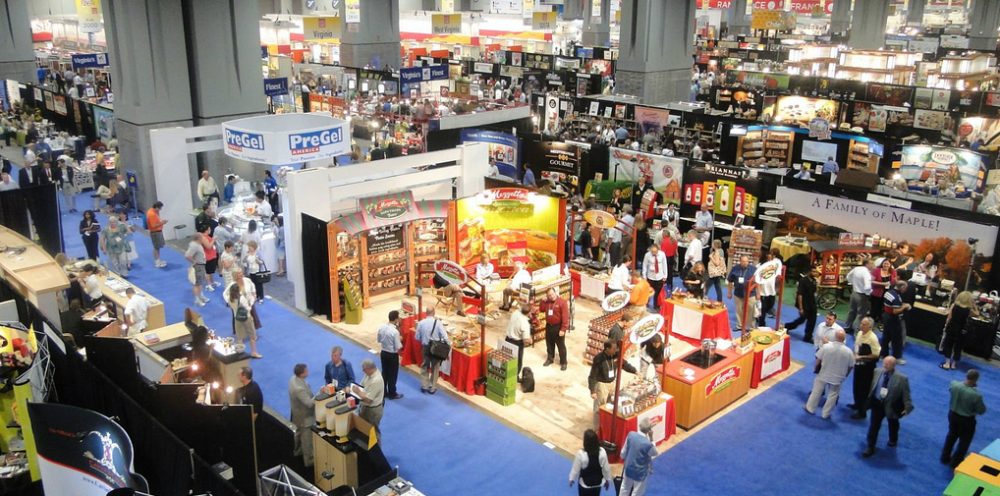
Trade exhibitions and industry expos attract specialized audiences. From technology showcases to agricultural fairs, these events bring decision-makers who make substantial purchases and establish business relationships extending beyond the immediate event.
Challenges and the Path Forward
Despite impressive growth, Kenya’s MICE sector faces challenges. Hotel occupancy rates reached only 28.9% in 2024, suggesting substantial unused capacity that more events could fill. Infrastructure gaps persist, particularly in secondary cities where conference facilities, international-standard accommodations, and reliable connectivity remain inadequate.
Competition intensifies as neighboring countries invest in their own MICE infrastructure. Rwanda’s Kigali Convention Centre and Tanzania’s Julius Nyerere International Convention Centre represent direct challenges to Kenya’s regional dominance. Maintaining the competitive edge requires continuous infrastructure investment, service quality improvement, and innovative marketing.
The sector must also navigate the tension between growth and sustainability. Large conferences strain resources, generate waste, and can overwhelm local communities. Developing sustainable MICE practices—carbon-neutral events, local sourcing, community benefit programs—will distinguish Kenya as a responsible destination.
The Vision Ahead
Kenya Tourism and Wildlife Cabinet Secretary Rebecca Miano projects optimism, forecasting Kenya will welcome 3 million visitors by 2025, potentially generating KES 560 billion in earnings. MICE tourism will drive significant portions of that growth.
The sector’s maturation requires more than facility expansion. It demands specialized workforce training in event management, protocol, and international service standards. It requires digital infrastructure supporting virtual and hybrid events—the post-pandemic norm. Most critically, it needs integration with Kenya’s broader tourism offerings, ensuring business visitors become leisure ambassadors who return with families and recommend Kenya to colleagues.
Conclusion: A Transformed Tourism Equation
The rise of MICE tourism in Kenya represents more than sector diversification—it signals Kenya’s evolution from a destination people visit to see wildlife and beaches to a destination people visit to do business, share knowledge, and shape industries. When a delegate attends a Nairobi conference, experiences seamless logistics and world-class facilities, then extends their stay to visit Maasai Mara, Kenya captures both the business traveler and the safari tourist—doubling the economic benefit.
As the iconic KICC tower rises above Nairobi’s skyline, it symbolizes this transformation: a nation that has leveraged its natural assets while building the infrastructure, expertise, and reputation to compete in the sophisticated global MICE marketplace. The revolution is no longer quiet—Kenya’s MICE ascendancy is reshaping East African tourism and establishing new paradigms for what tourism prosperity can mean.
Planning to visit Kenya and require a rental car plus driver for the road trip, we at Rent A Driver Kenya will be more than delighted to offer you our services. Simply contact us now by sending an email to info@rentadriverkenya.com or call us now on +256-700135510 to speak with reservations.