Kenya Anchors Jamhuri Week Celebrations on Domestic Tourism
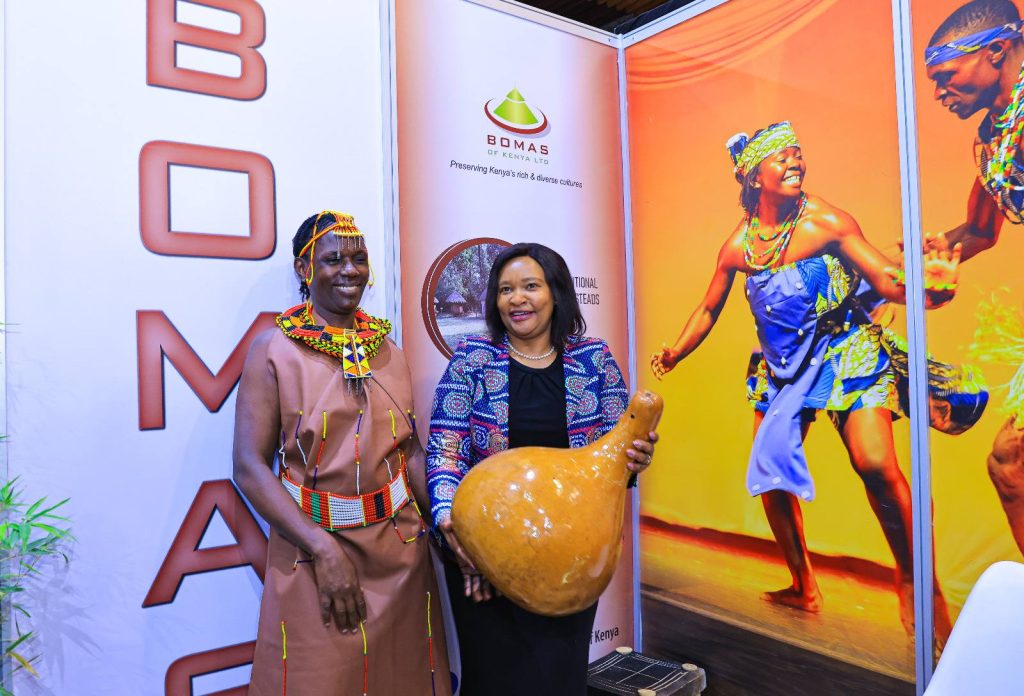
NAIROBI, Kenya — As Kenya prepares to mark 62 years of independence, the government has strategically positioned domestic tourism as the centerpiece of this year’s Jamhuri Week celebrations, signaling a fundamental shift in how the nation views its tourism sector—not as a foreign exchange earner dependent on international whims, but as a resilient economic engine powered by Kenyans themselves.
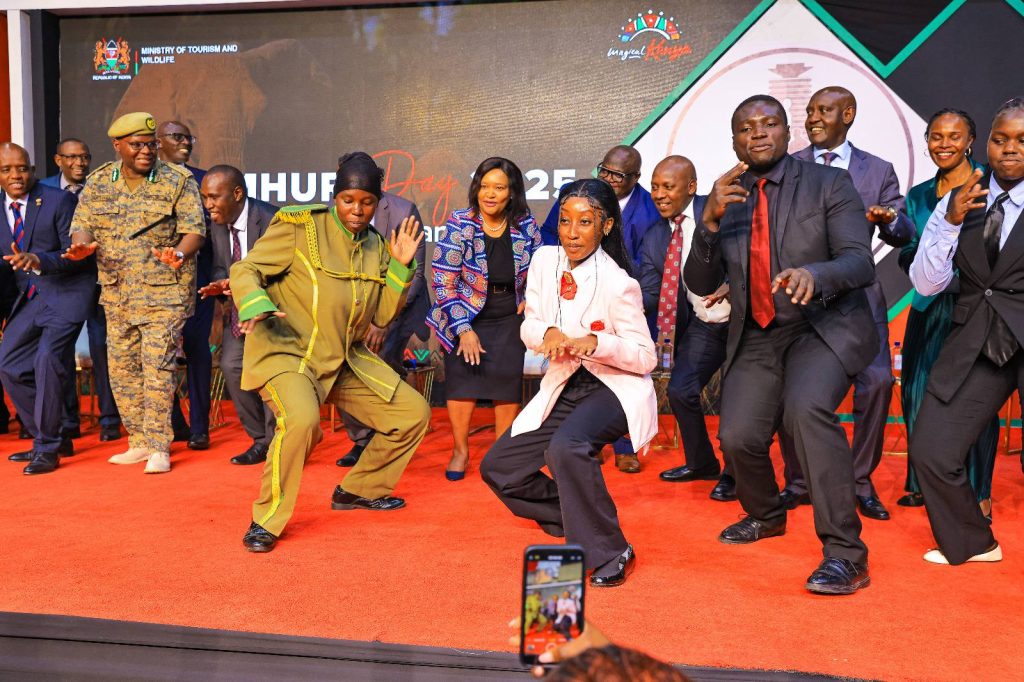
Tourism and Wildlife Cabinet Secretary Rebecca Miano, addressing stakeholders at the opening of week-long festivities in Nairobi, framed the pivot toward local travelers as both a strategic buffer against global volatility and a celebration of national pride during this historic week.
“Domestic tourism has become the backbone of our industry’s recovery,” Miano declared, outlining plans to leverage Jamhuri Week’s patriotic fervor to showcase Kenya’s attractions and deepen conservation awareness among citizens.
A Sector Transformed: The Numbers Tell the Story
The statistics underscore a tourism sector that has not merely recovered but fundamentally transformed. Coastal hotels reported a remarkable 11.8% surge in bed-nights occupied by Kenyan residents, reaching 2.47 million in 2024. Nationally, domestic bed-nights hit 4.91 million—figures that represent more than recovery; they signal a structural shift in how Kenyans engage with their own country.
Overall domestic tourism bed-night occupancy climbed 12% from 4.62 million in 2023 to 5.17 million in 2024, demonstrating that the growth trajectory remains steep and sustainable. These aren’t seasonal blips—they represent changing attitudes, improved accessibility, and growing middle-class discretionary spending.
The broader picture is equally compelling. Kenya welcomed 2.4 million international visitors in 2024, a 15% increase that helped push tourism earnings to a historic KES 452.2 billion—a 19.79% jump from the previous year’s KES 377.49 billion. Yet it’s the domestic market that industry analysts point to as the sector’s stability anchor.
Why Domestic Tourism Matters Now More Than Ever
The emphasis on local travelers isn’t merely aspirational—it’s strategic. Global tourism remains vulnerable to currency fluctuations, geopolitical tensions, pandemic aftershocks, and shifting European demand patterns that have challenged Kenya’s traditional source markets.
By cultivating robust domestic demand, Kenya is essentially building an insurance policy against external shocks while creating year-round economic activity that doesn’t depend on seasonal international migration patterns.
“Countries worldwide are discovering that strong internal tourism markets provide crucial resilience,” noted tourism sector analysts, pointing to how domestic spending sustained many destinations during periods when international travel collapsed.
For Kenya, which experienced currency volatility and softened European demand earlier in the year, the 43% surge in national park visitation and fully booked Mombasa hotels during Jamhuri Week validate the wisdom of this approach.
The Digital Generation: Redefining Tourism Marketing
Cabinet Secretary Miano highlighted an unexpected force reshaping Kenya’s tourism narrative: Generation Z and millennial content creators who have become unofficial brand ambassadors, showcasing destinations to millions through social media platforms.
These digital storytellers—armed with smartphones and authentic perspectives—often prove more influential than traditional marketing campaigns. A viral TikTok video of Diani’s turquoise waters or an Instagram reel capturing sunrise at Lake Nakuru can generate thousands of bookings, particularly among young, tech-savvy Kenyans seeking authentic experiences.
The government recognizes this organic marketing machine, noting how location-tagged posts and travel vlogs are elevating lesser-known attractions and distributing tourism benefits more equitably across the country.
Technology is also transforming operational efficiency. Digital park ticketing systems, real-time visitor management platforms, and data analytics are improving customer experiences while creating new revenue streams—all part of Kenya’s broader digital transformation agenda that aims to modernize public services and catalyze economic growth.
KICC: Symbol of Revival
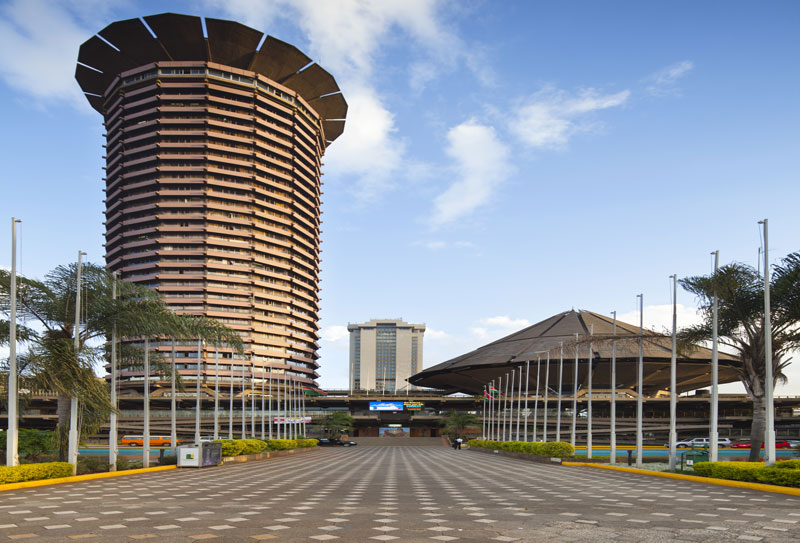
The reopened and renovated Kenyatta International Convention Centre stands as both a literal and metaphorical centerpiece of Jamhuri Week celebrations. The iconic facility, a recognizable landmark on Nairobi’s skyline, has been upgraded to support exhibitions, destination marketing, and the increasingly competitive Meetings, Incentives, Conferences, and Exhibitions (MICE) sector.
MICE tourism accounted for 27% of Kenya’s international arrivals in 2024—643,595 visitors, a 12.5% increase from 2023. This segment generates higher per-visitor spending and extends stays beyond traditional leisure patterns, making it a priority growth area.
Miano personally encouraged Kenyans to visit KICC during Jamhuri Week, positioning the facility as evidence of what national investment in tourism infrastructure can achieve.
Policy Signals and Presidential Directives
Industry stakeholders are anticipating President William Ruto’s expected tourism sector directives during Jamhuri Day on Friday, December 12. These policy announcements could reshape regulatory frameworks, unveil investment incentives, or introduce conservation financing mechanisms that the sector has long advocated for.
Such high-level attention during independence celebrations signals tourism’s elevated status in national economic planning—no longer viewed as peripheral but as central to Kenya’s development trajectory.
The Jamhuri Week Effect: Real-Time Economic Impact
Early indicators suggest perfect timing for the domestic tourism campaign. The Coast region is experiencing unprecedented demand, with hotels in Mombasa reporting full bookings throughout Jamhuri Week. National park visitation has climbed 43%, and industry data shows Kenyans are increasingly viewing the long weekend as an opportunity to explore their country rather than simply relax at home.
This behavioral shift represents exactly what policymakers hope to sustain year-round. If Jamhuri Week’s patriotic atmosphere can be channeled into lasting tourism habits, the sector gains predictable revenue streams that complement rather than compete with international arrivals.
Theme as Vision: Tourism, Wildlife, and MICE
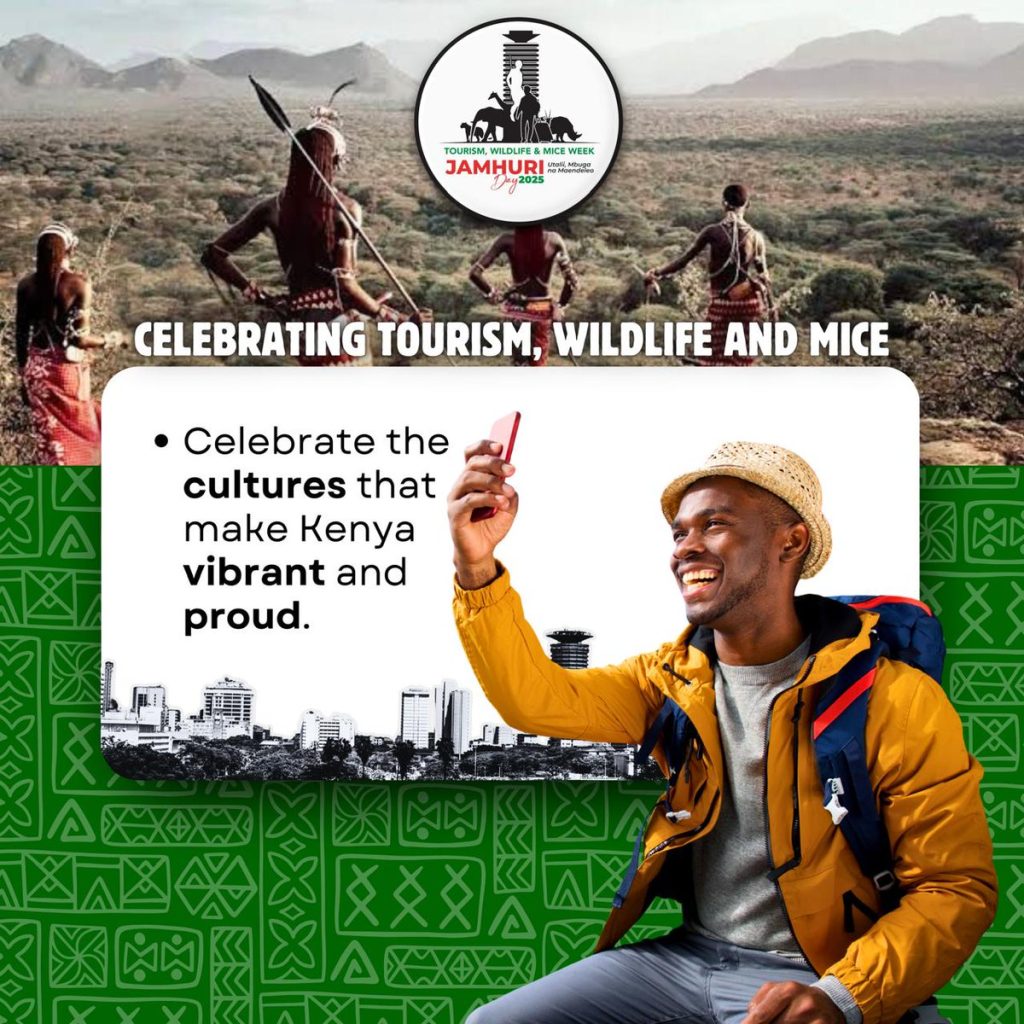
This year’s Jamhuri Day theme—”Tourism, Wildlife, and Meetings, Incentives, Conferences and Exhibitions (MICE)“—deliberately frames the sector as multifaceted rather than monolithic. It’s not just about safari lodges and beach resorts but encompasses conservation, business travel, conference hosting, and the entire ecosystem of services that support these activities.
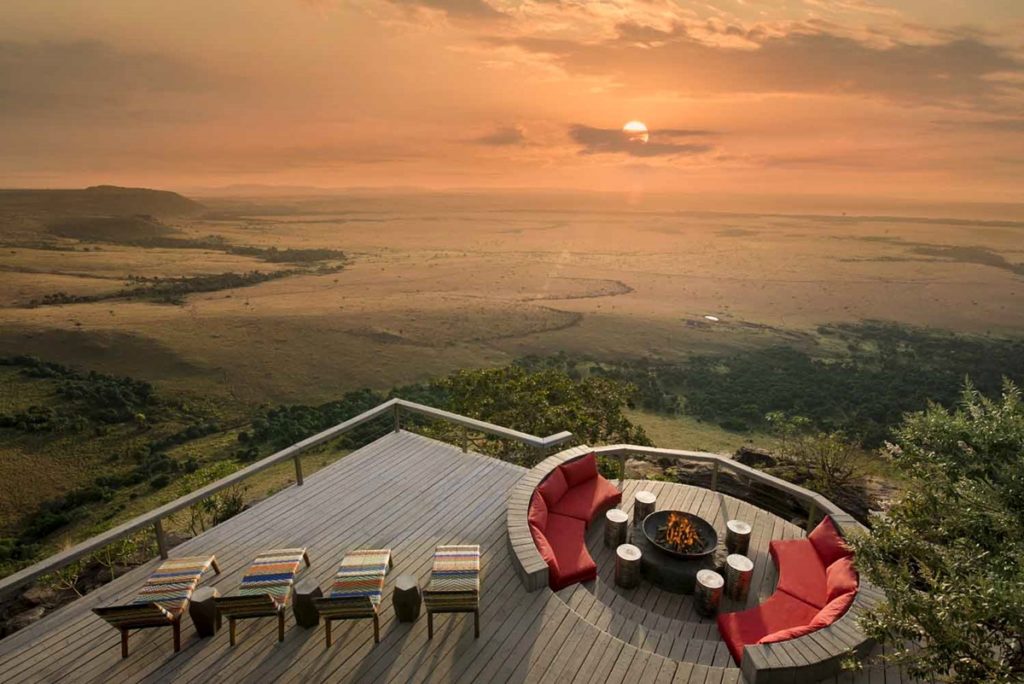
The thematic choice reflects ambitions to position Kenya as a diversified tourism economy: a place where a conference delegate might extend their stay to visit Amboseli, where domestic tourists gain conservation awareness that translates into environmental stewardship, and where MICE events showcase Kenya’s infrastructure and hospitality to international decision-makers.
Conservation Awareness: The Long Game
Beyond immediate economic benefits, Miano emphasized that Jamhuri Week’s focus on domestic tourism serves a deeper purpose: cultivating conservation awareness among Kenyan citizens. When locals visit national parks, see wildlife in natural habitats, and understand ecosystems firsthand, they become stakeholders in preservation rather than bystanders.
This grassroots conservation consciousness strengthens political support for environmental protection, reduces human-wildlife conflict through increased understanding, and creates communities that view wildlife as an asset rather than a threat.
Challenges Remain: Beyond the Celebration
While optimism pervades the sector, challenges persist. Total hotel occupancy rates reached only 28.9% in 2024 despite growth, indicating substantial unused capacity. Infrastructure gaps remain, particularly in emerging destinations that lack the connectivity and services to handle increased visitor volumes.
The sector must also navigate the delicate balance between growth and sustainability. Can Kenya’s parks handle 43% annual visitation increases without environmental degradation? How does the industry ensure tourism benefits reach local communities rather than concentrating in corporate hands?
These questions will outlast Jamhuri Week’s festivities, requiring sustained policy attention and investment.
The Regional Context: Africa’s Tourism Renaissance
Kenya’s focus on domestic tourism aligns with broader continental trends. African countries are increasingly recognizing that internal and intra-African travel—which already comprises 40.8% of Kenya’s arrivals—offers stability that dependence on European and American markets cannot provide.
The African Continental Free Trade Area and improving regional connectivity make intra-continental tourism increasingly viable. A Tanzanian family visiting Mombasa or Ugandans exploring Maasai Mara represents not just economic activity but the kind of regional integration that strengthens the entire continent.
Looking Ahead: The Three Million Target
Cabinet Secretary Miano has set an ambitious target: three million visitors by 2025, potentially generating KES 560 billion in tourism earnings. Achieving this requires the domestic market momentum generated during Jamhuri Week to extend throughout the year.
It means converting seasonal enthusiasm into year-round habits, leveraging digital platforms to maintain destination visibility, and ensuring that infrastructure keeps pace with demand. Most critically, it requires Kenyans to see exploring their own country not as a second-choice vacation but as a source of pride, education, and genuine recreation.
A Patriotic Act of Economic Development
As Uhuru Gardens fills with celebrants on Jamhuri Day, and as coastal hotels welcome Kenyan families over the long weekend, domestic tourism becomes more than economic policy—it becomes an expression of national pride.
Every Kenyan who visits a national park, books a beach resort, or explores a cultural heritage site contributes to economic growth, job creation, and the preservation of natural and cultural assets for future generations. In this sense, domestic tourism isn’t just about leisure; it’s about nation-building.
As Kenya marks 62 years of independence, the message is clear: the journey from colonial subjugation to thriving republic now includes Kenyans rediscovering and celebrating their own magnificent country. And in that rediscovery lies not just economic opportunity but the fulfillment of independence’s promise—that this land, its beauty, and its benefits belong to all Kenyans.
Jamhuri Week 2025 may ultimately be remembered not for its military parades or political speeches, but for the moment Kenya’s government and citizens aligned around a simple yet powerful idea: that the best ambassadors for Kenya are Kenyans themselves, and the strongest foundation for tourism prosperity is a nation that knows, values, and actively explores its own extraordinary heritage.
Rent A Driver Kenya wishes Kenya a happy 62nd independence day and for anyone who would love explore Kenya during the annual Jamhuri week celebrations – simply contact us now by sending an email to info@rentadriverkenya.com or call/ chat via +256-700135510 to speak with the reservations team.