Rise of Electric 4×4 Vehicles & Silent Game Drives in Kenya
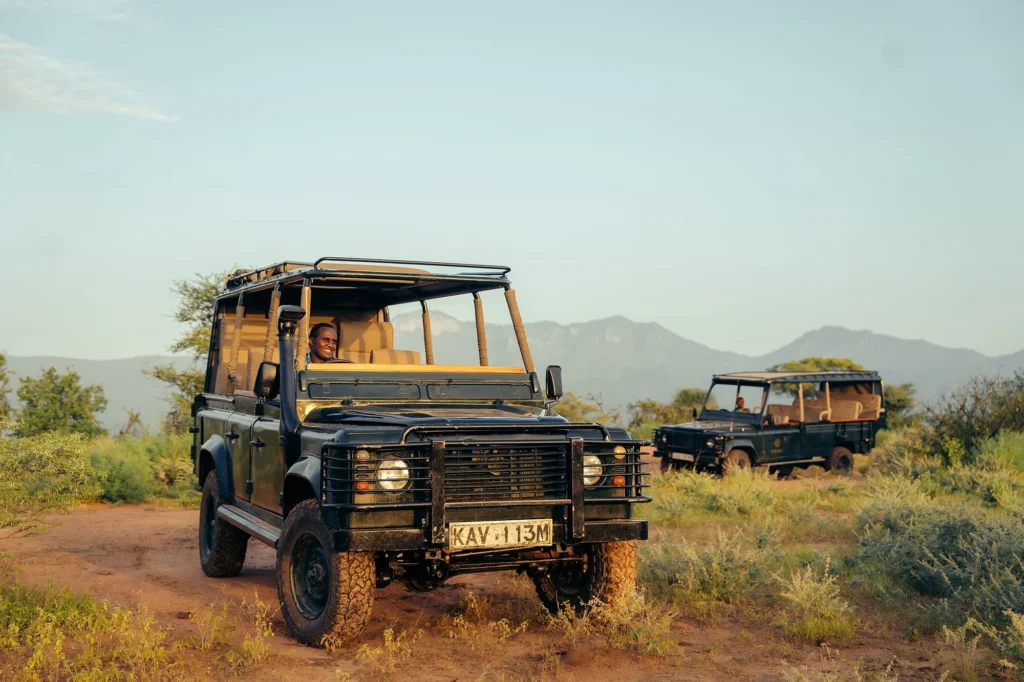
There is something paradoxical about the traditional game drive. You travel thousands of miles to experience one of the last truly wild places on earth, only to rumble through it in a diesel-powered vehicle that announces your arrival with a cloud of exhaust and the low growl of an engine that has not changed fundamentally since the 1970s. For decades, this was simply the accepted way of doing things. The wildlife tolerated it. The tourists loved it regardless. And the safari industry, built on decades of proven formula, saw little reason to change.
That calculation is shifting rapidly. Across Kenya’s most celebrated wildlife conservancies and national reserves, electric safari vehicles are moving quietly through the landscape — and in doing so, are fundamentally rewriting what a game drive can be.
The Problem With Conventional Safari Vehicles
To understand why electric vehicles are generating such excitement in the Kenya safari industry, it helps to first appreciate what the conventional alternatives have always gotten wrong. The internal combustion engine, however refined, introduces noise, vibration, and exhaust into ecosystems where subtlety is everything. Animals near vehicles habituate over time, but habituation is not the same as indifference. A lion dozing in the midday shade, a leopard nursing cubs in a fig tree, a herd of elephants moving through acacia scrub — all of these subjects behave differently, and often more naturally, in the absence of mechanical noise.
Beyond animal behaviour, there is the environmental argument. Kenya’s game reserves and private conservancies sit within some of the most ecologically sensitive terrain on the continent. The Maasai Mara ecosystem, Amboseli, Samburu, Laikipia — these are not just tourist attractions. They are functioning wildlife corridors, carbon sinks, and biodiversity refuges. Diesel engines burning fuel on multiple game drives daily, across dozens of vehicles, across hundreds of operating days per year, add up to a measurable environmental footprint that sits uneasily alongside the conservation mission these operations claim to champion.
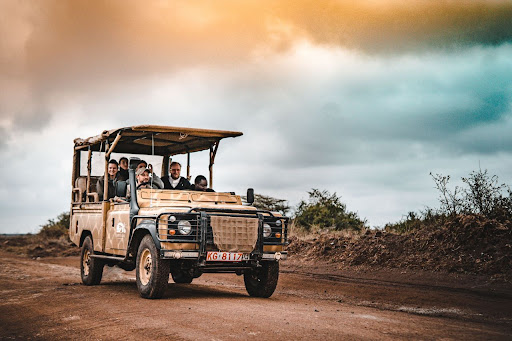
The Electric Alternative Arrives in Kenya
Kenya is emerging as Africa’s most progressive testing ground for electric safari vehicles, and the timing is not accidental. The country has long positioned itself as a leader in sustainable tourism, and its government has backed renewable energy infrastructure aggressively — Kenya now generates over 90 percent of its electricity from renewable sources, making the case for electric vehicles considerably more compelling than in countries reliant on coal-powered grids.
Several pioneering operators began trialling electric safari vehicles in the early 2020s, and by 2026 the technology has matured to the point where purpose-built electric game viewers are operating commercially in multiple Kenyan conservancies. Companies designing these vehicles have had to solve challenges unique to the safari environment — extreme dust, rough terrain, river crossings, and the need for elevated seating that gives passengers unobstructed sightlines across open savannah. The results, purpose-engineered rather than adapted from road vehicles, are impressive. Modern electric safari vehicles offer full 360-degree open viewing, carry six to eight passengers comfortably, and can run a full day of game drives on a single charge.
What Silent Game Drives Actually Feel Like
Ask anyone who has done a silent electric game drive in the Maasai Mara or on a Laikipia conservancy and the response is remarkably consistent: it feels like a different activity entirely.
Without engine noise, the sensory experience of the bush opens up in ways that are genuinely startling. You hear the grass move before you see what is moving through it. You catch the alarm call of a bird that has spotted something your eyes have not yet found. You notice the low rumble of distant thunder, the sound of a hippo exhaling in a hidden pool, the creak of an acacia branch under the weight of a sleeping leopard. The bush, it turns out, is extraordinarily loud — once you stop drowning it out.
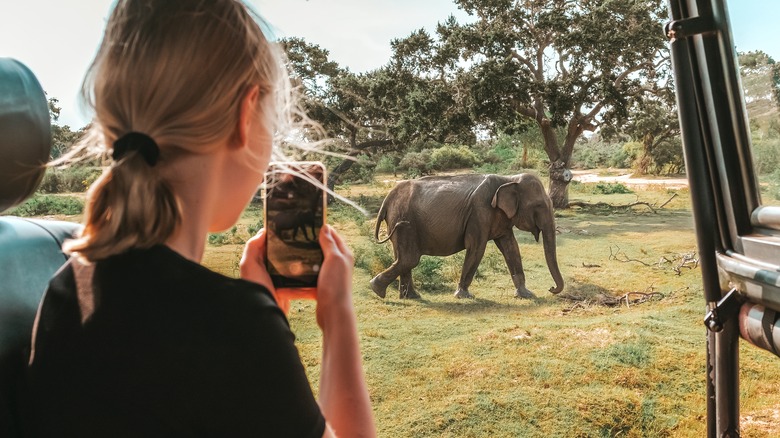
Animal behaviour changes too. Guides operating electric vehicles in Kenya’s conservancies report that wildlife approaches the vehicles more closely and with less agitation, that predators on hunts are less frequently disturbed, and that nocturnal species encountered on evening drives show markedly less stress response. A pride of lions, undisturbed by engine noise, will carry on their natural interactions — grooming, playing, communicating — in ways that feel intimate rather than performed for an audience.
The Conservation and Community Dimension
The shift to electric vehicles in Kenya is inseparable from the broader conversation about what conservation-led tourism should look like in the 21st century. Many of Kenya’s most respected private conservancies — operations like those in the Mara ecosystem’s buffer zones or across the Laikipia plateau — are community-owned or community-partnered enterprises where tourism revenue flows directly to Maasai, Samburu, and other pastoral communities who have chosen wildlife conservation over livestock grazing.
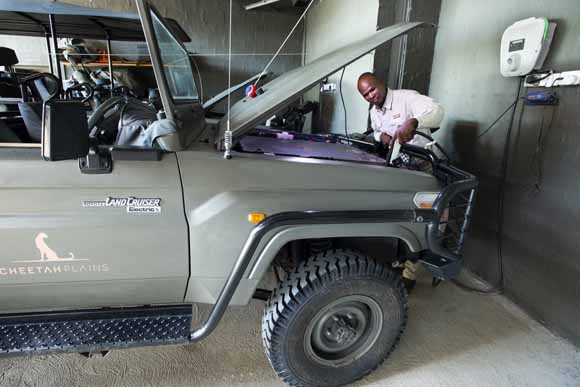
For these communities and the operators who partner with them, the electric safari vehicle is not merely a technological upgrade. It is a statement of values. It signals to the high-end, environmentally conscious traveller — increasingly the most important demographic in Kenya’s tourism market — that the operation takes its ecological responsibilities seriously. Carbon footprint reduction, noise pollution minimisation, and genuine habitat preservation are becoming differentiating factors in a competitive market where greenwashing is increasingly easy for informed travellers to detect.
Several Kenyan conservancies have begun tracking and publishing the carbon savings generated by their electric fleets, turning environmental performance into a marketable and verifiable asset. This transparency is attracting a new generation of traveller who wants their safari dollars to actively support the ecosystems they have come to see.
Challenges Still to Overcome
The electric safari vehicle revolution in Kenya is real, but it is not without friction. The upfront capital cost of purpose-built electric game viewers remains significantly higher than conventional diesel alternatives, creating a barrier for smaller operators and community conservancies with limited access to financing. Charging infrastructure in remote areas requires investment in solar or grid solutions that not every operator can absorb quickly.
Range anxiety — the concern that a vehicle will run out of charge far from a charging point during a game drive — is a practical consideration that operators manage carefully through route planning and conservative usage protocols. And while the technology is improving rapidly, the availability of trained technicians capable of servicing electric drivetrains in remote Kenyan locations is still developing.
None of these challenges are insurmountable, and the trajectory of the industry points clearly in one direction. As battery technology improves, costs fall, and charging infrastructure expands, the electric safari vehicle will move from progressive luxury to standard expectation.
A Quieter Future for Kenya’s Wildlands
The rise of the electric safari vehicle in Kenya represents something larger than a change in powertrain technology. It represents a maturing of the safari industry’s relationship with the environments it depends upon — an acknowledgment that the best way to experience wild Africa is also, increasingly, the most responsible way.
When the vehicle falls silent and the Mara stretches out in every direction, when a cheetah lifts her head from the grass and regards you with something closer to curiosity than alarm, you understand intuitively what the noise was always costing. The electric game drive does not just reduce emissions. It gives the wilderness back its voice — and in doing so, gives you something worth travelling halfway around the world to hear.
Kenya’s electric safari revolution is underway. The operators who embraced it earliest are already reporting the results — in wildlife encounters, guest satisfaction, and conservation outcomes that speak for themselves.
Planning to visit Kenya for a silent safari in an electric vehicle, simply contact us now by sending an email to info@rentadriverkenya.com or call us now +256-700135510 to speak with us.