Maasai Mara Migration 2026: Dates, Tips & What to Expect
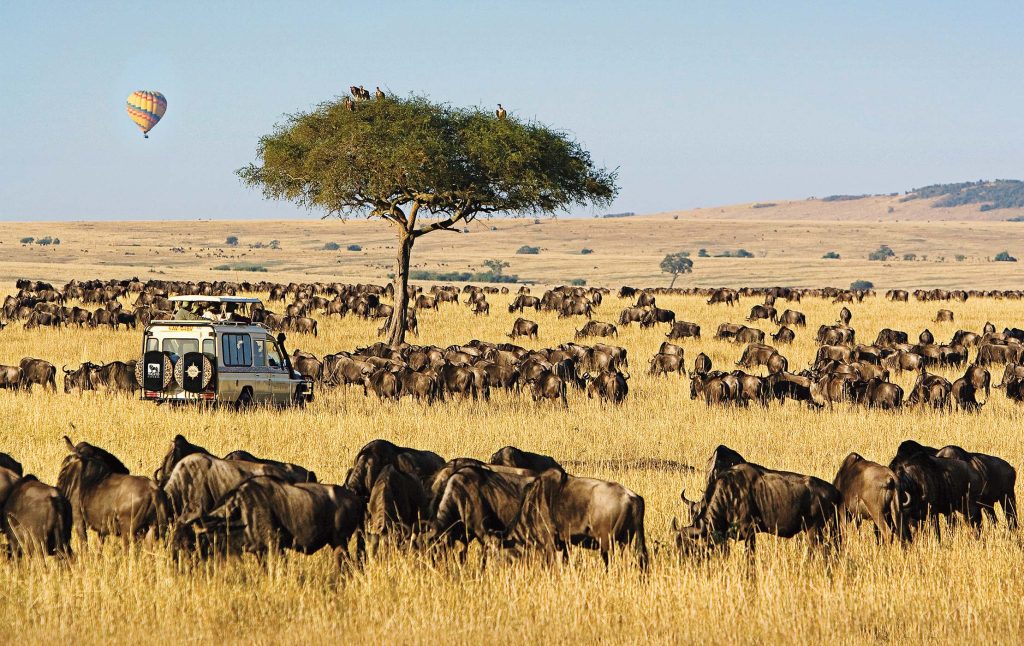
Every year, one of the most extraordinary wildlife events on Earth unfolds across the plains of East Africa. Roughly two million wildebeest, zebras, and gazelles abandon the depleted grasslands of Tanzania’s Serengeti and push northward into Kenya’s Maasai Mara in search of fresh pasture. It is raw, unpredictable, and utterly breathtaking — and 2026 is shaping up to be a spectacular year to witness it firsthand. Here is everything you need to know before you go.
What Is the Great Migration?
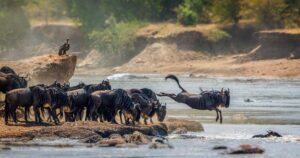
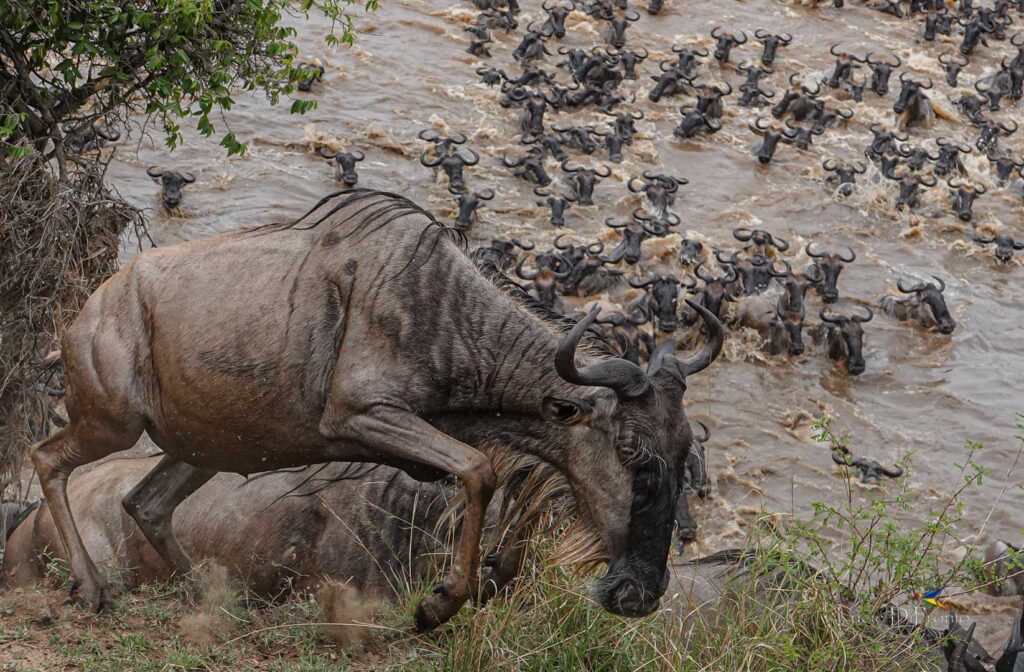
The Great Migration is the largest overland movement of animals on the planet. It is not a single event but a continuous, year-round cycle driven by rainfall and the availability of grass. The wildebeest follow the rains in a giant clockwise loop across the Serengeti-Mara ecosystem — roughly 1,800 kilometres in total. The most dramatic chapter of this cycle happens between July and October, when the herds cross the crocodile-infested Mara River into Kenya’s Maasai Mara — a crossing that is as dangerous as it is spectacular. Crocodiles wait in the water. Lions and cheetahs patrol the banks. The wildebeest plunge in anyway, driven purely by instinct. Many don’t make it. Those that do continue feeding before eventually turning back south as the rains return to the Serengeti.
Maasai Mara Migration 2026: Month-by-Month Dates
Understanding the migration calendar is the single most important step in planning your trip. While wildlife movement can never be guaranteed to the day, patterns are consistent enough to plan around.
January to March — The herds are deep in Tanzania’s southern Serengeti, calving season is underway, and the Maasai Mara is quiet. This is a poor time to visit specifically for the migration, though the Mara remains beautiful year-round.
April to May — The long rains arrive and the herds begin moving northward through the central Serengeti. The Mara is still largely empty of the great herds at this point.
June — The migration enters the northern Serengeti. Anticipation builds. Some early herds begin appearing in the southern Maasai Mara by late June, though numbers are still building. Accommodation prices are lower and crowds thinner — a good option for budget-conscious travelers.
July to August — This is when things get serious. The bulk of the herds cross into the Maasai Mara, and the first major Mara River crossings typically take place. July and August are among the most exciting months to visit, with large concentrations of wildebeest, predator activity at its peak, and river crossings happening with increasing frequency. Expect higher prices and more visitors.
September — Widely considered the single best month to witness the migration. The herds are well established in the Maasai Mara, river crossings continue throughout the month, and the dramatic interaction between predators and prey is at its most intense. If you can only visit during one month, September is it.
October — The short rains begin arriving in Tanzania, signalling to the wildebeest that it is time to return south. Crossings still occur in October, often in reverse as herds head back toward the Serengeti. Numbers thin as the month progresses.
November to December — The herds are largely back in Tanzania. The Maasai Mara settles into its quieter season.
Where Exactly to Be in the Maasai Mara
Not all parts of the reserve offer the same experience. The Mara River crossing points are concentrated in the northern part of the ecosystem — particularly around the Mara Triangle (west of the Mara River) and areas near Serena and Governors’ Camp. Positioning yourself at camps in the northern Mara dramatically increases your chances of witnessing a crossing, as these dramatic moments can happen at any time during the peak months. Your guide’s knowledge and patience matter enormously on a Maasai mara safari adventure — crossings are unpredictable and waiting for hours at a crossing point is simply part of the experience.
What to Expect at a River Crossing
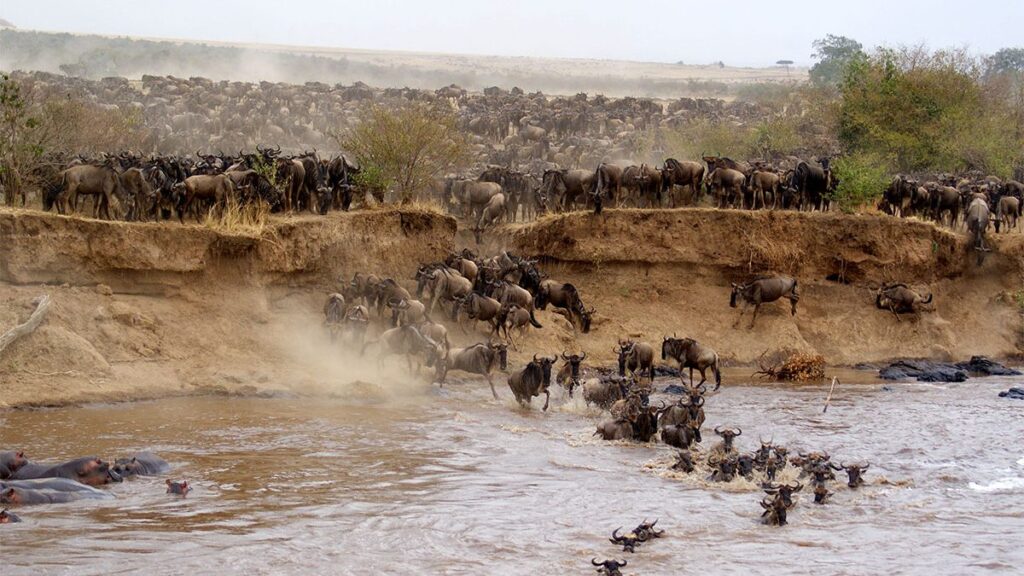
Nothing quite prepares you for a Mara River crossing. The wildebeest gather in massive, restless groups on the riverbank — sometimes tens of thousands of animals pressing forward and then retreating, overwhelmed by what lies ahead. The wait can last hours. Then, suddenly, one animal commits. The rest follow in a thundering, chaotic surge. The noise is astonishing. Crocodiles launch from the water. The opposite bank becomes a churning mass of animals fighting the current and scrambling for purchase on the rocks. It is brutal, beautiful, and over in minutes. Many visitors describe it as the most visceral wildlife experience of their lives.
Essential Tips for Visiting in 2026
Book early and book well. The best camps in the northern Mara — Governors’ Camp, Angama Mara, Sanctuary Olonana, and others — fill up a year or more in advance for the peak July to October window. If you are planning a 2026 migration trip, start making enquiries now.
Hire an experienced guide. The difference between a good guide and a great one is measured in crossings witnessed. Local Maasai guides with years of experience reading animal behaviour will position you correctly and keep you at the right crossing points.
Pack for variable weather. Even in the dry season, mornings in the Mara are cool and evenings can be cold. Afternoons bring warmth. Pack layers, a quality rain jacket, and dust-resistant gear for your camera equipment.
Be patient. The migration operates on no one’s schedule but its own. Experienced safari travellers will tell you that the waiting — the tension of a herd building at the bank — is as memorable as the crossing itself. Embrace the unpredictability.
Respect the ecosystem. The Maasai Mara is a living landscape, not a theme park. Keep vehicles at a respectful distance from crossing points, follow your guide’s instructions, and choose operators and camps that invest in conservation and community benefit.
Why the Maasai Mara Migration Belongs on Your 2026 Calendar
There are wildlife experiences and then there are life-defining ones. Witnessing two million animals move across an ancient landscape, driven by instincts older than recorded history, while predators circle and the Mara River churns below — this sits firmly in the second category. The Great Migration has humbled naturalists, moved hardened travellers to tears, and filled the notebooks of journalists and scientists for generations. In 2026, it will happen again, exactly as it has for millennia. The only question is whether you will be there to see it.
PLanning to visit Kenya for a chance to witness the Great migration on a Maasai mara safari adventure- simply contact us now by sending an email to info@rentadriverkenya.com or call us on +256-700135510.