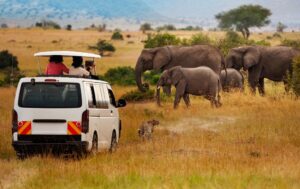
Best Time to Visit Kenya: A Month-by-Month Guide

Kenya is a year-round destination — there’s genuinely no bad time to visit. But the right time for your trip depends entirely on what you’re after: front-row seats to the Great Migration, quieter parks with lower rates, newborn wildlife, or simply the driest roads for a smooth self-drive safari. This month-by-month guide breaks down exactly what to expect, so you can time your trip around what matters most to you.
Understanding Kenya’s Seasons
Kenya’s climate revolves around two dry seasons and two rainy seasons:
- Long dry season: June to October
- Short dry season: January to February
- Long rains: March to May
- Short rains: November to mid-December
Temperatures stay relatively consistent year-round thanks to Kenya’s position near the equator, with the coast running warmer and higher-elevation areas like the Aberdares and Laikipia staying noticeably cooler. What changes most throughout the year isn’t heat — it’s rainfall, wildlife concentration, crowd levels, and price.
January
Weather: Hot, dry, and clear — one of the best months of the year for game viewing. Highlights: The short dry season is in full swing, grass is grazed down, and wildlife gathers close to water sources. This is also calving season for wildebeest on the Serengeti side, drawing predators into action. Good for: Safaris, beach holidays on the coast, and clear skies for photography. Note: January is peak season, especially around New Year — book lodges and vehicles well in advance.
February
Weather: Dry and hot, continuing directly from January. Highlights: Still excellent for game viewing, with animals concentrated around waterholes. Bird life is also strong this month. Good for: Safaris without the New Year crowds, and excellent coastal diving conditions.
March
Weather: The long rains typically begin, though the exact timing varies — early March is often still dry, with heavier rain arriving later in the month. Highlights: Parks like the Maasai Mara, Amboseli, and Samburu remain good options through mid-March. Landscapes start turning green. Good for: Travelers wanting lower prices and fewer crowds before the rains fully set in. Early March can be a good compromise month.
April
Weather: The heart of the long rains — the wettest month of the year in most of Kenya. Highlights: Lush, dramatic green landscapes and excellent rates at lodges and camps. Wildlife viewing is more challenging as animals disperse, and some roads become difficult to navigate. Good for: Budget travelers and photographers who love dramatic skies — less ideal for those prioritizing guaranteed wildlife sightings.
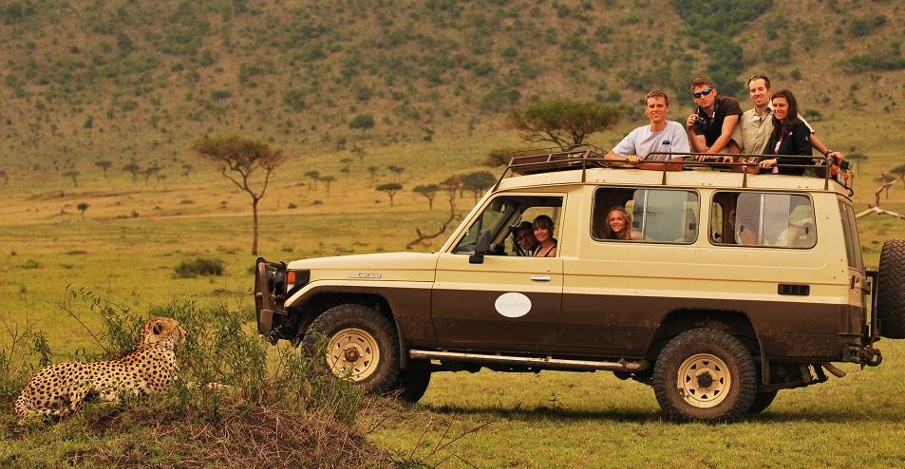
May
Weather: The tail end of the long rains, with conditions gradually improving toward the end of the month. Highlights: Still one of the wettest months, though late May tends to be drier than April. Parks are quiet and rates remain low. Good for: Value-conscious travelers willing to trade a chance of rain for lower prices and fewer visitors.
June
Weather: The long dry season begins — cooler, clearer, and increasingly dry. Highlights: The build-up to the Great Migration starts, with early wildebeest herds occasionally arriving from the Serengeti. Nights and early mornings can be chilly, especially on open game drives. Good for: The start of peak safari season, with excellent visibility and comfortable daytime temperatures.
July
Weather: Kenya’s cool, dry season is fully underway. Highlights: The Great Migration begins arriving in the Maasai Mara, with the first dramatic river crossings possible. Good water visibility also makes this a strong month for coastal diving and snorkeling. Good for: Wildlife viewing, migration season, and outdoor activities — pack a hat and sunscreen despite the cooler temperatures, as the equatorial sun remains strong.
August
Weather: Dry, mild to warm, and one of the busiest months of the year. Highlights: The Great Migration is typically at its peak in the Maasai Mara, with massive wildebeest and zebra herds and dramatic Mara River crossings. School holidays in many countries make this a popular family travel month. Good for: The single best month for migration viewing — but expect crowded parks and higher prices, so book well ahead.
September
Weather: Dry, clear skies, and increasingly hot. Highlights: The migration herds remain in the Maasai Mara through much of the month before beginning their return south. Wildlife viewing across the country stays excellent. Good for: Travelers who want migration-season wildlife density with slightly fewer crowds than August.
October
Weather: Hot and mostly dry, with the long dry season winding down. Highlights: Migration herds begin moving back toward Tanzania, though sightings are still possible early in the month. Many travelers consider October an underrated choice — excellent weather without peak-season crowds. Good for: A great balance of good weather, strong wildlife viewing, and slightly better availability than the July–August rush.
November
Weather: The short rains typically arrive in the second half of the month. Highlights: A quieter, lower season with fresh green landscapes returning. Rain showers tend to be brief rather than constant, often clearing quickly. Good for: Travelers seeking lower rates and fewer visitors, with wildlife viewing still reasonably good outside the wettest days.
December
Weather: The short rains usually taper off by mid-month, giving way to clearer skies. Highlights: Landscapes look their best after the rains, with lush scenery and pleasant temperatures. This is also a popular month for families traveling over the festive season. Good for: A festive-season safari or coastal getaway, combining good weather with vibrant scenery — though expect a price and crowd uptick around Christmas and New Year.
Quick Reference: What Are You Traveling For?
- The Great Wildebeest Migration: July to October, with August widely considered the peak.
- Best overall wildlife viewing: June to October and January to February (the two dry seasons).
- Lowest prices and fewest crowds: April, May, and November.
- Best for photography and lush scenery: March to May and November.
- Best beach and diving conditions: January, February, and July through September.
- Best for a self-drive road trip: The dry seasons, when highways and park access roads are in their best condition.
Let Rent A Driver Kenya Help You Time It Right
Whatever month you’re planning around, timing your Kenya trip well makes all the difference — and so does having an experienced local driver who knows exactly where the wildlife is likely to be that week. At Rent A Driver Kenya, we help you plan your safari or road trip around the season that matters most to you, whether that’s front-row migration viewing in August or a quieter, budget-friendly trip in the green season.
Get in touch and we’ll help you build the right itinerary for your travel dates.
Email: info@rentadriverkenya.com Phone: +256-700135510