Kenya to Tanzania: Cross the Border for Serengeti Extension
#image_title
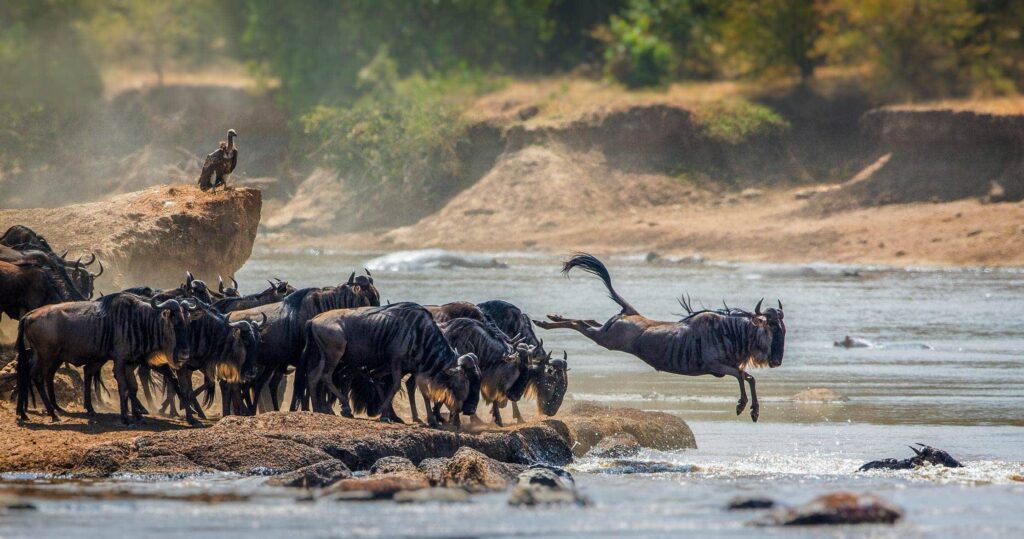
Kenya and Tanzania share more than a border — they share an ecosystem. The same wildebeest herds that thunder across the Maasai Mara spend part of the year in Tanzania’s Serengeti, and for travelers with a bit of extra time, combining both parks into one trip is one of the most rewarding safari extensions in East Africa. Here’s what you need to know before you cross.
Why Combine Kenya and the Serengeti?
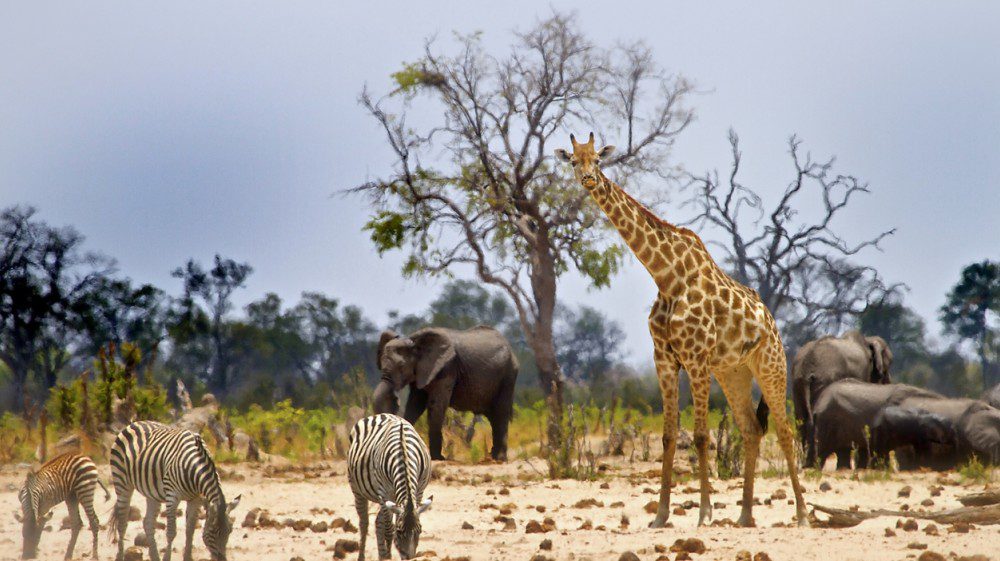
The Maasai Mara and the Serengeti are technically two names for the same ecosystem, split by an international border. Wildlife moves freely between them, following the rains in a continuous, clockwise migration route. If your trip happens to fall outside peak migration season in the Mara, extending into the Serengeti (or vice versa) significantly increases your odds of catching the herds — along with giving you access to Tanzania’s other icons, like the Ngorongoro Crater, Lake Manyara, and Mount Kilimanjaro.
The Main Border Crossings
There are several official crossing points between Kenya and Tanzania, but two are most relevant for a Serengeti extension:

Isebania / Sirari Border This is the crossing most directly useful for combining the Maasai Mara with the Serengeti, since it sits close to both parks. Rather than backtracking to Nairobi, travelers can cross directly from the Mara region into northern Tanzania, saving significant driving time on a Mara-to-Serengeti itinerary.
Namanga Border The busiest and most established crossing between the two countries, Namanga connects Nairobi to Arusha, Tanzania’s main safari hub. It’s roughly 160 km from Nairobi and about 110 km from Arusha, making it the natural route for travelers heading toward the Serengeti, Ngorongoro Crater, Lake Manyara, or Mount Kilimanjaro via Arusha or Moshi. It’s also a convenient crossing if you’re combining a Serengeti extension with a visit to Amboseli National Park, which sits close to the border on the Kenyan side.
Other crossings, including Lunga Lunga (near Mombasa, heading toward Tanga and Dar es Salaam) and Taveta (near Tsavo), exist for travelers on different routes, but Isebania and Namanga are the two you’ll most likely use for a Serengeti extension.
Visa Requirements
Kenya and Tanzania do not share a single regional visa, so most travelers need to arrange entry documents for both countries separately:
- Entering Kenya: Most visitors now require an Electronic Travel Authorization (ETA) rather than a traditional visa, applied for online in advance. The ETA is typically valid for 90 days from the date of approval.
- Entering Tanzania: A Tanzania tourist visa is required for most nationalities. It can technically be obtained on arrival at land borders like Namanga or Isebania, but applying for an e-visa in advance is strongly recommended to avoid long queues and processing delays at the border.
If your itinerary also includes Uganda or Rwanda, note that the East Africa Tourist Visa covers those three countries on a single visa — but it does not include Tanzania, which requires its own separate visa regardless.
Health and Vehicle Documentation
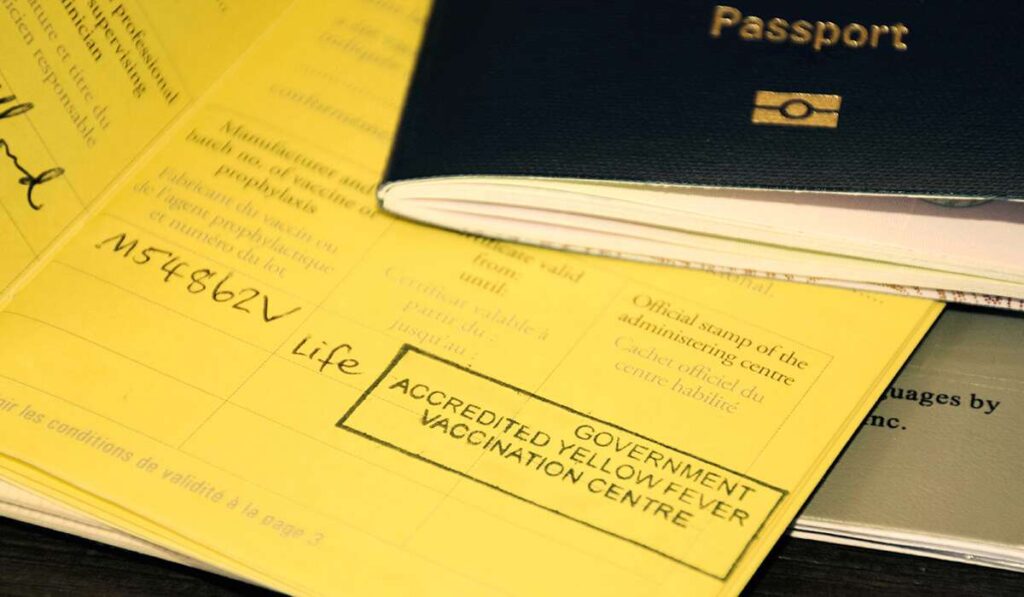
- Yellow fever certificate: Required at Tanzanian entry points if you’re arriving from Kenya, which is classified as a yellow fever endemic country. Carry your vaccination card with you at the border.
- Vehicle documents (if self-driving or using a private vehicle): Crossing with a vehicle requires proof of registration and ownership, a valid international driving permit, and vehicle insurance valid in Tanzania — typically a COMESA Yellow Card, a regional motor insurance certificate accepted across much of East and Southern Africa. Vehicles are usually inspected and logged into customs records at the border.
- Printed documents matter. Even where e-visas and ETAs are available digitally, it’s worth carrying printed copies of everything — passport, visa approvals, and vaccination certificates — since border connectivity isn’t always reliable.
What to Expect at the Border
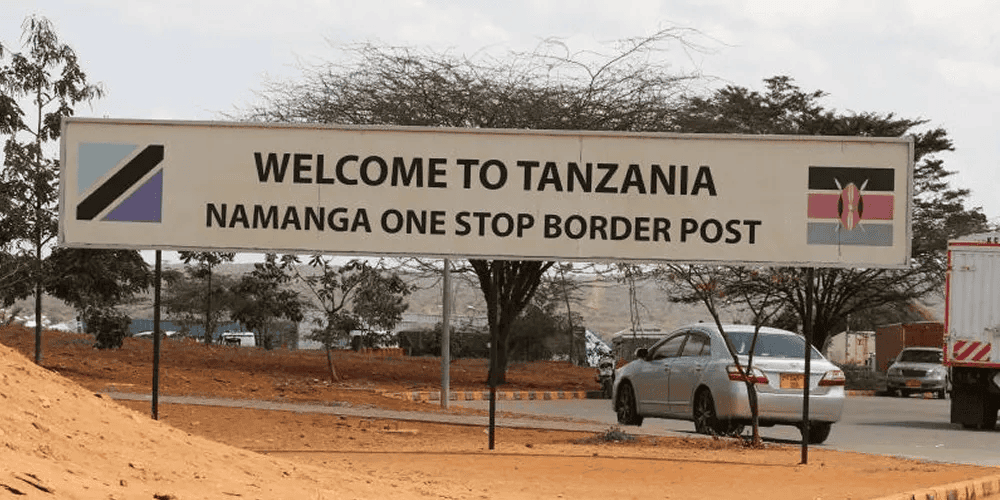
Both Namanga and Isebania are functioning, well-staffed border posts, even though they sit in fairly remote areas. Expect the following process on both sides:
- Passport and visa/ETA checks
- Yellow fever certificate verification
- Vehicle inspection and customs logging, if applicable
- Currency exchange and small shops or restaurants available at Namanga in particular, useful for a break during the crossing
Arriving early is worth it, especially during peak safari season from June to October, when crossing times can stretch out due to higher traveler volumes.
Practical Tips for a Smooth Crossing
- Apply for visas and ETAs in advance. Don’t rely on last-minute, on-arrival processing, particularly during busy travel months.
- Double-check passport validity. Tanzania generally requires passports to be valid for at least six months beyond your travel date, with at least one full blank page available for an entry stamp.
- Carry small denominations of US dollars or local currency for any incidental fees at the border.
- Let your operator handle the paperwork. If you’re traveling with a driver-guide or tour company, most of the border formalities — vehicle documentation, customs logging, and queue navigation — can be handled on your behalf, considerably speeding up the process.
- Plan your route around the migration. If seeing the wildebeest herds is a priority, check where they’re likely to be before deciding whether to cross via Namanga or Isebania, since the more direct Isebania route makes more sense for a Mara-to-Serengeti combination specifically.
Plan Your Kenya–Tanzania Extension With Rent A Driver Kenya
A Serengeti extension is one of the most rewarding additions you can make to a Kenya safari adventure, but the border logistics — visas, vehicle documents, yellow fever certificates, and crossing timing — are easiest to manage with an experienced local team behind you. At Rent A Driver Kenya, we help plan and support cross-border routes from the Maasai Mara or Nairobi into Tanzania, taking care of vehicle documentation and route planning so your trip stays focused on the wildlife, not the paperwork.
Get in touch with us to start planning your Kenya-to-Tanzania Serengeti extension. Email to info@rentadriverkenya.com or call +256-700135510