Kenya Car Rental: The Complete 2026 Guide for Tourists
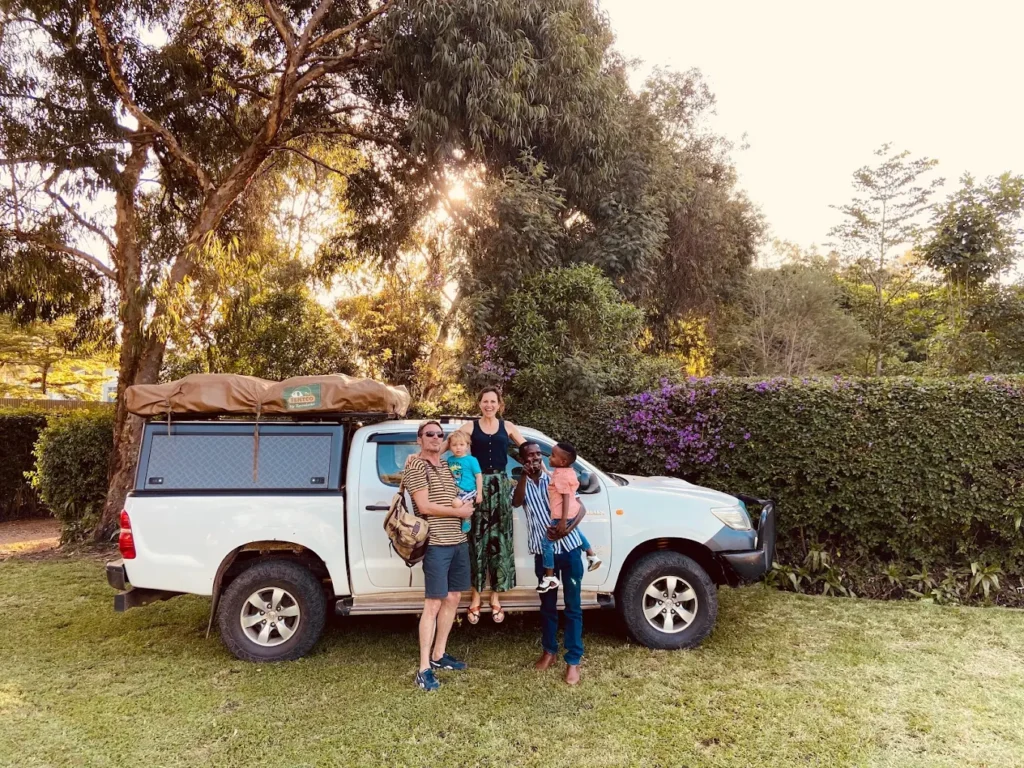
Kenya is one of the most rewarding countries in Africa to explore by road. From the wide plains of the Maasai Mara to the beaches of Diani and the highlands around Mount Kenya, a rental car gives you the freedom to move at your own pace instead of being tied to a fixed tour schedule. But renting a car as a tourist in Kenya comes with its own set of rules, costs, and practical considerations. This guide walks through everything you need to know before you book.
Self-Drive or Hire a Driver?
This is the first decision every tourist has to make, and it shapes almost everything else about your trip.
Self-drive gives you complete flexibility — you set your own schedule, stop wherever you like, and pay less overall. It suits confident, experienced drivers who are comfortable with left-hand traffic, variable road conditions, and navigating without local knowledge. Modern rental 4x4s typically come with GPS navigation, which helps considerably.

Hiring a driver costs more but removes the biggest sources of stress for first-time visitors: unfamiliar roads, aggressive traffic in Nairobi and Mombasa, and the navigation involved in reaching remote parks. A driver-guide also brings real value on safari — spotting wildlife, knowing which tracks are passable after rain, and handling park gate formalities so you don’t have to. Many travelers land on a middle ground: a self-drive vehicle with a driver added for a modest daily rate, which keeps costs down while still getting local expertise.
If this is your first trip to Kenya, or your itinerary includes multiple national parks and long driving days, a driver is generally worth the extra cost. If you’re an experienced traveler sticking to well-paved routes for a short trip, self-drive can work well.
What Does It Cost to Rent a Car in Kenya?
Prices vary by vehicle type, rental length, and season, but here’s a realistic picture for 2026:
- Economy sedans (city and tarmac use only): roughly $35–$55 per day
- Mid-range SUVs: roughly $65–$120 per day, a good balance for tarmac routes with occasional rough sections
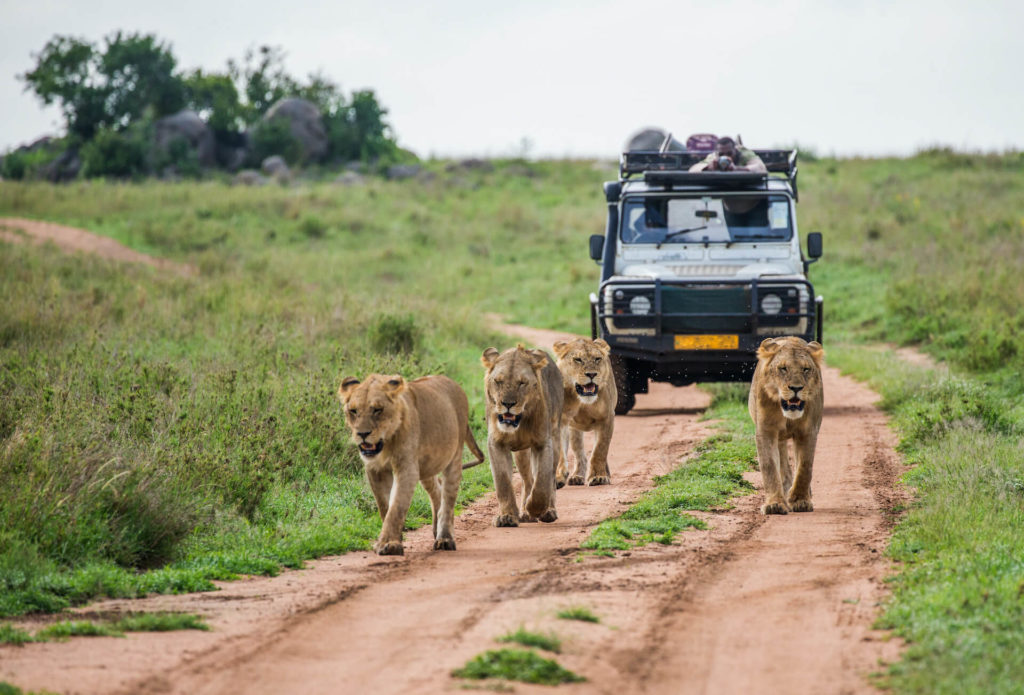
- 4×4 safari vehicles (Land Cruisers and similar): roughly $120–$250 per day, the standard choice for national park game drives
- Luxury vehicles: $150+ per day, depending on the model
A few things to factor into your budget beyond the daily rate:
- Fuel is almost never included. Most companies rent on a “dry hire” basis and expect you to return the car with the same fuel level it started with.
- Insurance varies by provider. Comprehensive cover (collision and theft) is sometimes bundled in, sometimes charged separately — always confirm this before booking.
- Longer rentals bring the daily rate down. If you’re touring for a week or more, ask specifically for a multi-day or weekly rate.
- National park fees are separate from the rental. Kenya Wildlife Service charges per-person, per-day entry fees for foreign visitors, and some parks — the Maasai Mara reserve in particular — charge vehicle fees on top of that. Budget for these separately from your car rental.
Requirements for Renting a Car in Kenya
Most Kenya car rental companies, including driver-guide services, ask for the following:
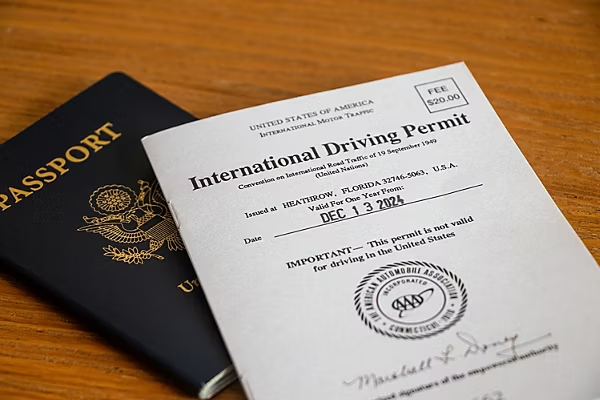
- A valid driving license held for at least three years, in most cases. An International Driving Permit alongside your home license is recommended for foreign visitors, even where not strictly mandatory.
- Minimum age. Typically between 23 and 25, with an upper age limit around 70–75 at many companies. Drivers under 25 sometimes face a young-driver surcharge.
- A valid passport, plus your Kenyan visa or eTA confirmation.
- A security deposit, usually held on a credit card, occasionally accepted in cash.
- A pre-rental vehicle inspection. It’s worth photographing or filming the car with your phone before you drive off, to avoid disputes over existing damage at drop-off.
If your trip includes travel into Uganda or Tanzania, flag this at booking — most standard self-drive rentals in Kenya prohibit crossing borders without special documentation, including the vehicle’s logbook and East Africa cross-border insurance.
Choosing the Right Vehicle for Your Trip
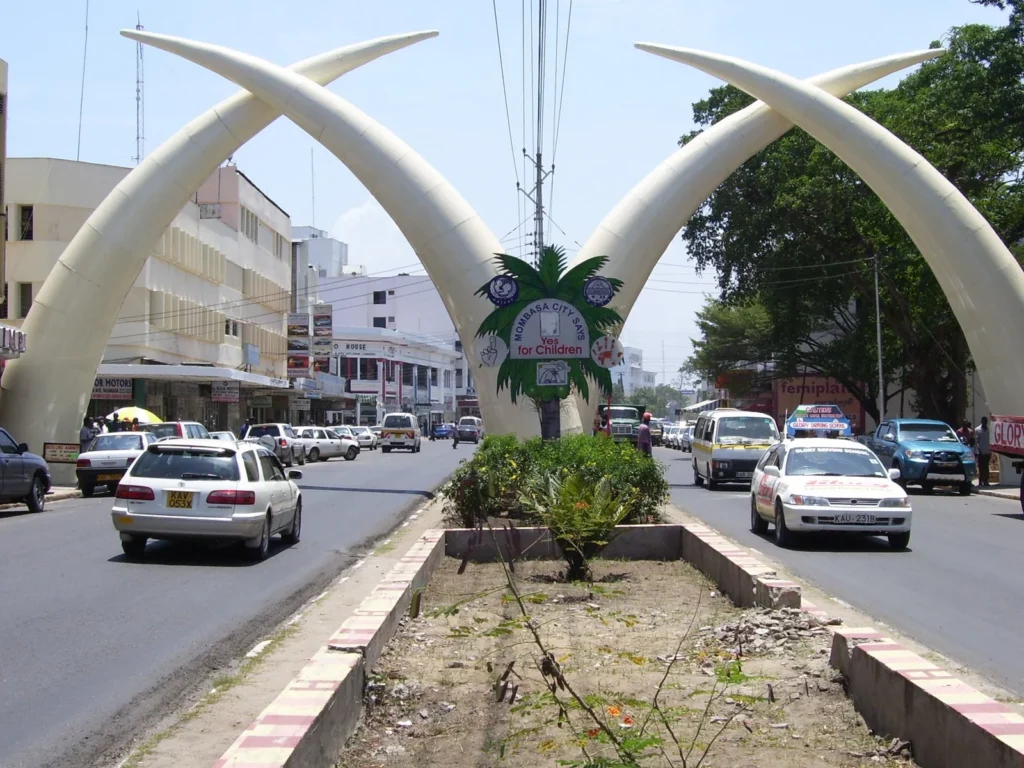
- Sticking to Nairobi, Mombasa, or the coast? A sedan or compact SUV is perfectly fine, and considerably cheaper.
- Heading into a national park or reserve? You’ll want a proper 4×4. Standard sedans cannot safely handle most park roads, particularly during and after the rainy seasons.
- Traveling as a group or family? A larger 4×4 or safari van keeps everyone together and splits the daily cost per person, often making it more affordable than it first appears.
- Serious about wildlife photography? Look for a 4×4 with a pop-up or open safari roof, which gives you an unobstructed view and shooting angle.
Driving in Kenya: What to Expect
Kenya drives on the left, the same as the UK and most of East Africa. Road quality varies significantly — highways connecting major cities are generally good, while rural and park roads range from graded gravel to rough, rutted tracks depending on the season. A few practical notes:
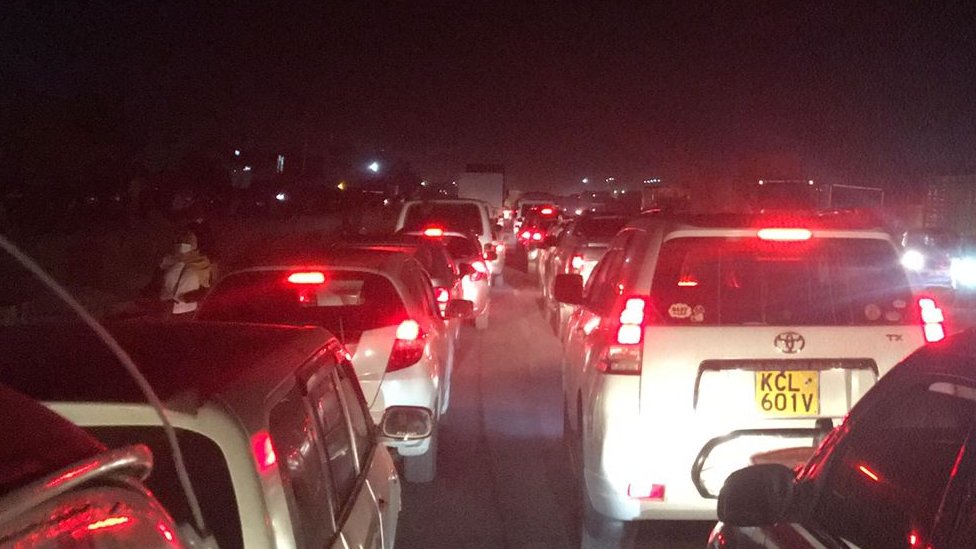
- Avoid driving after dark outside of major towns, where road hazards, pedestrians, and poor lighting increase risk.
- Police checkpoints are common on major routes; keep your documents accessible.
- Fuel stations can be sparse in remote areas, so top up whenever you pass a reliable one, not just when you’re running low.
- Rainy seasons (roughly March–May and October–December) can make murram roads difficult even for 4x4s — a driver-guide’s local knowledge is especially valuable during these months.
Best Regions to Explore by Rental Car
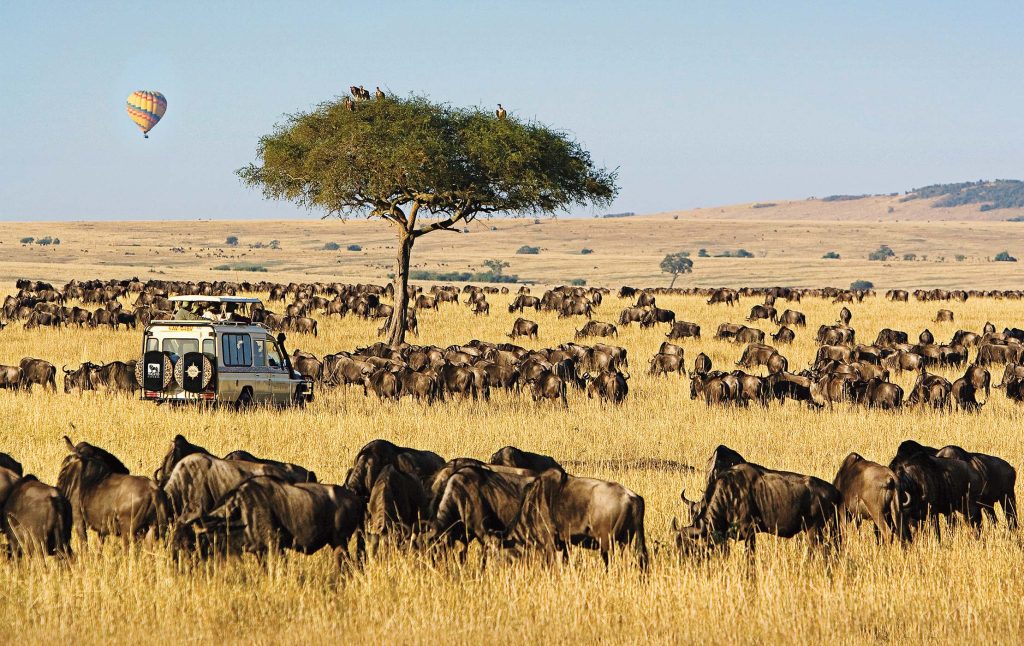
- The Maasai Mara — Kenya’s most famous reserve, best reached with a 4×4 and ideally a driver-guide familiar with wildlife movement patterns, especially during the Great Migration (roughly July–October).
- Amboseli National Park — known for its elephant herds and views of Mount Kilimanjaro, with relatively manageable roads for a self-drive 4×4.
- Lake Nakuru and the Rift Valley — a scenic, relatively easy self-drive route from Nairobi, good for a shorter trip.
- The Coast (Mombasa, Diani, Malindi) — mostly tarmac, well suited to a sedan or SUV rather than a full 4×4.
- Mount Kenya region — cooler highland driving with good infrastructure, popular for a multi-day loop combining nature and culture stops.
Tips for a Smooth Rental Experience
- Book ahead during peak season (July–October and December–January), when 4x4s in particular get booked out fast.
- Match the vehicle to your itinerary, not just your budget — an underpowered car on rough terrain costs more in delays and stress than it saves in daily rate.
- Get everything in writing: the rate, what’s included, the fuel policy, insurance terms, and any excess/liability in case of damage.
- Ask about 24/7 support. Breakdowns and flat tires happen on Kenyan roads; a company that’s reachable throughout your rental matters more than a slightly lower price.
- Confirm national park fees separately so there are no surprises at the gate.
- Consider a driver-guide for your first Kenya trip, particularly if your itinerary includes remote parks or a tight schedule you don’t want to risk on unfamiliar roads.
Final Thoughts
Renting a car in Kenya — whether self-drive or with a driver — is one of the best ways to experience the country on your own terms. The key is matching the right vehicle and level of support to your experience and itinerary, and building the full cost (fuel, park fees, insurance) into your budget from the start rather than being caught out later.
Planning a trip to Kenya? Get in touch with our team to find the right vehicle and driver option for your itinerary, with transparent pricing from day one. You can email to info@rentadriverkenya.com or call +256-700135510.
Note: Prices, fees, and requirements can shift with the season and fuel costs. Always confirm current rates and documentation when you book.