Everything You Need to Know Before Booking a Kenya Car Rental

Booking a Kenya car rental is easy. Booking the right one, with no surprises at pickup or return, takes a bit more care. Most problems travelers run into — unexpected fees, inadequate insurance, a vehicle that can’t handle the roads they planned — trace back to something that wasn’t confirmed before the booking was made. This article walks through exactly what to check before you commit, so your trip starts smoothly and stays that way.
1. Confirm What’s Actually Included in the Quote
The daily rate you’re quoted is rarely the full story. Before you book, get clear, written answers on:

- Is fuel included? Almost never — most Kenyan rental companies operate on a “dry hire” basis, meaning you return the car with the same fuel level it had at pickup.
- Is insurance included, and what does it cover? Ask specifically whether collision damage and theft are covered, and what your excess (the amount you’re liable for) would be in the event of a claim.
- Is mileage unlimited, or capped? Long safari routes can rack up serious distance, so a mileage cap can turn a good rate into an expensive one.
- Are there hidden extras? Airport pickup fees, GPS rental, child seats, and additional driver fees are commonly quoted separately — ask for the full list upfront.
A trustworthy company will give you this breakdown without hesitation. Vague or evasive answers are a warning sign.
2. Match the Vehicle to Your Actual Itinerary
Where you’re going should determine what you rent, not the other way around.
- City and coastal driving (Nairobi, Mombasa, Diani) — a sedan or compact SUV is sufficient and considerably cheaper.
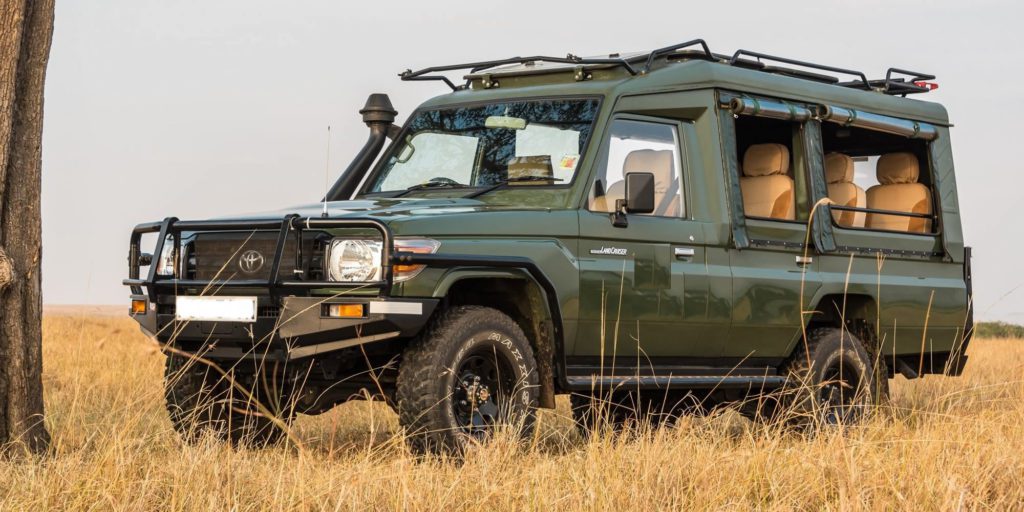
- National park and reserve visits — you need a genuine 4×4. Standard sedans cannot handle most park roads safely, particularly in the rainy seasons.
- Multiple parks or a long safari circuit — consider a 4×4 with a pop-up or open roof for game viewing, and factor in whether you want a driver-guide for the more remote stretches.
- Groups or families — a larger 4×4 or safari van often works out cheaper per person than two smaller vehicles, and keeps everyone together.
Be honest with the rental company about your full itinerary when booking, including any rough roads or remote parks, so they can flag if your chosen vehicle isn’t suited to it.
3. Decide Between Self-Drive and a Driver-Guide Early
This decision affects your budget, your itinerary planning, and how relaxed your trip will feel — so it’s worth settling before you start comparing quotes.
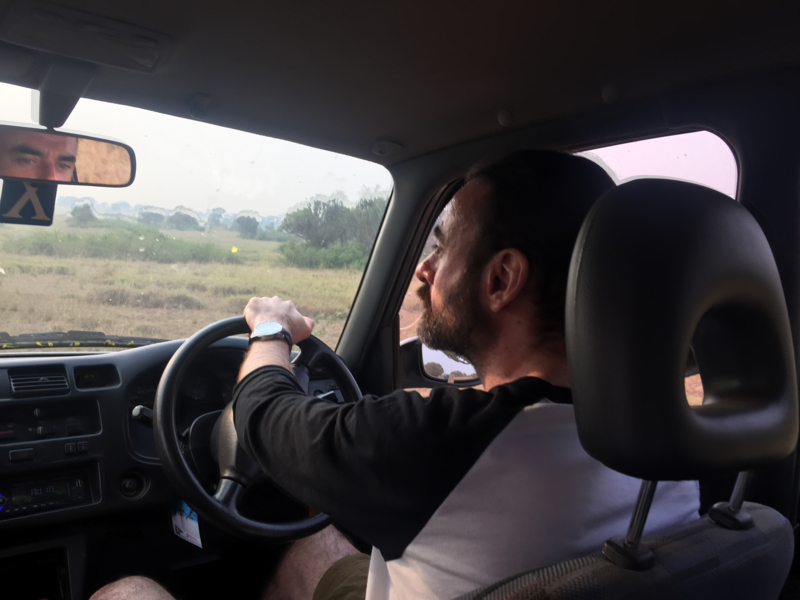
Self-drive is cheaper and gives you full independence, but it assumes comfort with left-hand traffic, unfamiliar roads, and navigating without local knowledge. A driver-guide costs more but removes the stress of navigation entirely, and brings real value in national parks — knowing where wildlife tends to gather, which tracks are impassable after rain, and how to move quickly through park gates and checkpoints.
If you’re unsure, ask the rental company whether they offer a middle option: a self-drive vehicle with a driver added at a modest daily rate. This is often the best value for first-time visitors who still want some independence.
4. Check the Company’s Reputation, Not Just Its Price
The cheapest quote isn’t always the best deal. Before booking, look into:
- Recent, specific reviews — a handful of generic five-star ratings tells you less than detailed, recent feedback about vehicle condition and customer service.
- A verifiable physical office or address. Companies with no fixed location are harder to hold accountable if something goes wrong.
- How they handle problems. Ask what happens if the car breaks down mid-trip — is there 24/7 support, and do they have a plan for getting you moving again?
- Whether they’ll put everything in writing. A company that’s reluctant to formalize the rental agreement and insurance terms is a red flag, regardless of how good the verbal promises sound.
5. Understand the Deposit and Payment Terms
Most Kenyan rental companies require a refundable security deposit, usually held on a credit card, sometimes accepted in cash. Before you book, confirm:
- The deposit amount and how it’s held (card hold vs. cash).
- When and how it’s refunded after the rental ends.
- What conditions could cause a deduction — unreturned fuel, damage, late return, or missing documents are the usual culprits.
If a company asks for full payment in cash upfront with no formal contract, treat that as a serious red flag.
6. Know the Documentation You’ll Need
Have these ready before you arrive to collect the vehicle:
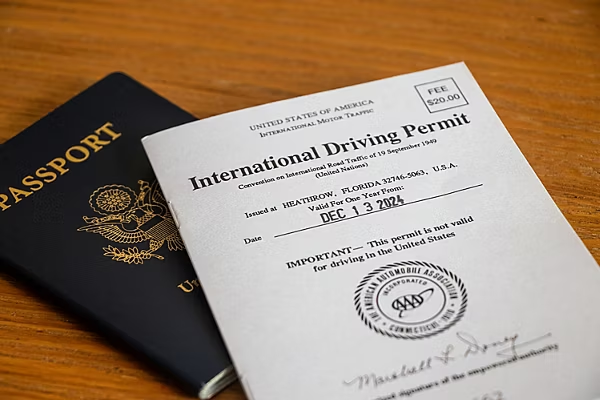
- A valid driving license, typically held for at least three years. An International Driving Permit alongside your home license is strongly recommended for foreign visitors.
- A valid passport, plus proof of your Kenyan visa or eTA.
- Minimum age proof. Most companies require drivers to be at least 23–25 years old, with a surcharge sometimes applied for drivers under 25.
If you’re planning to cross into Uganda or Tanzania during your trip, mention this at booking. Standard self-drive rentals in Kenya generally don’t permit border crossings without special documentation, including the vehicle logbook and East Africa cross-border insurance — this needs to be arranged in advance, not sorted out at the border.
7. Budget for What’s Outside the Rental Itself
A few costs sit outside the rental agreement but are easy to forget when budgeting:
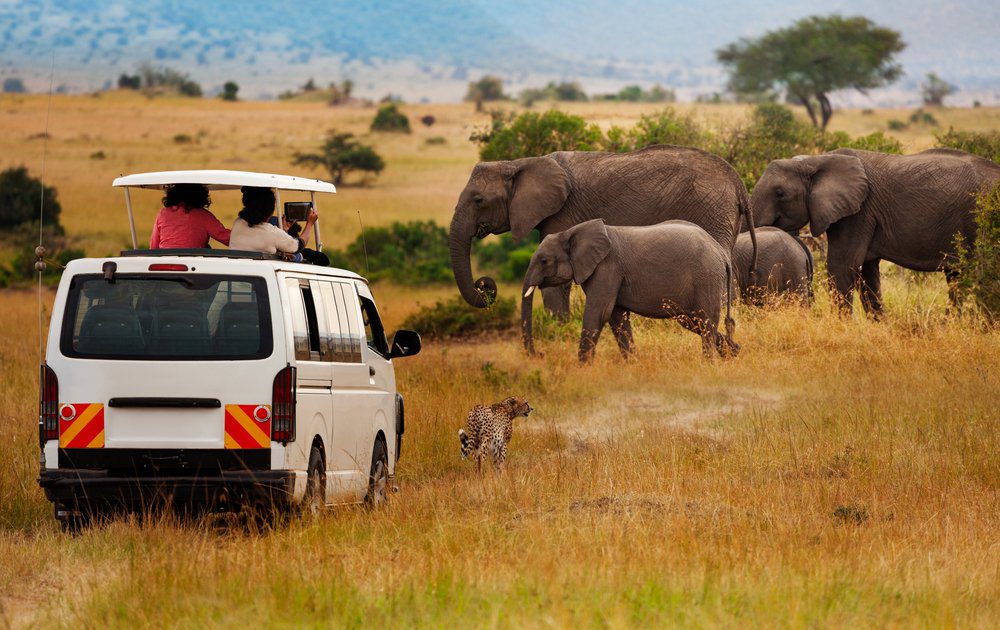
- National park entry fees, charged per person, per day by Kenya Wildlife Service, with foreign visitors paying higher rates than residents.
- Vehicle fees at certain reserves, notably the Maasai Mara, which are sometimes charged separately from person entry fees.
- Fuel, which is rarely included and can add up over a multi-day safari circuit.
- Tips for a driver-guide, if you go that route — a common courtesy, though not usually mandatory.
8. Inspect the Vehicle Before You Drive Off
Whatever company you book with, do a walk-around inspection at pickup. Photograph or film the car from all angles, noting any existing scratches, dents, or wear, and make sure this is acknowledged in writing or matches what’s already noted on the rental agreement. This single step prevents the vast majority of disputes that come up at drop-off.
9. Read the Cancellation and Amendment Policy
Travel plans change. Before you book, know:
- How far in advance you can cancel for a full refund.
- Whether dates or vehicle type can be changed without penalty.
- What happens if your flight is delayed and you need a later pickup time.
The Bottom Line
A smooth Kenya car rental experience comes down to asking the right questions before you pay a deposit, not after. Confirm what’s included, match the vehicle to your actual route, check the company’s track record, and get everything in writing. Do that, and the rental itself becomes the easy part of your trip.
Ready to book? Get in touch with Rent A Driver Kenya for a clear, upfront quote covering your vehicle, driver preference, and full itinerary — no surprises at pickup or return. You can email to info@rentadriverkenya.com or call +256-700135510.
Note: Prices, fees, and documentation requirements can change with the season. Always confirm current details with our team when you book.