Kenya Car Rental for Safari: Everything You Need to Know
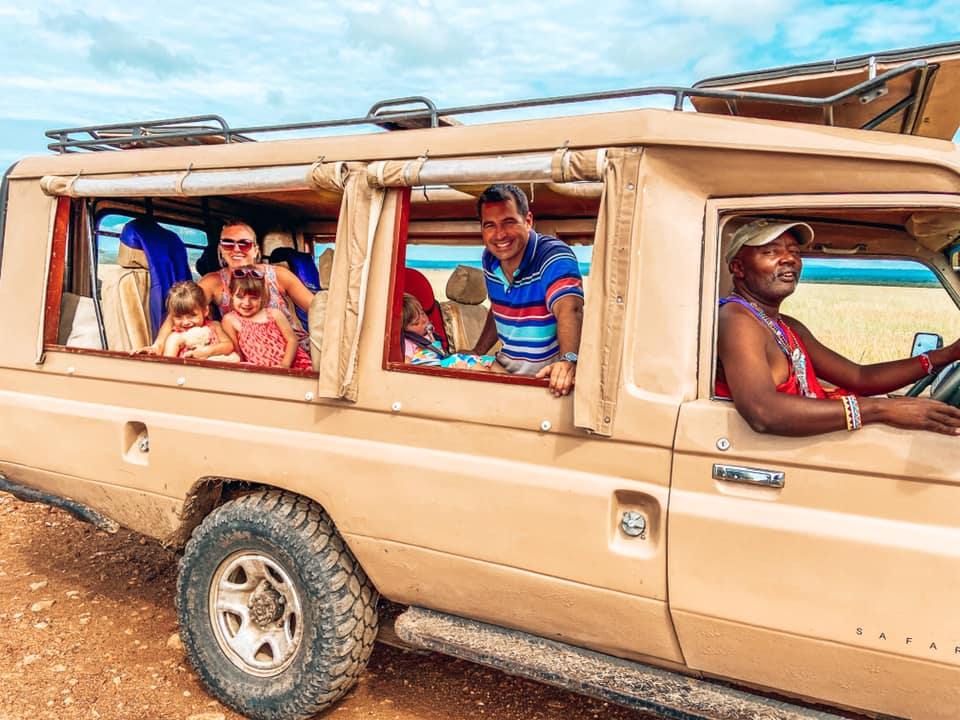
A Kenya safari is one of the world’s great wildlife experiences, and the vehicle you choose shapes almost everything about how that experience feels — how close you get to the action, how comfortable your long days are, and how smoothly you move between parks. This guide covers everything you need to know about renting a car for a safari in Kenya, from vehicle choice to park fees to the best time to go.
Why Your Vehicle Choice Matters More on Safari
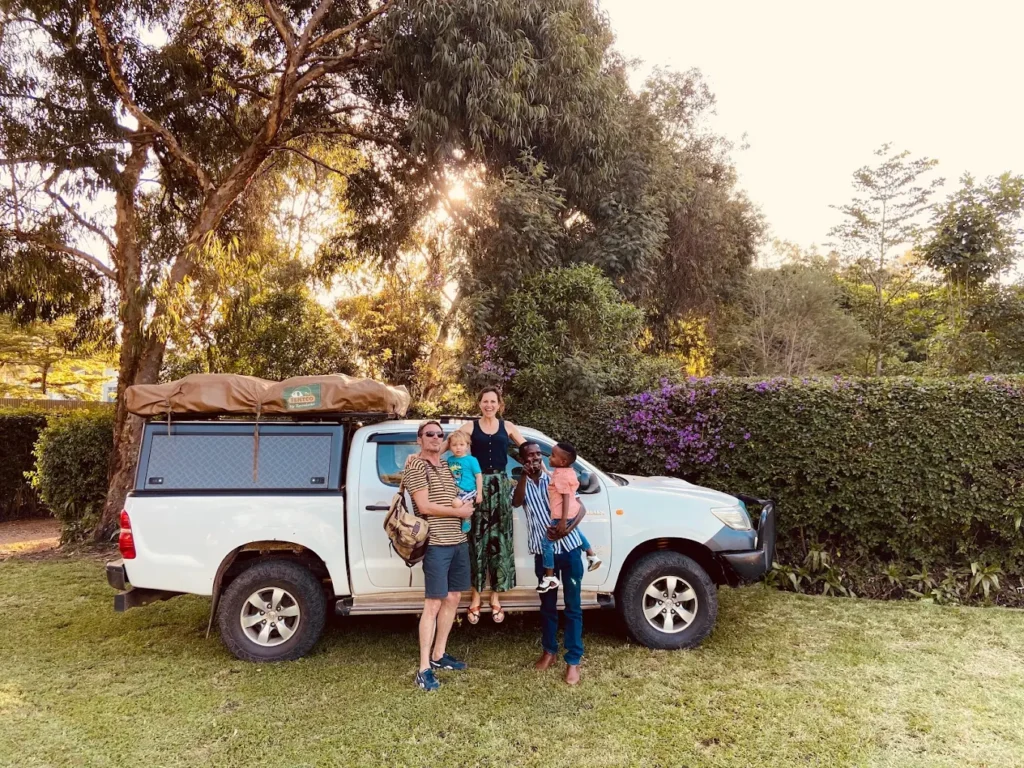
Unlike city driving, safari routes in Kenya take you onto graded gravel, rutted tracks, and river crossings that can turn impassable after rain. The wrong vehicle doesn’t just mean a rougher ride — it can mean missed game drives, getting stuck, or being turned away at a park gate altogether. Getting the vehicle right is the single biggest decision in planning a self-drive or driver-guided safari.
Self-Drive or Driver-Guided Safari?
Self-drive safaris appeal to experienced, confident drivers who want full control over their pace and route. It’s the more affordable option and gives you total flexibility to linger at a sighting or change your plan on the fly. It does, however, mean you’re responsible for navigation, spotting wildlife yourself, and handling park logistics without local guidance.

Driver-guided safaris pair you with someone who knows the terrain, the seasonal wildlife patterns, and the fastest way through park checkpoints. This matters more than it might seem — an experienced guide often means the difference between a good game drive and a great one, since they know where animals tend to gather at different times of day and year. For first-time visitors, families, or anyone without serious off-road driving experience, a driver-guide is generally the safer, more rewarding choice.
A popular middle ground: renting a self-drive 4×4 and adding a driver-guide for a modest daily rate on top, which keeps some independence while still benefiting from local expertise.
Choosing the Right Safari Vehicle
Not every rental vehicle is built for park roads. Here’s what to look for:
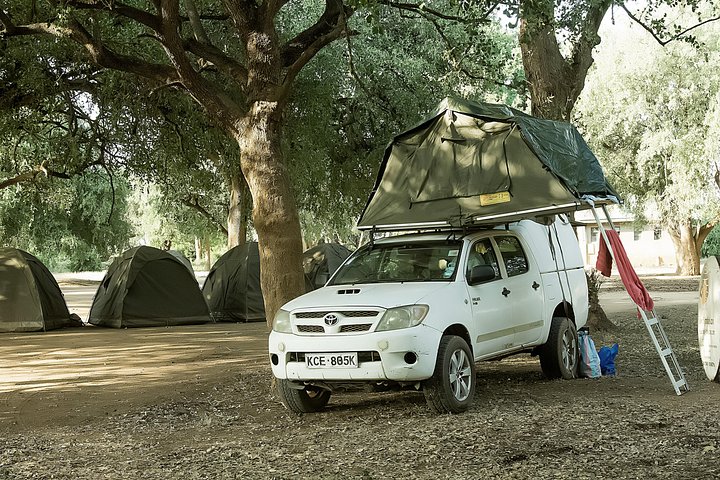
- 4×4 drive-train is non-negotiable. Standard sedans and even most crossovers cannot handle Kenya’s park roads, especially during and after the rains.
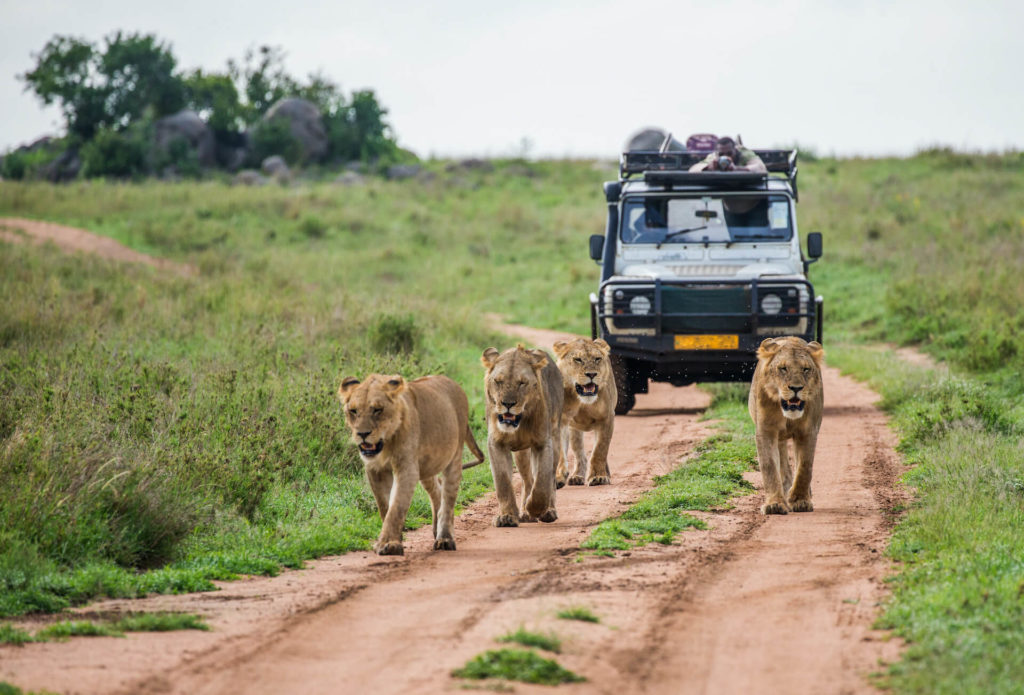
- Land Cruisers are the safari standard — rugged, high ground clearance, and widely available from Kenyan rental fleets.
- Pop-up or open safari roofs give you an unobstructed view and better angles for wildlife photography — worth the extra cost if photography is a priority.
- Consider group size. A larger 4×4 or safari van splits nicely across a group, often making the per-person cost lower than a smaller vehicle for two.
- Rooftop tents are available on some 4x4s for travelers combining a safari with self-drive camping, giving you a raised, secure sleeping spot right at your campsite.
What Does a Safari Rental Actually Cost?
Safari-ready 4x4s typically run from around $120 to $250 per day depending on the model, age, and features (pop-up roof, rooftop tent, etc.), with most rentals quoted excluding fuel. A driver-guide adds roughly $25–35 per day on top of the vehicle rate. Comprehensive insurance is sometimes bundled in, sometimes charged separately — always confirm this before booking, along with whether mileage is capped, since safari circuits can cover long distances over several days.
Don’t Forget Park Fees
Vehicle rental is only part of your safari budget. Kenya Wildlife Service (KWS) charges entry fees per person, per day, for foreign visitors, calculated from your entry time rather than the calendar day — so a late-afternoon entry can effectively buy you time into the next day. On top of person fees, some reserves charge a separate vehicle fee, with the Maasai Mara (managed by the county rather than KWS) being a notable example. Always confirm the current fee structure for each park on your route before you arrive, since it varies park by park.
Best Parks for a Self-Drive or Driver-Guided Safari
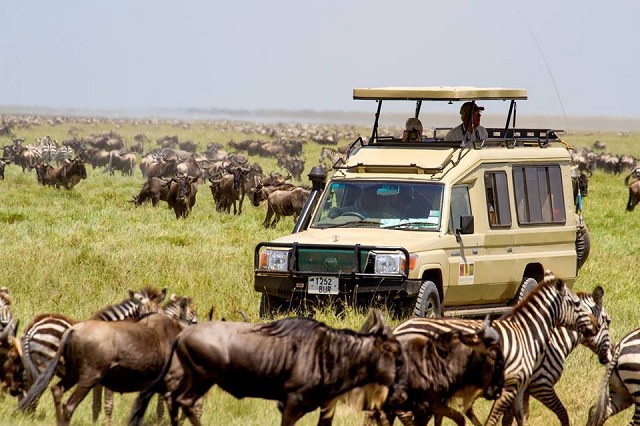
- Maasai Mara — Kenya’s most famous reserve, essential for a 4×4 and best experienced with a driver-guide who knows current wildlife movement, especially during the Great Migration (roughly July–October).
- Amboseli National Park — known for large elephant herds and Kilimanjaro views, with relatively manageable roads for confident self-drivers.
- Lake Nakuru National Park — a compact, well-maintained park with good road quality, popular for a shorter or first-time self-drive safari.
- Tsavo East and West — vast, remote, and rewarding for travelers wanting fewer crowds, though the size and remoteness make a driver-guide especially valuable here.
- Samburu National Reserve — home to species not found further south, with rougher roads that benefit from local driving experience.
Best Time for a Kenya Safari
- July–October: the Great Migration in the Maasai Mara, and generally dry roads — the busiest and most sought-after window, so book vehicles well in advance.
- January–February: also dry and good for game viewing, with fewer crowds than the migration season.
- March–May and October–December: Kenya’s rainy seasons. Wildlife viewing can still be excellent, but park roads become significantly harder, and a driver-guide’s local knowledge of which tracks are passable becomes especially valuable.
Practical Tips for a Smooth Safari Rental
- Book your 4×4 well ahead of peak season — safari-ready vehicles are the first to sell out during July–October and December–January.
- Confirm the insurance and mileage terms in writing before you commit, since safari routes can rack up significant distance.
- Ask about 24/7 support. Breakdowns happen in remote areas, and a company reachable throughout your trip matters far more than a slightly lower rate.
- Photograph the vehicle at pickup to avoid disputes over existing wear when you return it.
- Pack for the season. Rainy months call for waterproof gear and flexible timing; dry months call for sun protection and extra water.
- Budget separately for park fees and fuel, which sit outside the rental agreement itself.
Final Thoughts
A great Kenya safari starts with the right vehicle and the right level of support for your experience and itinerary. Whether you choose full independence behind the wheel or the local expertise of a driver-guide, matching your choice honestly to your comfort level — and budgeting for park fees and fuel alongside the rental — sets you up for a smooth, memorable trip.
Planning your safari in Kenya? Get in touch with Rent A Driver Kenya for a transparent quote on self-drive or driver-guided 4×4 rentals, tailored to your parks and dates. You can email to info@rentadriverkenya.com or call us now on +256-700135510.
Note: Prices, park fees, and seasonal conditions can change. Always confirm current details with our team and the relevant park authority before you travel.