Kenya Safari Packing List: What to Pack for Every Season
#image_title
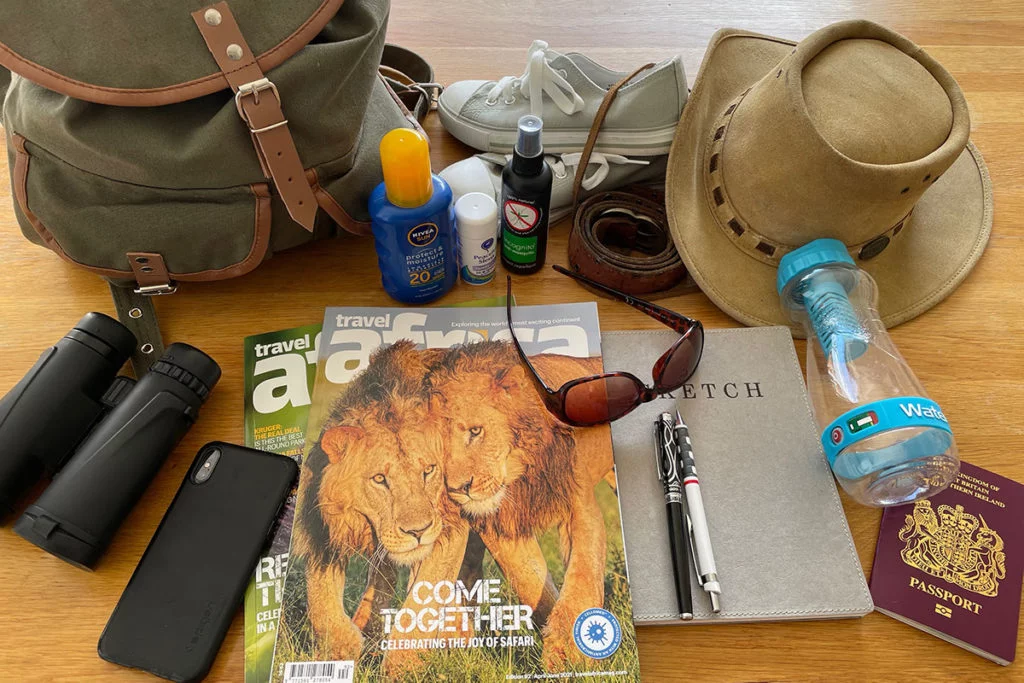
What you need to pack for a Kenya safari depends heavily on when you’re traveling. Dawn game drives can be surprisingly cold even in the hottest months, dust is a constant companion in the dry season, and the rains bring their own set of packing priorities. This guide breaks down exactly what to bring, organized by what matters year-round and what changes with the season.
The Essentials for Any Kenya Safari
Regardless of when you travel, a few things belong in every safari packer’s bag:
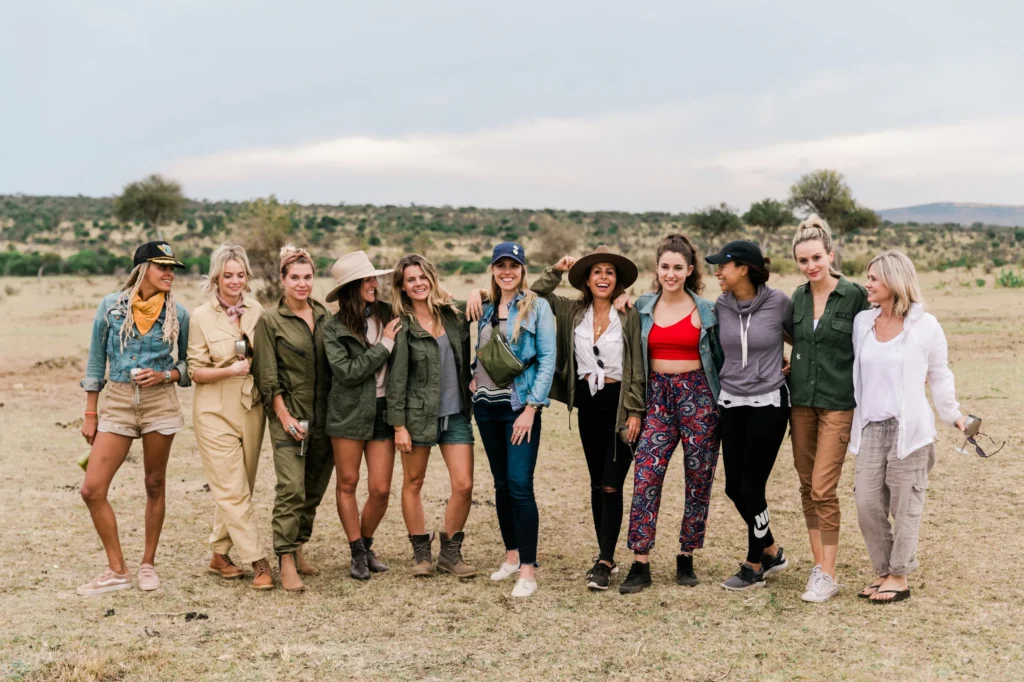
- Neutral-colored clothing (khaki, olive, tan, brown) — bright colors and pure white can startle wildlife and show dust quickly; avoid dark blue and black, which attract tsetse flies in some regions.
- A wide-brimmed hat and sunglasses — sun exposure during midday game drives is intense, even under cloud cover.
- Sunscreen and insect repellent — Kenya sits near the equator, and sun strength is easy to underestimate.
- A light jacket or fleece — early morning game drives start cold, even in the middle of the dry season, since open safari vehicles and pre-dawn starts mean genuinely chilly air.
- Comfortable, closed-toe shoes — for walking safaris, bush stops, and simply moving around camps and lodges safely.
- A reusable water bottle — staying hydrated matters more on safari than people expect, particularly during long game drive days.
- Binoculars — most lodges and guides carry some, but your own pair means you’re never sharing during a good sighting.
- A basic first-aid kit — plasters, antihistamines, rehydration salts, and any personal medication.
- Power bank and universal adapter — camps and lodges vary in how reliable their power supply is.
- Cash in small denominations — for tips, park entry incidentals, and curio purchases where cards aren’t accepted.
Packing for the Dry Season (June–October, January–February)
This is Kenya‘s most popular safari window, including the Great Migration months in the Maasai Mara. Roads are firmer, game viewing is excellent, but conditions bring their own packing needs.
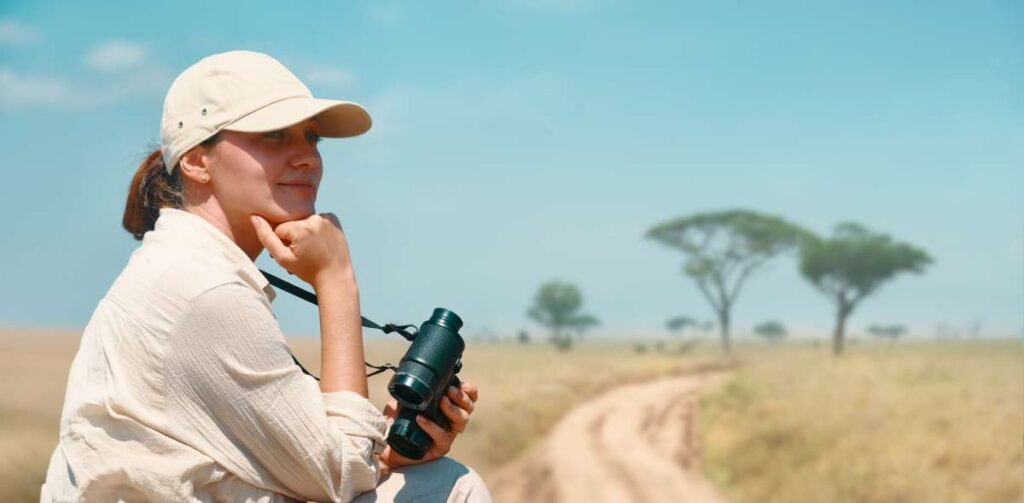
- Dust protection matters. A buff or light scarf to cover your nose and mouth on dusty roads makes a real difference, especially in an open-sided safari vehicle.
- Extra layers for early starts. Dry-season mornings, particularly at higher altitudes like the Mara or Aberdares, can dip close to freezing before sunrise.
- Lip balm and moisturizer. Dry air and dust combine to dehydrate skin faster than most travelers expect.
- A daypack for game drives, to keep your camera, water, and layers organized as temperatures shift through the day.
- Book vehicles and camps early — this is peak season, and both fill up well in advance.
Packing for the Rainy Season (March–May, October–December)
Kenya has two rainy seasons: the “long rains” (roughly March to May) and the “short rains” (roughly October to December). Wildlife viewing remains good, landscapes turn lush and green, and crowds thin considerably — but packing needs shift.
- A proper rain jacket, ideally packable, rather than relying on a poncho that struggles in wind.
- Waterproof footwear or gaiters — muddy tracks and standing water are common on park roads during these months.
- Quick-dry clothing — humidity means cotton stays damp longer than synthetic or technical fabrics.
- A dry bag or waterproof camera cover for electronics during sudden downpours.
- Extra flexibility in your itinerary — some park roads become genuinely difficult after heavy rain, so build slack into your schedule rather than a tight back-to-back plan.
- A driver-guide’s local knowledge becomes especially valuable in this season, since knowing which tracks are currently passable can save an entire day.
Camera and Photography Gear
If wildlife photography is a priority:
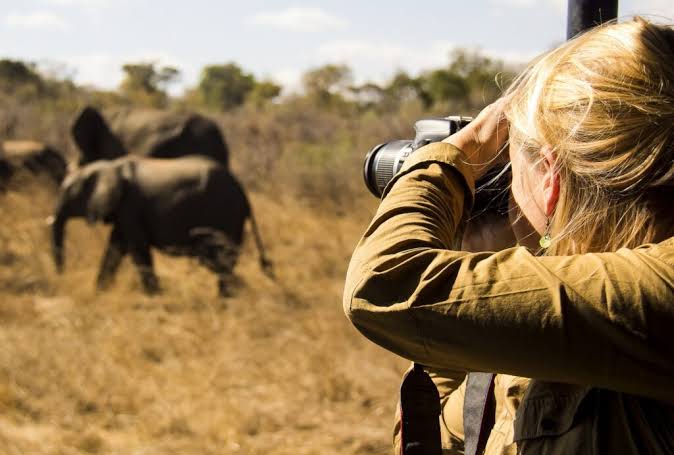
- A zoom lens (ideally 200mm or longer) for safe-distance wildlife shots.
- Extra batteries and memory cards — charging opportunities can be limited at remote camps.
- A beanbag or window mount for stabilizing shots from inside the vehicle, since tripods are impractical on a moving game drive.
- Dust-proof camera bags, particularly important during the dry season.
What to Leave at Home
- Camouflage clothing — in many African countries, camouflage-patterned clothing is restricted to military use and can cause issues at customs.
- Heavy, hard-sided luggage — most safari vehicles and small aircraft transfers have limited space; soft-sided duffel bags pack far more efficiently.
- Excess valuables — leave anything you’d be devastated to lose at home; camps and lodges generally have safes, but a self-drive safari means more time with belongings in the vehicle.
A Quick Seasonal Checklist
Dry season additions: dust buff, extra warm layers for dawn drives, lip balm, sun protection Rainy season additions: rain jacket, waterproof footwear, dry bag, flexible itinerary buffer Every season: neutral clothing, sun hat, insect repellent, light jacket, binoculars, first-aid basics, cash, power bank
Final Thoughts
The core of a good Kenya safari packing list doesn’t change much between seasons — neutral clothing, sun protection, and layers for cold mornings are constants. What shifts is how much you plan for dust versus mud, and how much flexibility you build into your itinerary. Pack for the season you’re actually traveling in, and let your vehicle and driver-guide handle the rest.
Planning a Kenya safari? Get in touch with Rent A Driver Kenya for a well-equipped 4×4 and, if you’d like, an experienced driver-guide who knows exactly what each season’s roads and wildlife have in store. You can email directly to info@rentadriverkenya.com or call us now on +256-700135510.