First Time Safari in Kenya: 20 Things Nobody Tells You
Most safari guides cover the basics — what to pack, which parks to visit, when to go. This article covers the things that rarely make it into those lists: the small, practical realities that shape how a first Kenya safari actually feels once you’re on the ground.
1. Mornings Are Genuinely Cold
Even in the hottest months, pre-dawn game drives start cold — sometimes close to freezing at higher-altitude parks like the Maasai Mara. First-timers consistently underestimate this and end up shivering through the best light of the day. Layer up before you leave camp; you can always shed clothes as the sun climbs.
2. Sightings Aren’t Guaranteed, Even in the “Best” Season
The Great Migration, the Big Five, that perfect leopard-in-a-tree shot — none of it is scripted. Wildlife moves on its own schedule, and even experienced guides can’t promise a specific sighting on a specific day. Go in with realistic expectations, and the sightings you do get will feel like genuine moments rather than checked boxes.
3. Your Guide’s Radio Chatter Is a Superpower
Guides constantly share sighting information over radio with other vehicles in the area — it’s one of the main reasons driver-guided safaris outperform self-drive ones for wildlife viewing. If you’re self-driving, you’re missing this entire information network.
4. Dust Gets Into Everything
Not just your clothes — your camera gear, your phone, your snacks if you’re not careful. A dust cover or buff for your face on open-vehicle drives makes a bigger difference than people expect, especially during the dry season.
5. There’s a Real Difference Between Reserves and Conservancies
The Maasai Mara National Reserve and the private conservancies bordering it operate under different rules. Conservancies typically limit vehicle numbers per sighting and allow off-road driving and night drives, which the main reserve doesn’t. If close, uncrowded wildlife encounters matter to you, ask specifically about conservancy access when booking.
6. Off-Roading Is Sometimes Illegal — and Sometimes Not
Driving off marked tracks to get closer to wildlife is banned in some parks and reserves and permitted (in a controlled way) in certain conservancies. This varies significantly by location, so don’t assume the rules from one park apply to the next.
7. Vehicles Do Get Stuck
Mud, especially during the rains, can genuinely trap even a capable 4×4. It’s usually resolved within minutes with the help of another vehicle or a bit of digging, but it’s a normal part of safari life, not a sign anything’s gone wrong.
8. Standing Through the Roof Hatch Has Its Own Etiquette
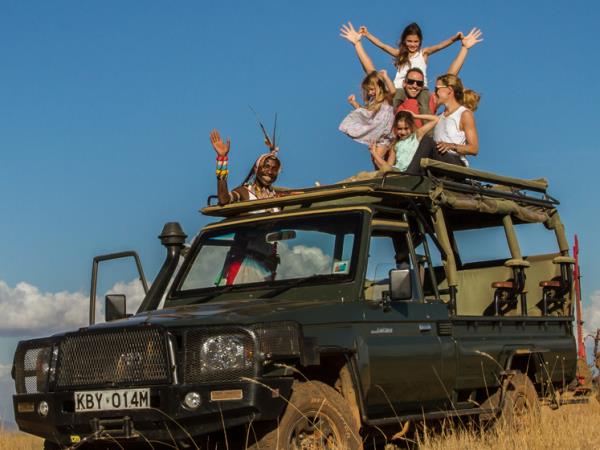
Pop-up roof vehicles let you stand for photos and viewing, but there’s an unspoken order to it during a sighting — give others a turn, keep noise down, and follow your guide’s cues about when it’s safe and appropriate to stand.
9. Sunset Has a Hard Cutoff
Most parks require vehicles to be back at the gate or camp by a set time around sunset, strictly enforced. Your guide will factor this into the day’s plan, but it’s worth knowing this isn’t flexible — a great late sighting sometimes has to be cut short to make it back in time.
10. Cash Still Matters
Camps and lodges often accept cards, but tips, small purchases at curio stands, and some park incidentals are cash-only. Carry a mix of small-denomination Kenyan shillings and US dollars.
11. Tipping Is Customary, But Not Fixed
Tipping guides, drivers, and camp staff is standard practice, though there’s no single “correct” amount — it varies by trip length, group size, and service level. Many camps have a communal staff tip box in addition to individual driver-guide tips; ask your operator for typical local guidance before you travel.
12. Phone Signal Disappears Fast
Once you’re deep into a reserve, expect little to no signal. Most camps offer some WiFi in communal areas, but treat connectivity as a bonus, not a given, especially in remote parks like Tsavo or Samburu.
13. The Best Seat Isn’t Always the Front
Front seats get the smoothest ride, but rear or elevated seats in a pop-up roof vehicle often give better photo angles and viewing sightlines over the vehicle’s hood and other passengers. Ask your driver-guide for seating advice based on what you care most about.
14. Roads Are Genuinely Bumpy
Even well-graded park roads involve a lot of jostling. It’s worth packing motion sickness remedies if you’re prone to them, and keeping loose gear secured so it doesn’t fly around during rougher stretches.
15. Malaria Prevention Is Worth Taking Seriously
Much of Kenya’s safari country sits in malaria-risk zones. Speak to a travel health professional well before your trip about antimalarial medication, and pack a reliable insect repellent for dawn and dusk game drives when mosquitoes are most active.
16. Weather Can Shift Within a Single Day
A cold, misty morning can turn into a hot, dusty afternoon by midday, especially in the dry season. Dressing in layers isn’t just a packing tip — it’s a practical necessity for comfort across a single game drive.
17. Not Every Park Requires a 4×4 — But Most Do
Lake Nakuru and a handful of other parks have relatively good road quality that a capable SUV can handle. The Mara, Amboseli’s rougher sections, Tsavo, and Samburu genuinely need a proper 4×4 — don’t assume one vehicle suits every park on a multi-stop itinerary.
18. Laundry Service Is Common at Camps
Most safari camps and lodges offer same-day or next-day laundry, which means you can pack lighter than you think. This is especially useful if your trip includes a small-plane transfer with strict luggage weight limits.
19. Small Plane Transfers Have Real Luggage Limits
If your safari includes a light aircraft transfer between parks, luggage is typically capped at around 15kg in a soft-sided bag, sometimes less. Confirm this early — it affects your entire packing strategy, not just what you bring to the airport.
20. The Big Five Isn’t the Whole Point
Lion, leopard, elephant, buffalo, and rhino get all the attention, but first-timers often find some of their most memorable moments come from unexpected sightings — a cheetah family, a giraffe silhouette at sunset, a bird they’d never heard of before. Going in focused only on ticking off the Big Five can mean missing what actually makes the trip special.
Final Thoughts
None of these things will derail a first Kenya safari — most travelers barely notice them, because a good guide and a well-prepared vehicle absorb the friction before it becomes a problem. But knowing what to expect ahead of time means you spend less energy adjusting and more time actually enjoying the experience.
Planning your first Kenya safari? Contact Rent A Driver Kenya for a well-equipped 4×4 and an experienced local driver-guide who can turn these small realities into a smooth, memorable trip.