Uganda vs Kenya: Which Is Better for a Self-Drive Safari?
#image_title
Few travel experiences match the thrill of a self-drive safari in East Africa. You wake before sunrise, load the vehicle, and head into the bush with nothing but a map, a thermos of coffee and a sense of anticipation. You decide where to go, how long to stay at a sighting and when to move on. It is your safari, on your terms.
When travellers begin planning a self-drive safari in East Africa, two names rise to the top: Kenya and Uganda. Kenya is the classic safari country, home to the Maasai Mara, the Great Migration and a tourism industry built over decades. Uganda is the adventurous neighbour, offering quieter parks, the source of the Nile, mountain gorillas and chimpanzees, all in a compact country that is easy to cover by road.
So which one is better for you? The honest answer depends on what you want from the trip. This in-depth comparison looks at both countries side by side: the parks, wildlife, roads, costs, safety, logistics and overall experience. By the end, you will know which destination fits your style of self-drive safari, and how to prepare for it.
What Does a Self-Drive Safari Involve?
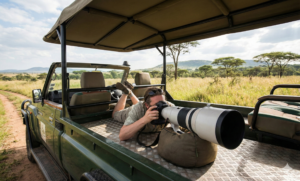
A self-drive safari means renting a vehicle, usually a 4×4 or high-clearance SUV, and driving yourself between national parks, reserves and lodges. Inside the parks, you follow marked tracks and spot wildlife at your own pace, without a guide or a shared minibus.
The main advantages are clear:
- Flexibility. You set the schedule. If a lion pride is resting beside the track, you can watch for as long as you like.
- Value. Without a private driver-guide, and with the option to camp or self-cater, a self-drive safari can cost noticeably less than a fully guided trip.
- Privacy. Your vehicle becomes your own viewing platform, and the trip stays entirely yours.
The trade-offs are real too. You need to be comfortable navigating, driving on rough tracks and solving small problems yourself. You also lose the expert eyes and local knowledge of a professional guide. Some travellers choose a hybrid, with a self-drive rental for the easier parts of the journey and a driver-guide or ranger for the more demanding stops. We return to that idea later.
Kenya for a Self-Drive Safari
Kenya is the birthplace of the modern safari, and it remains one of the most iconic destinations on the continent.
The Parks
Kenya’s most popular parks for a self-drive safari include:
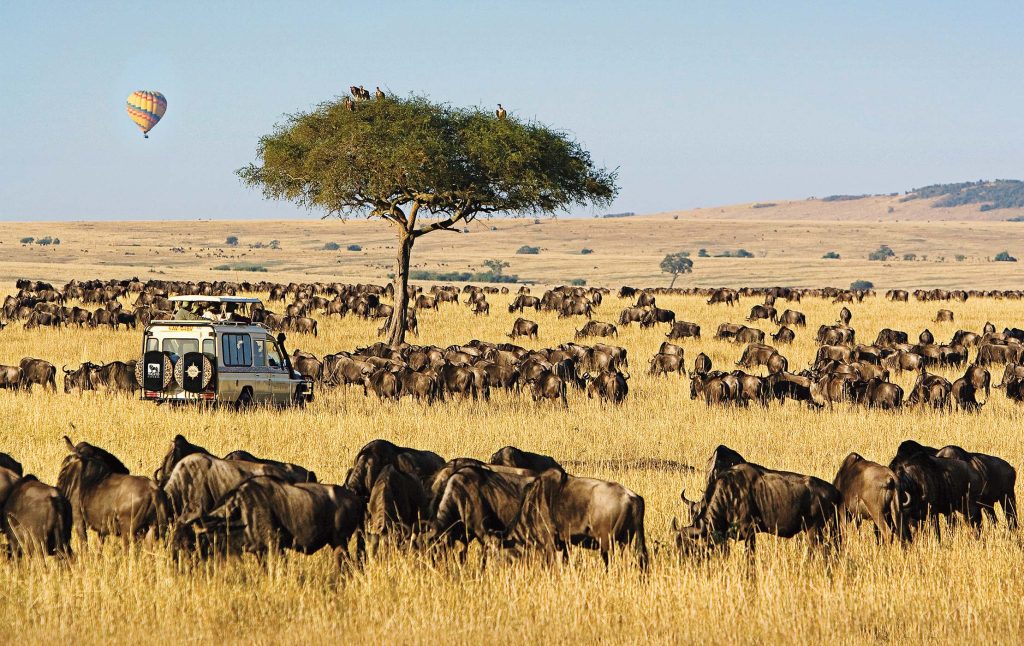
- Maasai Mara National Reserve. The country’s headliner, famous for vast open plains, predators and the annual wildebeest migration. Self-drive is possible in the national reserve, though many surrounding conservancies have their own rules and often require guides or restrict off-road driving.
- Amboseli National Park. Known for large elephant herds set against views of Mount Kilimanjaro on clear days.
- Tsavo East and Tsavo West. Huge, wild parks with red-dust landscapes, big elephants and fewer crowds. They suit self-drivers well because of their size and relatively simple layouts.
- Lake Nakuru National Park. A compact, scenic park with rhinos, giraffes and lakeside birdlife, and a good choice for first-time self-drivers.
- Samburu and Lake Naivasha. Samburu offers unique northern species, while Naivasha suits relaxed boat trips and cycling or walking safaris at nearby Hell’s Gate.
- Nairobi National Park. A wildlife park on the edge of the capital, ideal for a short drive on arrival or departure day.
The Wildlife
Kenya’s open savannahs make game spotting easier for self-drivers. The Big Five (lion, leopard, elephant, buffalo and rhino) can all be found in the country, with the Maasai Mara and Lake Nakuru among the best-known places to try. The Mara’s predator density is exceptional, and from roughly July to October the migration brings huge herds and dramatic river crossings, though exact timing varies each year.
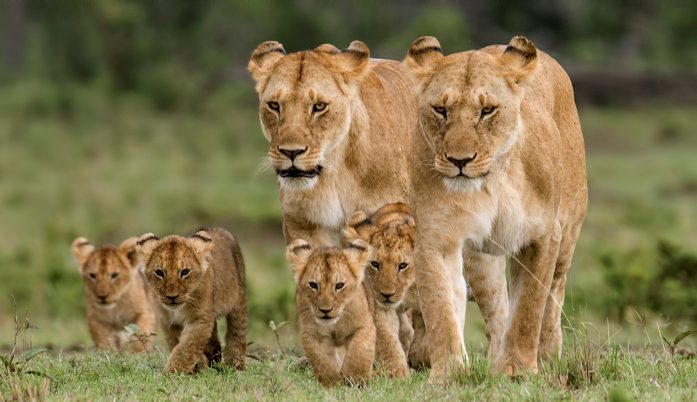
Kenya does not offer mountain gorillas, though it has excellent primate and birdlife in other areas. The strength of a Kenyan self-drive safari is the classic open-plains game viewing.
The Roads and Logistics
Main highways linking Nairobi with major towns are generally paved, but conditions vary, and some routes are busy with trucks and buses. Road quality drops quickly once you leave the main routes, particularly around the Maasai Mara, where rough tracks, corrugations and muddy “black cotton” soils can trap vehicles during the rains. A 4×4 with good clearance is strongly recommended. Nairobi traffic can be heavy, so it pays to plan your departure times. Kenya, like Uganda, drives on the left.
The Cost
Kenya’s safari infrastructure is extensive, with options from budget campsites to luxury tented lodges. However, popular parks, especially the Maasai Mara in peak season, can be expensive. Entry fees for non-resident visitors are charged in US dollars, and rates change by park and season, so check the latest published fees before you travel. Many Kenyan parks now use cashless payment systems, which you should confirm in advance.
The Drawbacks
- Crowds. Famous areas, especially the Mara during the migration, can be very busy, with many vehicles at the same sighting.
- Higher costs in peak areas. Park fees and lodges near popular sights can add up quickly.
- Tricky tracks. Mud, corrugations and river crossings can be demanding for inexperienced drivers.
- Traffic. Nairobi and major highways can be congested and challenging.
- Security awareness. As with any destination, check your government’s travel advice and avoid areas flagged as higher risk, particularly some northern and border regions.
Uganda for a Self-Drive Safari
Uganda is often called the “Pearl of Africa,” and for good reason. In one compact country, you can see savannah wildlife, rainforest primates, crater lakes and the beginning of the world’s longest river.
The Parks
Uganda’s headline parks for a self-drive safari include:
- Murchison Falls National Park. The country’s largest park, where the Nile roars through a narrow gorge before spreading across open savannah. Look for elephants, giraffes, buffalo, lions, hippos and crocodiles, plus a river launch cruise.
- Queen Elizabeth National Park. Known for tree-climbing lions in the Ishasha sector, the Kazinga Channel’s hippo and elephant gatherings, and dramatic crater lakes.
- Lake Mburo National Park. The closest savannah park to Kampala, with zebras, impalas and giraffes in a pleasant, relaxed setting.
- Kidepo Valley National Park. Remote and dramatic, best for adventurous drivers who want true wilderness.
- Bwindi, Mgahinga and Kibale. These forests are famous for mountain gorillas and chimpanzees.
The Wildlife
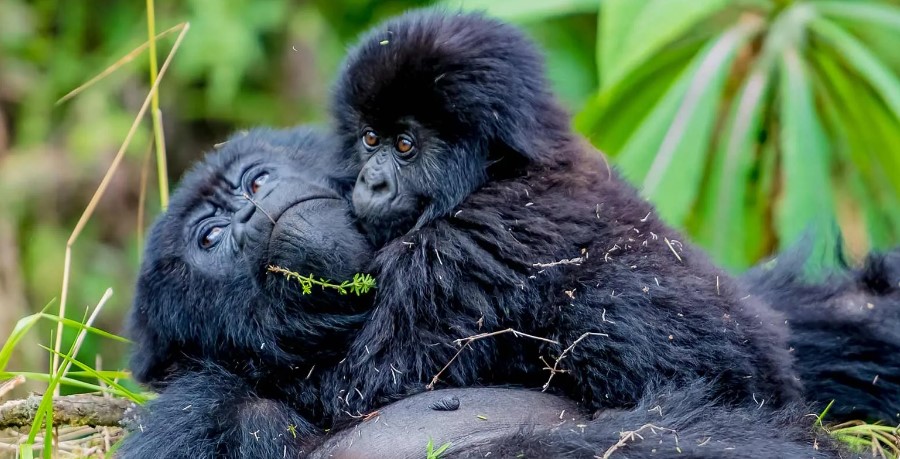
Uganda offers something Kenya cannot match: mountain gorilla trekking and some of the best chimpanzee trekking in Africa. Savannah parks add lions, elephants, buffalo, giraffes and hippos, along with more than a thousand recorded bird species. Rhinos are only found at Ziwa Rhino Sanctuary, where they have been reintroduced, so you will not see the full Big Five in the wild in Uganda in the same way you can in Kenya.
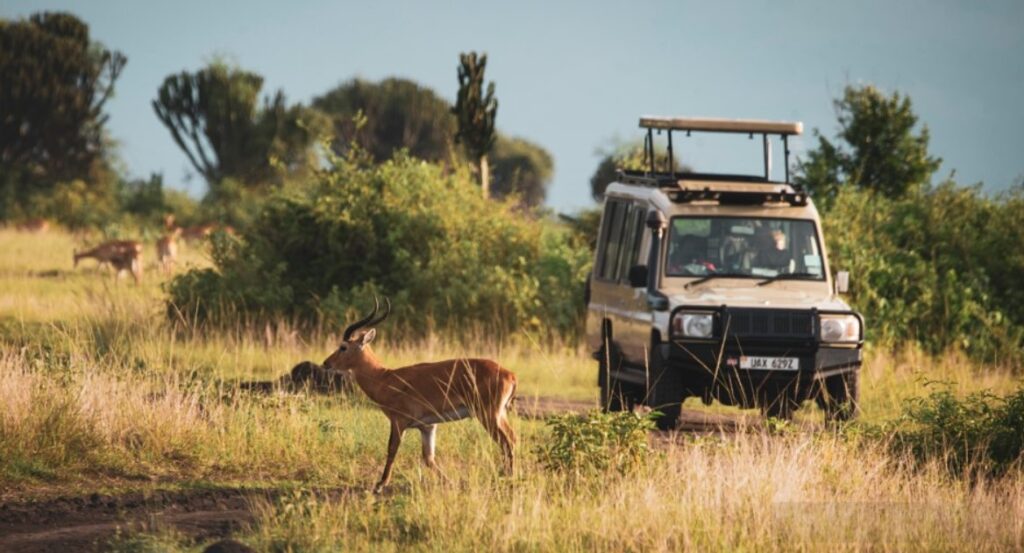
Many travellers choose Uganda precisely because it lets them combine a classic self-drive safari with a primate trek in a single trip.
The Roads and Logistics
Major roads from Kampala to large towns are mostly paved and improving, but secondary roads and park tracks can be rough, dusty or slippery in the rains. A 4×4 with good ground clearance is strongly recommended, especially for Murchison Falls, Queen Elizabeth, Kidepo and the forest parks. Fuel is available in towns but rarely inside parks, so fill up before you enter. Drivers should also be ready for boda-bodas, pedestrians and livestock, and should avoid driving after dark. Offline maps are very helpful.
The Cost
Uganda can offer excellent value for accommodation, food and fuel, with a wide range from budget campsites to high-end lodges. Park entry fees for non-residents are charged in US dollars, and gorilla trekking permits are priced at a premium, so factor them into your budget early. Overall, a self-drive safari in Uganda often costs less than a comparable trip in Kenya’s busiest parks, especially outside gorilla trekking days.
The Drawbacks
- Rougher roads. Plan for slower journeys than the map suggests.
- No full Big Five in the wild. Rhinos are mainly seen at Ziwa.
- Smaller self-drive culture. Fewer travellers drive themselves, so a reliable rental partner matters more.
- Health precautions. Malaria prophylaxis and yellow fever documentation are important, so consult a travel clinic before you go.
Head-to-Head: Uganda vs Kenya
Here is how the two destinations compare, category by category.
Wildlife variety. Kenya wins for classic open-plains game viewing and the Big Five. Uganda wins for diversity, because it adds primates, forests, birds and the Nile alongside savannah wildlife.
Iconic experiences. Kenya has the Great Migration. Uganda has mountain gorillas, chimpanzees, tree-climbing lions and the source of the Nile. Both offer experiences you will remember for life.
Crowds. Uganda is generally quieter. You can drive for long stretches without seeing another vehicle, which gives a self-drive safari there a more private, exploratory feel. Kenya’s top parks, especially in peak season, are busier.
Road quality. Both countries have decent main routes and tougher park tracks. Neither is easy off the highway, so a 4×4 is the sensible choice in each. Kenya’s heavy traffic around Nairobi can be demanding, while Uganda’s boda-bodas and village roads require extra attention.
Ease of planning. Kenya has a longer self-drive tradition and more established infrastructure. Uganda takes a little more preparation, but a good local rental company can make it just as smooth.
Cost. Kenya can be pricey in peak areas, while Uganda tends to offer better value on lodging and meals, balanced by high gorilla permit costs. Park fees are charged in US dollars in both countries.
Safety. Both require sensible precautions: avoid night driving, lock your vehicle, stay aware of your surroundings and check current travel advice. Inside the parks, both are well managed.
Adventure factor. Uganda leads for travellers who want something wilder and less commercial. Kenya leads for travellers who want the famous safari scenes they have seen on screen.
Which Is Better for You?
There is no single winner, but there are clear matches.
Choose Kenya for your self-drive safari if:
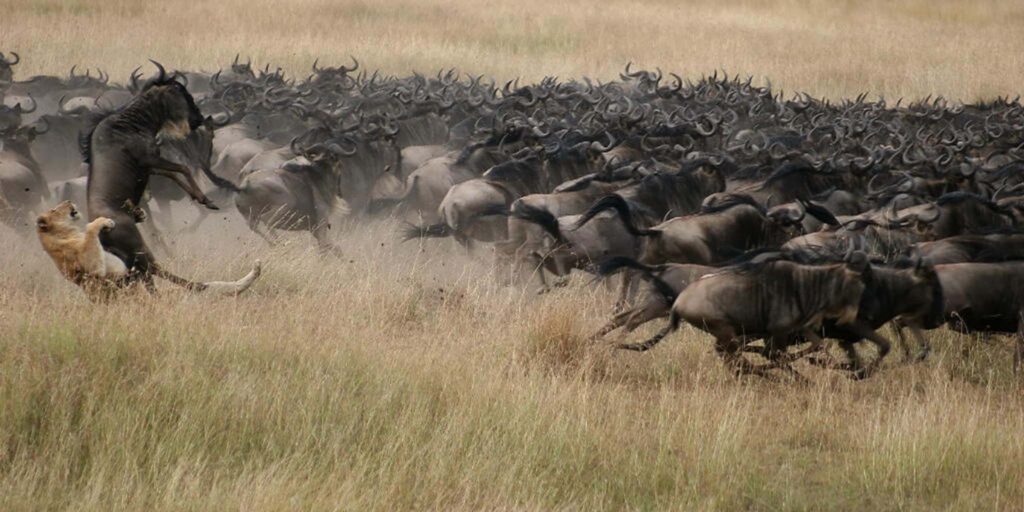
- You want classic savannah scenery and iconic big-cat sightings
- The Great Migration is at the top of your wishlist
- You want to see rhinos in the wild as part of a Big Five trip
- You prefer a well-established tourism network with many lodge and camp options
Choose Uganda for your self-drive safari if:
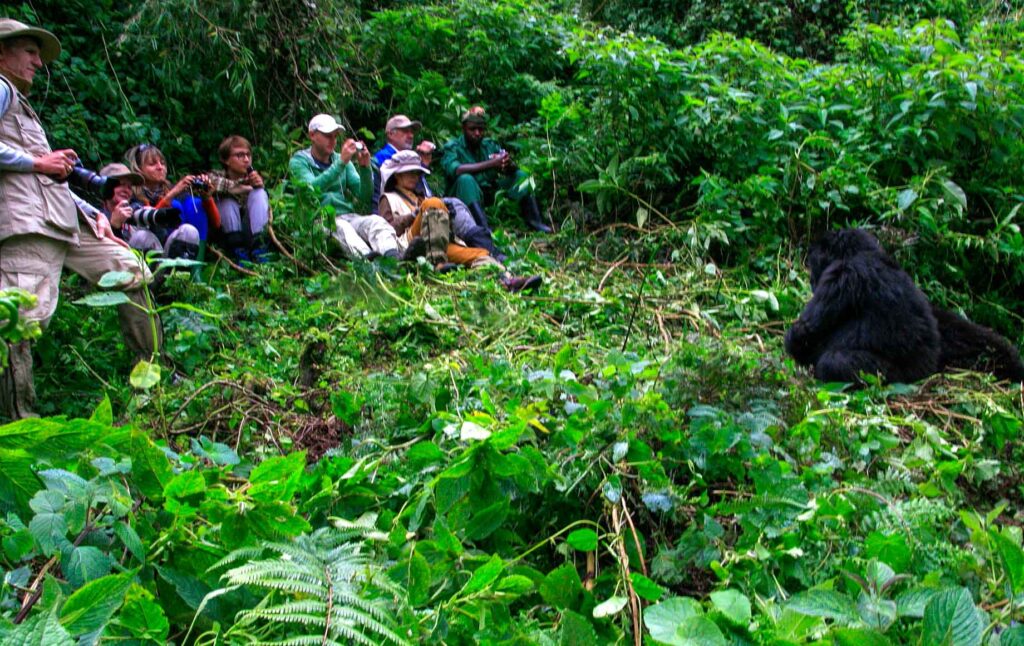
- You want to add gorilla or chimpanzee trekking to your trip
- You prefer quieter parks and less crowded sightings
- You enjoy adventure and are comfortable with rougher roads
- You want a varied journey that includes the Nile, crater lakes and rainforest
If you want the headline safari scenes, Kenya is a superb choice. If you want a journey that feels personal, wild and full of surprises, Uganda is hard to beat. Many travellers combine the two, and with careful planning, a cross-border East African trip is possible.
Tips for Planning Your Self-Drive Safari in Kenya
If Kenya has captured your imagination, these practical tips will help you prepare.
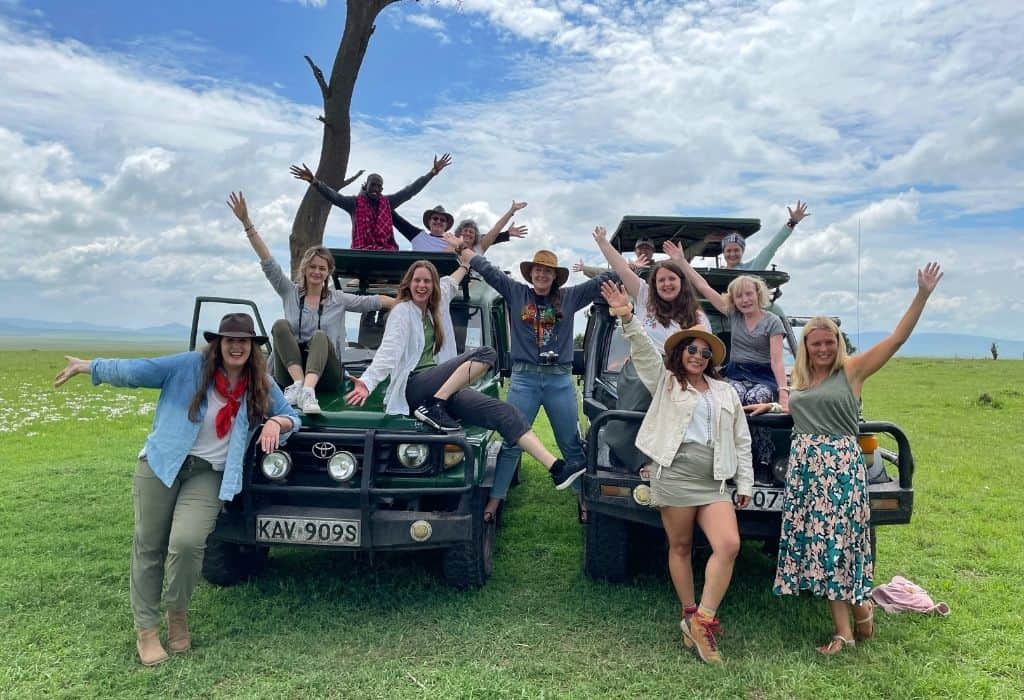
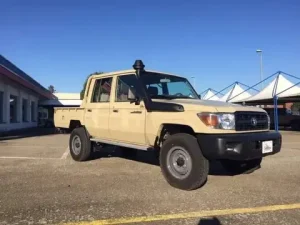
- Choose the right vehicle. A 4×4 such as a Toyota Land Cruiser or a high-clearance SUV is the safest choice for park roads, especially around the Maasai Mara, where mud and corrugated tracks are common during the rainy seasons (roughly March to May and November to December).
- Travel in the dry season if possible. June to October and January to February usually offer better game viewing and easier road conditions. Remember that the Great Migration in the Maasai Mara is generally strongest from around July to October.
- Book lodges, camps and conservancy stays early. Accommodation in and around the Maasai Mara fills up well in advance during migration season, and prices rise sharply in peak months.
- Carry essentials. Pack drinking water, snacks, a first-aid kit, a torch, a paper map, offline navigation and a power bank.
- Refuel often. Top up in larger towns such as Nairobi, Naivasha, Narok or Mombasa, since fuel inside parks is limited or unavailable.
- Avoid night driving. Unlit roads, heavy trucks, animals, pedestrians and motorcycles make it unsafe, and some areas have security considerations after dark.
- Respect wildlife and park rules. Keep to marked tracks, observe speed limits, stay in your vehicle where required and keep a safe distance from animals. Note that conservancies around the Mara often have stricter rules than the national reserve, including limits on off-road driving.
- Check insurance and documents. Understand what your rental covers, and carry your driving licence, passport and vehicle papers. An International Driving Permit is a helpful extra.
- Prepare for park payments. Many Kenyan parks use cashless or online payment systems for entry fees. Confirm the latest method and current fees before you travel, and keep your confirmation handy at the gate.
- Plan around Nairobi traffic. The capital’s congestion can add hours to your journey, so leave early and avoid peak times when heading to or from the city.
- Consider a hybrid option. If you are nervous about driving in unfamiliar terrain, particularly the Mara’s muddy tracks and river crossings, a rental with a professional driver-guide gives you the best of both worlds.
- Confirm cross-border rules early. If you plan to combine Kenya with Uganda, tell your rental company at booking, because cross-border permission and paperwork are usually required.
Why Rent from Rent A Driver Kenya ?
A great self-drive safari starts with the right vehicle and the right support. Rent A Driver Kenya understands the roads, the parks and the seasons, and we prepare every vehicle for the conditions you will actually face.
With our service, you can expect:
- Reliable, well-maintained 4x4s and safari-ready vehicles suited to Uganda’s park roads
- Flexible options, including self-drive rentals and rentals with an experienced driver-guide
- Airport pickup and drop-off so your trip starts without delay
- Local advice on routes, fuel stops, park conditions and the best time to travel
- Clear, transparent pricing with straightforward terms on insurance, mileage and deposits
- Support when you need it, so a small problem on the road never becomes a big one
Whether you are planning a first self-drive safari to Maasai Mara reserve, a trip through Amboseli and Tsavo with views of Kilimanjaro, or a longer East African adventure that combines Kenya and Uganda, our team can help you choose the right vehicle and plan the trip.
Final Thoughts
Kenya and Uganda both offer outstanding self-drive safari experiences, just in different ways. Kenya delivers the world-famous plains, big predators and the Great Migration. Uganda delivers adventure, variety, quiet landscapes and the unforgettable thrill of meeting gorillas and chimpanzees in the wild.
If you want the classic safari postcard, Kenya is a wonderful choice. If you want a journey that feels more personal and less crowded, with a mix of savannah, forest and river, Uganda is the better choice. And with the right vehicle and the right rental partner, it is far more accessible than many travellers expect.
Ready to start planning? Contact us today to reserve your safari vehicle and begin your Kenya Uganda adventure.
Frequently Asked Questions
Is a self-drive safari possible in both Uganda and Kenya?
Yes. Visitors drive themselves in parks in both countries. A 4×4 is strongly recommended in each, and some conservancies and areas have their own rules, so check before you go.
Which is cheaper for a self-drive safari, Uganda or Kenya?
Uganda is often better value for lodging, food and fuel, while Kenya can be pricier in peak areas like the Maasai Mara. Uganda’s gorilla permits are expensive, so your itinerary will affect the final cost.
Do I need a 4×4 for a self-drive safari?
For most parks in both countries, yes. Main highways are mostly paved, but park tracks can be rough, dusty or muddy, especially in the rainy seasons.
Can I see the Big Five in Uganda or Kenya?
Kenya offers the best chance of the Big Five in the wild. In Uganda, lions, leopards, elephants and buffalo are found in several parks, while rhinos are seen at the Ziwa Rhino Sanctuary.
When is the best time for a self-drive safari in Uganda and Kenya?
The dry seasons, roughly June to September and December to February, usually offer the best wildlife viewing and easier driving. The Great Migration in Kenya’s Maasai Mara is generally strongest from around July to October.
Can I drive a rental car from Uganda to Kenya?
Often yes, but only with prior permission and the correct paperwork. Tell your rental company in advance if you plan to cross the border.