Samburu Safari by Road: Best Cars, Routes & Tips
#image_title
Samburu National Reserve is one of Kenya’s most rewarding safari destinations, and yet it remains far less crowded than the Maasai Mara or Amboseli. Tucked into the arid north beyond Mount Kenya, Samburu rewards travelers with unique wildlife found almost nowhere else in the country, dramatic desert-meets-river scenery, and a road trip that is every bit as memorable as the destination itself. If you’re planning to self-drive or hire a driver for a Samburu road safari, here’s everything you need to know about routes, vehicles, and practical travel tips.
Why Drive to Samburu Instead of Flying?
Many travelers default to flying into Samburu’s small airstrips, but driving has real advantages. The overland route takes you past Mount Kenya’s snow-capped peaks, through the fertile highlands of Nyeri and Karatina, and across the equator before the landscape shifts dramatically into the dry, rugged terrain of Samburu County. It’s a journey that showcases Kenya’s remarkable geographic diversity in a single day, and it gives you the flexibility to stop for photos, coffee, or a curio shop along the way — something you simply can’t do from a plane window.
Driving also gives you full control over your itinerary once you arrive, letting you extend game drives, detour to nearby community conservancies, or combine Samburu with other northern circuit stops like Meru National Park.
The Route: Nairobi to Samburu
The classic overland route from Nairobi to Samburu National Reserve covers approximately 310–350 km and takes roughly 6–7 hours, depending on traffic out of Nairobi and stops along the way.
Typical route:
- Nairobi to Thika — Depart via Thika Superhighway, one of Kenya’s best-maintained roads, heading north out of the city.
- Thika to Nyeri/Karatina — The road winds through lush tea, coffee, and sisal plantations in the central highlands, with Mount Kenya often visible on clear mornings.
- Nyeri to Nanyuki — Nanyuki sits directly on the equator and at the base of Mount Kenya. Most drivers stop here for a coffee break, fuel top-up, or the popular equator photo stop.
- Nanyuki to Isiolo — This stretch marks the transition from Kenya’s green highlands into drier, semi-arid country. Isiolo is the last major town before the reserve and a good final stop for supplies.
- Isiolo to Archer’s Gate/Samburu Gate — The final leg brings you into Samburu National Reserve itself, typically arriving in time for lunch and an afternoon game drive.
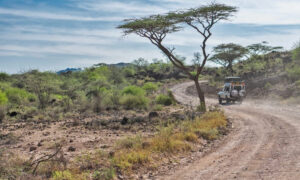
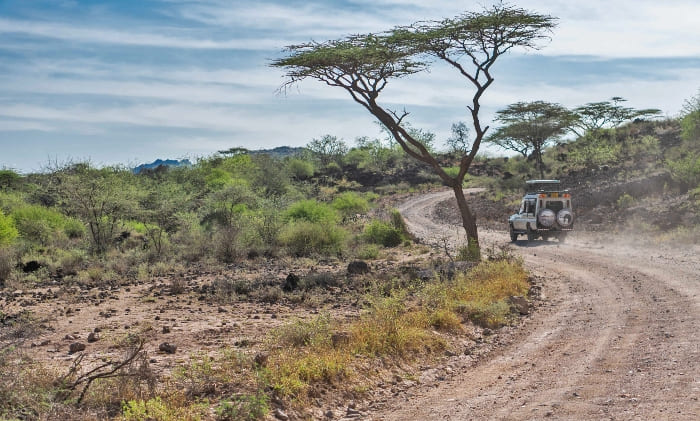
The road is tarmacked for the vast majority of the journey, making it accessible for most vehicle types, though the last stretch approaching the park gates can include rougher, unpaved sections — particularly during the rainy seasons of April–May and November.
Best Cars for a Samburu Road Safari
Choosing the right vehicle matters more for a Samburu trip than for many other Kenyan safari routes, because you’ll be driving long distances on tarmac and then navigating rougher terrain once inside the reserve.
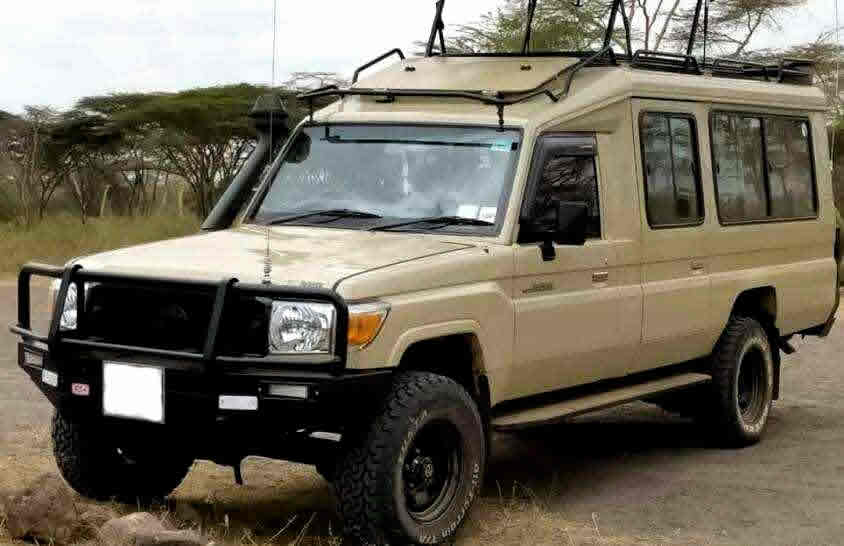
4×4 Safari Land Cruiser (Pop-Up Roof)
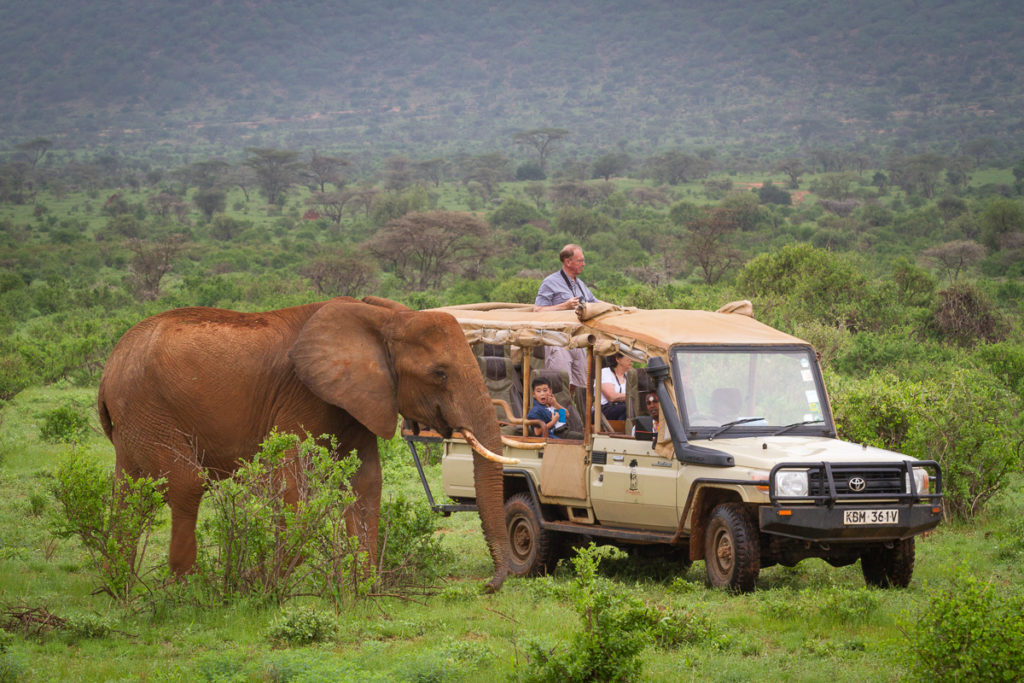
This is the gold standard for Samburu. A 4×4 Land Cruiser with a pop-up roof handles both the highway stretch comfortably and the reserve’s sandier, sometimes rutted game-drive tracks with ease. The pop-up roof is essential for photography and unobstructed wildlife viewing, especially along the Ewaso Nyiro River where much of Samburu’s game concentrates.
4×4 Safari Minivan (Pop-Up Roof)
A more budget-friendly alternative to the Land Cruiser, safari minivans with pop-up roofs are a popular choice for small groups and families. They’re comfortable for the highway drive and manageable inside the park, though they have less ground clearance than a Land Cruiser, which can matter during the rains.
Standard 4×4 SUV
For self-drivers who want more independence, a rugged SUV such as a Toyota Prado or similar is a solid option. Look for a vehicle with high clearance and good tires, since some in-park tracks can be sandy or rocky depending on the season.
What to Avoid
Standard sedans or low-clearance 2WD vehicles are not recommended for the in-park game drives, even though the highway portion of the trip is fully tarmacked. If you’re renting a car in Nairobi specifically for this trip, confirm with your rental company that the vehicle is rated for off-road or reserve use — many self-drive rentals restrict where their cars can legally go.
Self-Drive vs. Hiring a Driver
Samburu is manageable for confident self-drivers, especially since most of the route to the reserve is on well-maintained tarmac. However, hiring a professional driver-guide has clear advantages:
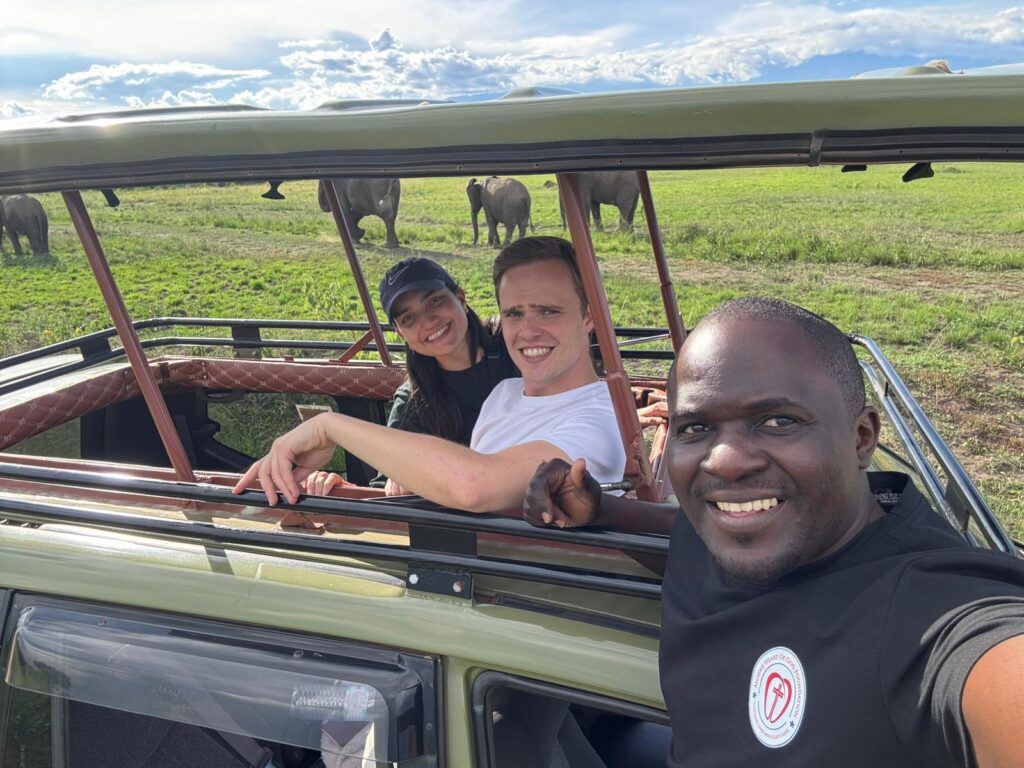
- Local knowledge: Drivers familiar with Samburu know where predators and rare species like the Grevy’s zebra and gerenuk are most likely to be spotted.
- Vehicle recovery: In-park tracks can be sandy or slippery after rain, and an experienced driver knows how to navigate them safely.
- More time enjoying the safari: You can focus on wildlife and photography instead of navigation and road conditions.
- Radio network access: Professional guides typically communicate with other drivers via radio to share sightings, which significantly improves your chances of seeing big cats.
What Makes Samburu Worth the Drive
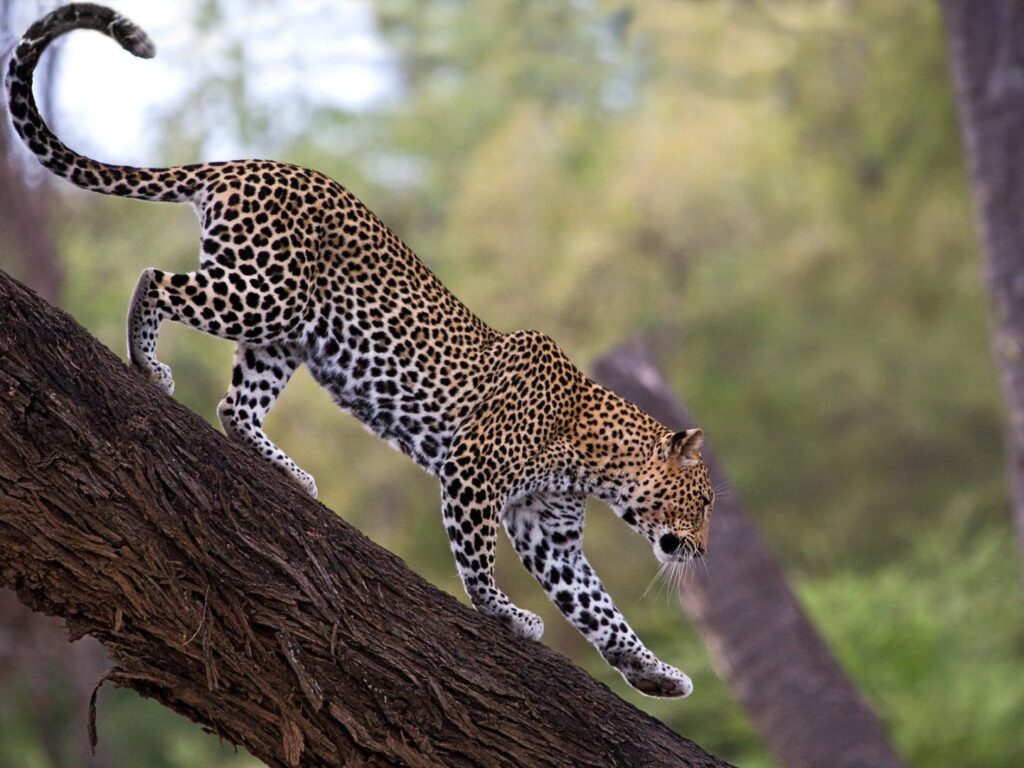
Samburu National Reserve is famous for what safari guides call the “Samburu Special Five” — species rarely seen elsewhere in Kenya, including the Grevy’s zebra, reticulated giraffe, gerenuk, Beisa oryx, and Somali ostrich. The reserve’s game drives are concentrated along the Ewaso Nyiro River, where elephants, lions, leopards, and buffalo gather, particularly during the dry season when water is scarce elsewhere.
Best Time to Visit
The best time to visit Samburu is generally June to September and January to February, when wildlife congregates near the river and roads are in their best condition. December through March and July through October tend to be the busiest months, so early morning game drives are recommended if you want quieter sightings.
Practical Travel Tips
- Start early: Leaving Nairobi by 7–8 a.m. gives you enough daylight to enjoy an afternoon game drive on arrival day.
- Fuel up in Nanyuki or Isiolo: These are your last reliable fuel stops before entering the reserve.
- Carry cash: Smaller towns along the route and some park-adjacent vendors may not accept cards.
- Pack for temperature swings: Mornings in the highlands can be cool, while Samburu itself is hot and dry — dress in layers.
- Bring a good camera and binoculars: The open, semi-arid terrain makes for excellent long-distance wildlife spotting.
- Check road conditions seasonally: During the rains, the final stretch into the reserve can become muddy, so a 4×4 is strongly advised over those months.
Final Thoughts
A Samburu road safari is as much about the journey as the destination. With the right vehicle — ideally a 4×4 with a pop-up roof — and a well-planned route through Nanyuki and Isiolo, the drive north from Nairobi becomes a scenic adventure in its own right, setting the stage for an unforgettable few days among Samburu’s rare and remarkable wildlife.
To book a 4×4 and driver for Samburu safari adventure – simply contact us now by sending an email to info@rentadriverkenya.com or call us now on +256-700135510